In less than a week, whatever was left of the mutual trust between Israelis and Palestinians appeared to come tumbling down.
Except for the loss of life, this loss of trust is among the greatest casualties of the past week of bloody rioting.
And when a Palestinian police officer opened fire on his Israeli colleagues in a joint border patrol last week, one of the most important symbols of that trust was also shattered.
The Israeli daily Ha’aretz reported that last Friday morning, a few hours before the deadly riots began, a Palestinian Authority police officer shot and killed Israeli border guard Yossi Tabjeh, 27.
As a result, the joint Palestinian-Israeli patrols, long seen as a symbol of Israeli-Palestinian cooperation, no longer function.
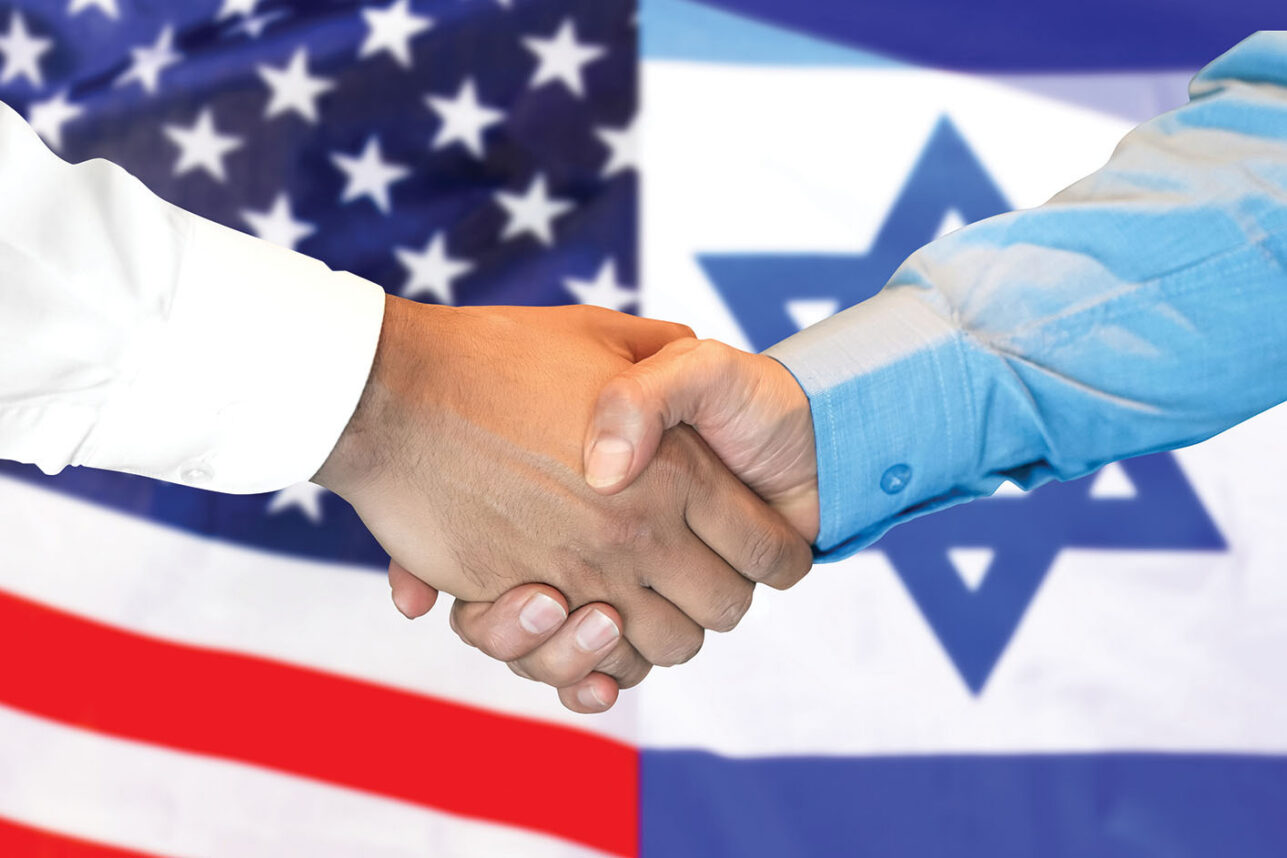
And when senior Israeli and Palestinian commanders met in the Gaza Strip on Tuesday to try to work out a cease-fire agreement, they had reached a certain understanding but continued to regard each other with suspicion.
Only a few hours after the two sides shook hands, the Palestinians accused the Israelis of not keeping their word and retracted their promises to end the trouble.
In Israel proper, Arab policemen serving in northern Israeli police units surprised their Jewish partners, saying they could not confront Arab demonstrators and preferred to stay at their bases while the violence was going on.
“We had contingency plans for a situation in which local residents would close off major traffic arteries in the Galilee,” said one senior police officer. “But we did not take into account that Arab policemen would not dare face violent Arab demonstrations.”
“Fifty years of trust went down the drain in two days of violence,” said Erez Kreisler, the mayor of the council of the Misgav region, which borders a number of Arab villages in northern Israel.
Although hundreds of Arab youths took to the streets in the worst violence since 1948, hundreds of thousands remained at home, waiting for the trouble to end.
Most Israeli Arabs, although supportive of the Palestinian cause, had no interest in severing ties to the Jewish state, which they have made their home.
As for the Palestinian Authority and its police forces, this was not the first time the trust was shattered.It began with disturbances at an archaeological tunnel in Jerusalem in 1996, when Palestinian police officers opened fire on Israeli officers, and it has deteriorated ever since.
But the incident with the joint patrols is sure to do serious damage, raising serious questions whether Israelis and Palestinians can share security arrangements in the future.
“They don’t like the joint patrols,” Lt. Roi Nahmias said of the Palestinians.
That was evident in this week’s riots.
They were instigated, to a large extent, by the Tanzim, a local body of Fatah, which is the military wing of the Palestine Liberation Organization.
The Tanzim represent the younger guard of the Fatah. Its members aspire to operate independently but in practice would not dare to act contrary to the specific instructions of Palestinian Authority President Yasser Arafat.
Thus, the Israelis found themselves in a situation more complex than in the past: They were facing Arafat, whom they did not trust, and they were facing the Tanzim, whom Arafat could not trust completely.
Israeli Prime Minister Ehud Barak complained Tuesday that on one hand Arafat was sending the Tanzim to confront the Israelis in the streets, but on the other hand he was sending the head of his West Bank security service to try and work out a deal with Israel.
It was hoped that following the meeting, spirits might cool down. But there is little doubt that the breach of trust will take a long time to repair.