
fbpx

Rosner’s Torah Talk: Parshat Matot-Masei with Rabbi Dan Moskovitz

[additional-authors]
August 1, 2019

Rabbi Dan Moskovitz is the Senior Rabbi of Temple Sholom in Vancouver BC. An American now living in Canada since 2013. He is the chair of Reform Rabbis of Canada. Rabbi Moskovitz is the author of The Men’s Seder – an experiential Haggadah published by the Men of Reform Judaism Press The unique Haggadah that grapples with the role of men in our society today and the pressures that enslave them. He is currently writing a second edition. He is a frequently sought after voice by the media on issues of refugees, anti-semitism and Jewish values. He will be one of five authors of the URJ Reform Voices of Torah – weekly Torah commentary in the New Year.

This Week’s Torah portion – Parashat Matot-Masei (Numbers 30:2-36:13) – begins with Moses presenting the heads of the tribes with rules concerning the annulment of vows. War is waged against Midian and the Torah lists the different spoils Israel took hold of in their victory and describes how they are distributed. The tribes of Gad, Reuben and half of Menashe ask Moses for the territory East of the Jordan as their portion of the promised land, and Moses eventually agrees on the condition that they first help conquering the part West of the Jordan. The boundaries of the Promised Land are stated, and cities of refuge are designated as havens for people who commit inadvertent murder. The portion ends with the story of the daughters of Tzelafchad marrying men of their own tribe (Menashe) in order to keep the estate which they inherited from their father within their own tribe.
Previous Torah Talks on Matot-Masei
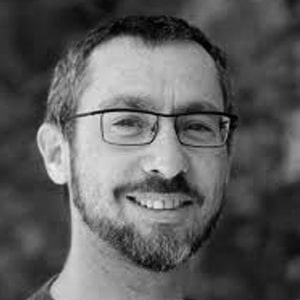
Rabbi Uri Regev

Did you enjoy this article?
You'll love our roundtable.

Editor's Picks

Latest Articles

Post-Passover Pasta and Pizza

What carbs do you miss the most during Passover? Do you go for the sweet stuff, like cookies and cakes, or heartier items like breads and pasta?

Freedom, This Year

There is something deeply cyclical about Judaism and our holidays. We return to the same story—the same words, the same questions—but we are not the same people telling it. And that changes everything.

A Diary Amidst Division and the Fight for Freedom

Emma’s diary represents testimony of an America, and an American Jewish community, torn asunder during America’s strenuous effort to manifest its founding ideal of the equality of all people who were created in the image of God.

More than Names

On Yom HaShoah, we speak of six million who were murdered. But I also remember the nine million who lived. Nine million Jews who got up every morning, took their children to school, and strove every day to survive, because they believed in life.

Gratitude

Gratitude is greatly emphasized in much of Jewish observance, from blessings before and after meals, the celebration of holidays such as Passover, a festival that celebrates liberation from slavery, and in the psalms.

Freedom’s Unfinished Journey

The seder table itself is a model of radical welcome: we are told explicitly to invite the stranger, to make room for those who ask questions and for those who do not yet know how to ask.

Thoughts on Security

For students at Jewish schools, armed guards, security gates, and ID checks are now woven into the rhythm of daily life.

More news and opinions than at a Shabbat dinner, right in your inbox.