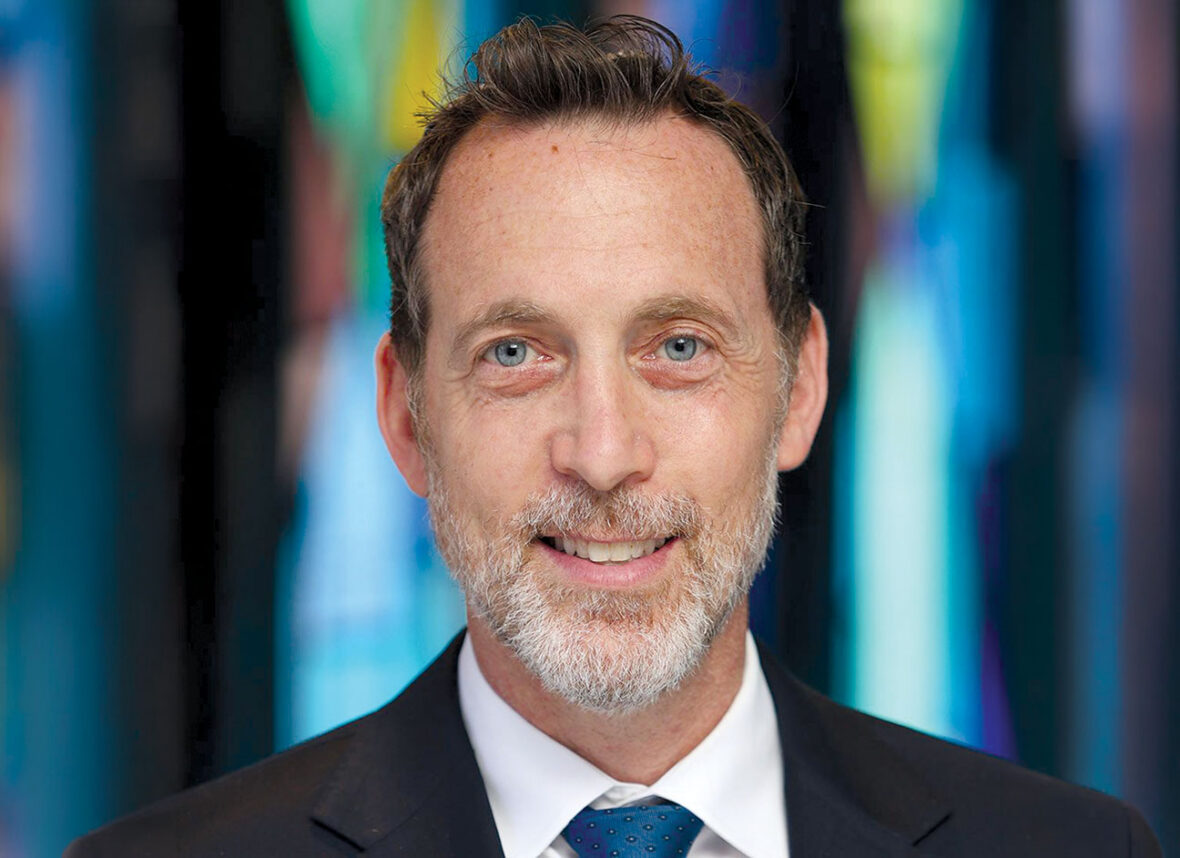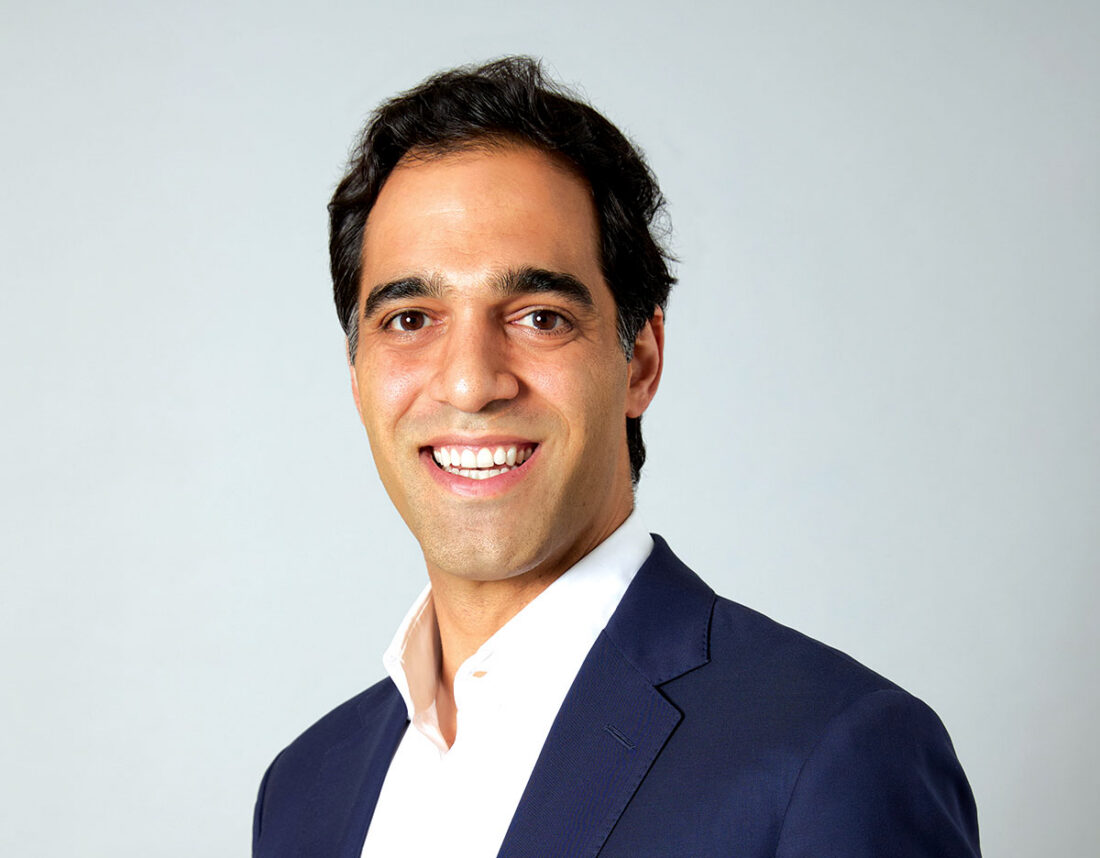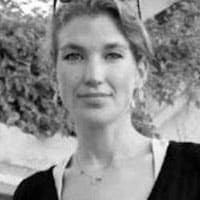
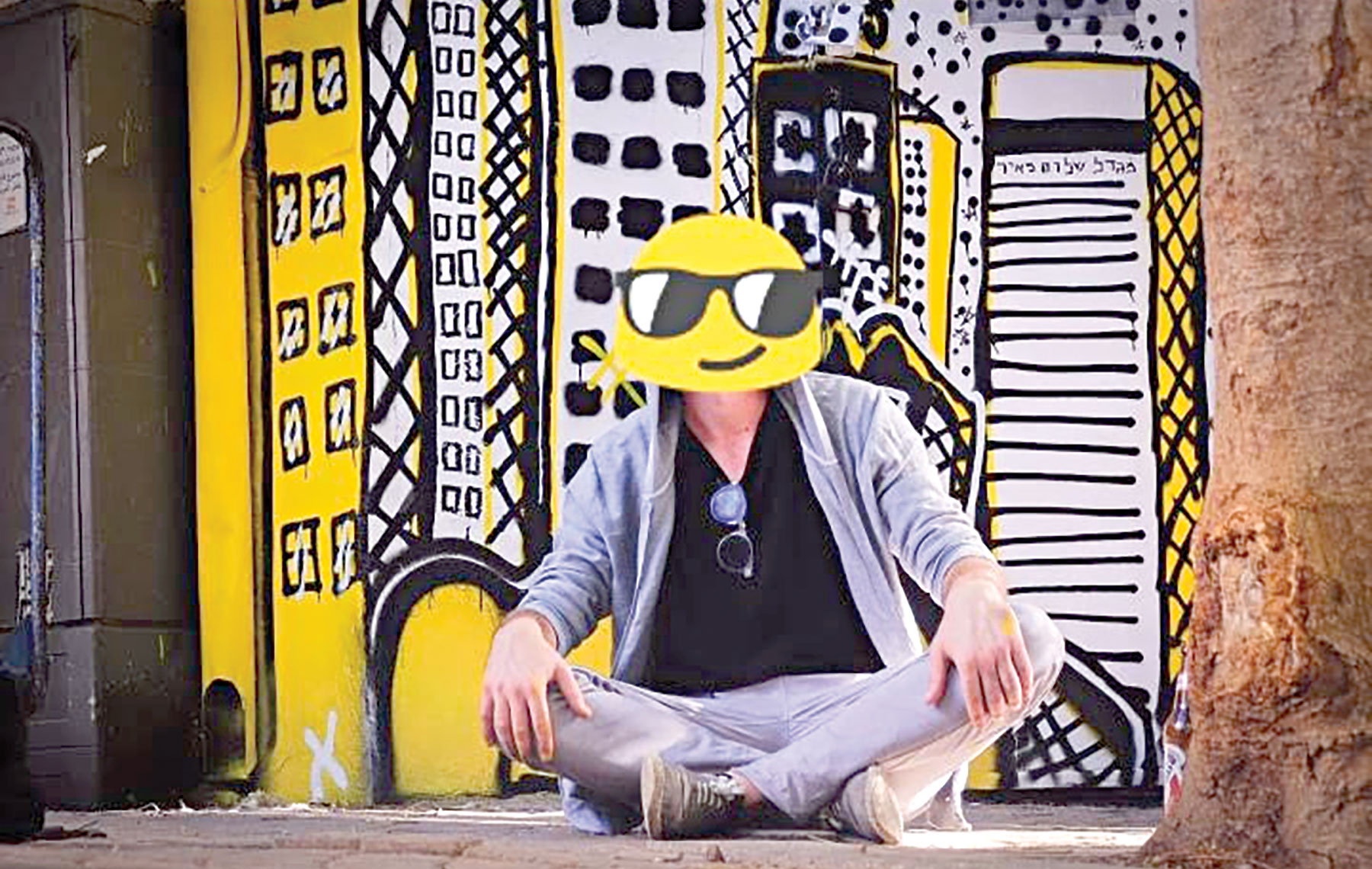
Ari Marrache is the type of person to whom a casual “how are you?” warrants an excessively jubilant response. “I’m amazing, living the life!” was his answer today. But that wasn’t always the case. For years, the 32-year-old struggled to find his place in the world. The person Marrache presents to the world today, a bisexual artist with the street name Alef, is a far cry from the young Orthodox boy who was riddled with self-doubt.
For Marrache, Alef is a “superhero,” someone with “something to say and who allowed me to finally be the person I always wanted.” Like the British artist Banksy, Alef never allows himself to be pictured in relation to his work.
Born and raised in Gibraltar, Marrache’s family moved to Israel when he was 9, where they lived in Orthodox neighborhoods in and around Jerusalem. When he was 18, Marrache moved to London to study fine art at the prestigious Central Saint Martins University of the Arts. But a year later, seeing no future in the arts and no way to make money, he transferred to law school. But he lasted only two years in law school. He spent the following five years in Madrid, working a variety of jobs.
In 2013, Marrache returned to Israel and began to work with his father, an art collector and dealer. He built a name for himself as an art consultant and curator, curating exhibitions for young, unknown artists. “I lost money but gained experience,” he said, laughing.
For Ari Marrache, Alef is a “superhero,” someone with “something to say and who allowed me to finally be the person I always wanted.”
Marrache realized that he, too, wanted to present his works to the world. He enlisted the help of someone close to him to choose which works to display for his first exhibition. Marrache selected a piece but was told by that person to leave it out because it was “crap and childish.”
Marrache ignored the advice and he ended up selling the piece. “I saw it as a sign from the universe,” he said. “That act of self-love, of believing in myself, was a miracle.”
A strong believer in karma, Marrache invested most of the money he made from his first sale into buying the work of another emerging artist. Three months ago, Marrache left his job as a gallery manager to concentrate on his painting.
Since that first exhibition, he has sold 100 Alef original works to collectors in New York, London, Paris, Berlin, Athens and Tel Aviv. Their motifs are recurrent: urban landscapes with buildings and TV antennas jostling one another.
Cranes are present in almost all of his works as they are in Tel Aviv’s cityscape. “They symbolize the victory of the Jewish people returning home and building it,” Marrache explained.
Like many street artists, Alef has an unquenchable thirst to brand himself on the city itself. He might, for example, transform a dilapidated electric box into a piece of art. He laughs as he compares it to an alpha-male spreading his seed. “I’ve always been this gentle guy and yet know I’ve unleashed this thing and I can’t stop it. It’s a train that’s going a million miles an hour and if I get off, I die.”