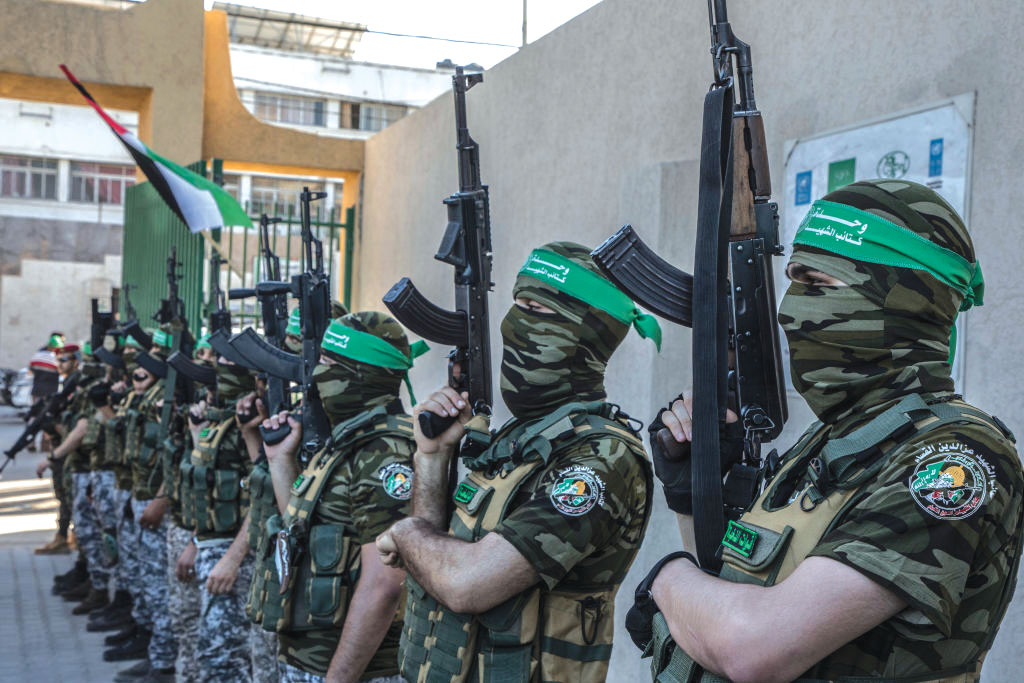
Israel and Hamas share common interests, and the Palestinian Islamists must stay in power in the Gaza Strip to prevent the enclave descending into chaos, an Israeli general was quoted as saying on Tuesday.
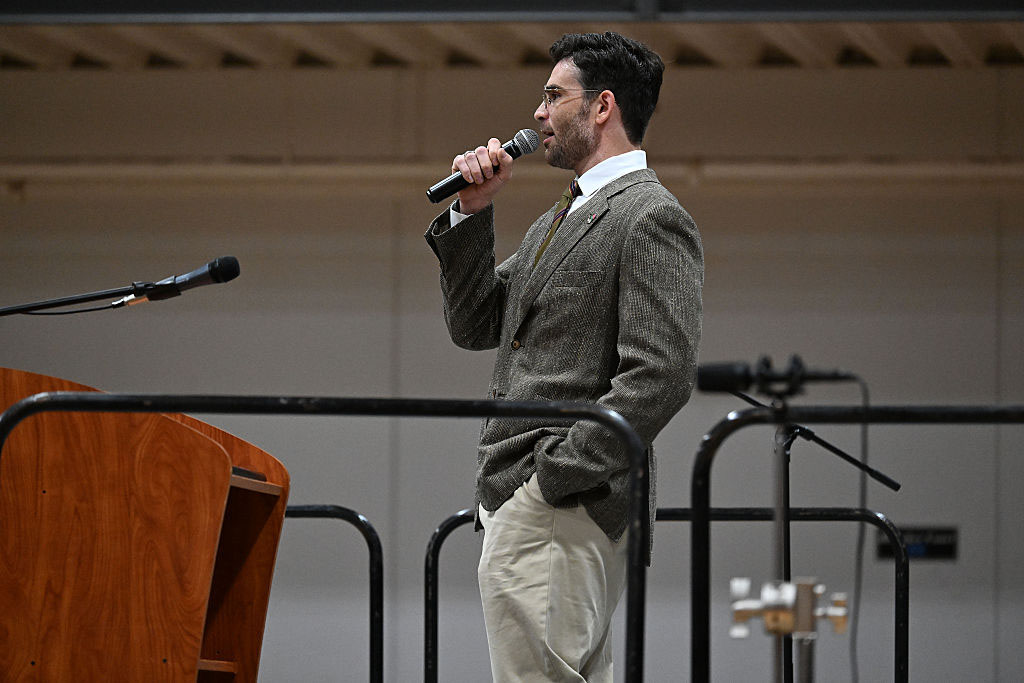
Major-General Sami Turgeman, who as commander of Israel's forces outside Gaza had a leading role in last year's war with Hamas, cast the group in a pragmatic light in remarks reported in the top-selling Israeli newspaper Yedioth Ahronoth.
By doing so, he appeared to take a softer public line toward Hamas than Prime Minister Benjamin Netanyahu, who has likened the movement to Islamic State insurgents sweeping Syria, Iraq and elsewhere in the region.
Speaking to the heads of Israeli villages on the Gaza periphery on Monday, Turgeman said Hamas seeks stability and “does not want global jihad” — a term Israel uses to describe Islamic State, al Qaeda and their off-shoots.
“Israel and Hamas have shared interests, including in the current situation, which is quiet and calm and growth and prosperity,” said the general.
With neither side apparently interested in renewed conflict for now, an Egyptian-brokered ceasefire that halted fighting in the 50-day conflict last July and August has largely held.
“There is no substitute for Hamas as sovereign in the Strip. The substitute is the IDF (Israel Defence Forces) and chaotic rule … and then the security situation would be much more problematic,” Turgeman said.
An Israeli military spokesman did not contest the accuracy of the quotes. Netanyahu's office had no immediate comment.
Without responding directly to Turgeman's remarks, Hamas spokesman Sami Abu Zuhri said the onus was on Israel to shore up the relative peace by easing its Gaza blockade and helping reconstruction.
“The ball is in the Israeli court,” he said. “Hamas is willing to maintain the ceasefire because it is in the interest of our people in Gaza.”
Turgeman predicted a continued build-up of Hamas's armed capabilities and renewed Gaza fighting “every few years”.
“The alternative is to try to find periods of quiet, as much as possible,” Turgeman said, arguing against rightist proposals that Israel, which withdrew from Gaza in 2005, retake the territory.
Hamas, which took power in Gaza in a brief civil war in 2007, preaches Israel's destruction and has fought three wars against it.
But Hamas has also voiced interest in a long-term truce with Israel and occasionally clamped down on al Qaeda-aligned armed groups.