Israeli Prime Minister Benjamin Netanyahu is trying to keep his fractious coalition together as talk of early elections grows, but in trying to bolster himself domestically he runs the risk of further alienating international partners.
To satisfy restive far-right parties in his government, Netanyahu has promised more settlement on land the Palestinians seek for an independent state, greatly aggravating the United States and the European Union.
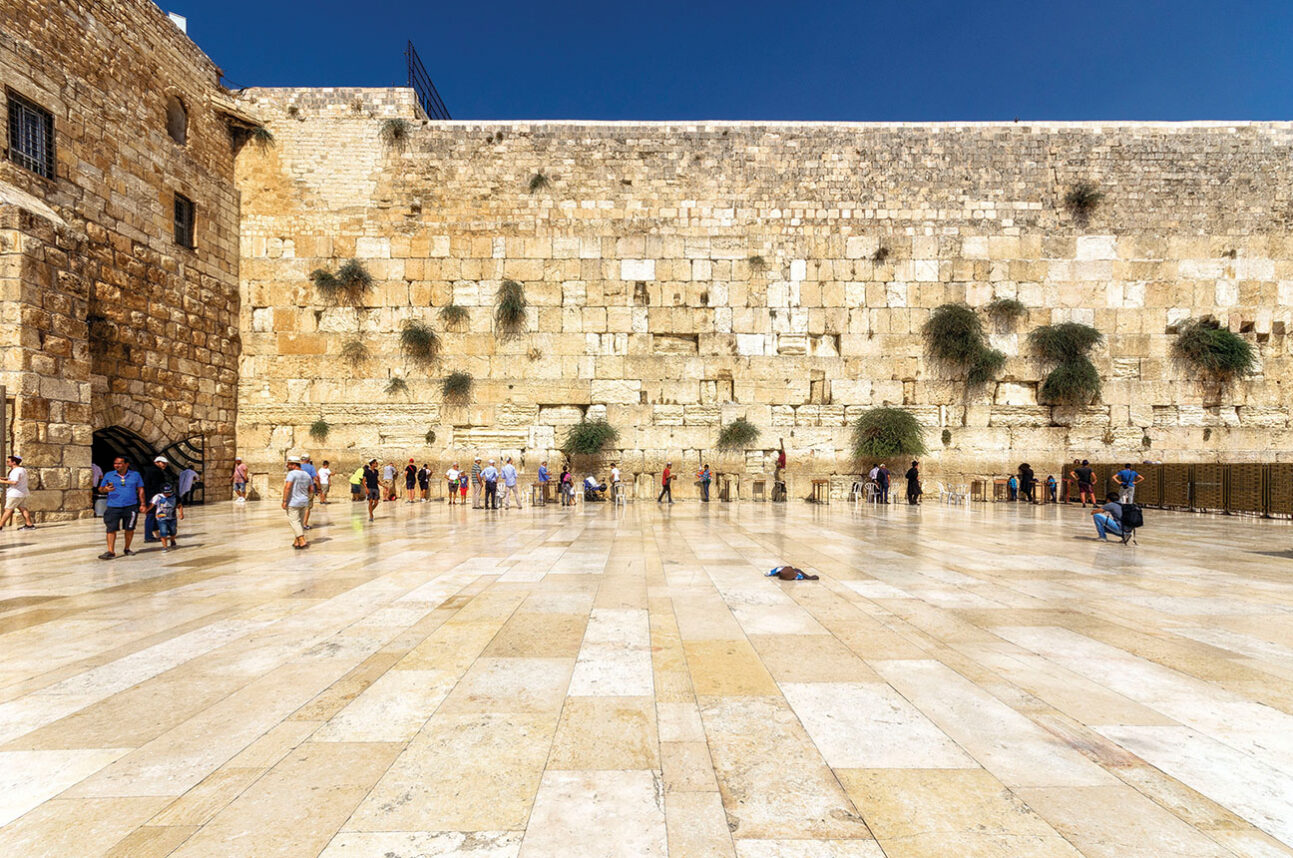
And in an effort to keep ultra-nationalists sweet, he has not denounced their calls for Jewish prayer at Jerusalem's holiest site, although he has said a decades-long ban on such prayer will not be changed.
That cautious approach has harmed Israel's ties with Jordan, which oversees the Temple Mount, prompting Amman to withdraw its ambassador for the first time since a 1994 peace treaty.
It has also fueled the worst violence Jerusalem has seen in a decade, with daily rioting in the mainly Arab east of the city and talk of a new Palestinian uprising.
“From the outside, it's hard to understand why he's doing what he's doing,” says one European ambassador, expressing frustration at what he regards as Netanyahu's stubbornness.
“At the end of the day it's electoral. He's all about staying in power and that's what he's banking on.”
Elections are not formally due until 2017. But because of increased friction within the coalition and ructions inside Netanyahu's own Likud party, the smart betting now is that a vote will be called early, probably in around six months' time.
That suggests the next half year could be a tumultuous period, with Netanyahu trying to keep his ever more demanding coalition partners onside, even if that means throwing them bones that alarm the Palestinians and international allies.
The question is whether Netanyahu, Israel's longest-serving prime minister since the first, David Ben-Gurion, can keep a handle on the growing unease his policy approach appears to be causing, or whether events might spiral out of control.
With Sweden having last month become the first major Western country to recognize Palestine as an independent state, any miscalculation could provide other European countries with justifications to follow Sweden's lead.
And all the while, the Israeli prime minister is having to deal with a deepening security crisis as violence grows.
On Monday, an Israeli soldier was stabbed and critically wounded by a Palestinian man in Tel Aviv, expanding the reach of the recent violence, which had so far largely been confined to Jerusalem, where four people have been killed.
The killing of an Arab-Israeli by Israeli police has further complicated the picture, with the risk that the 20 percent Arab minority may join Palestinians in the West Bank, Gaza and East Jerusalem in a more generalized uprising against Israel, even if that possibility remains remote.
And underpinning everything is the lack of any peace talks with the Palestinians. The last round broke off in April after months of largely fruitless sessions.
Since then, relations between Netanyahu and Palestinian Authority President Mahmoud Abbas have worsened markedly, with the Israeli leader accusing Abbas of inciting the recent violence with a call to Muslims to defend the Noble Sanctuary “by all means.”
It was only a few months ago that Netanyahu talked of a “new horizon” in the Middle East, saying the threat from Islamic State meant that countries like Saudi Arabia, Jordan and Egypt shared an interest with Israel in defeating Islamist extremism.
Now, however, with Jordan having withdrawn its ambassador and Egypt on edge about developments at the Noble Sanctuary, which contains al-Aqsa mosque and the Dome of the Rock, that new horizon is starting to look distant and cloudy.
Writing by Luke Baker; Editing by Jeffrey Heller and Sophie Walker