Jerusalem’s First Station may be more than 120 years old, but its smart new look, trendy shops and daily events have transformed it from an abandoned skeleton of a railway station into a place where young — and young-at-heart — locals as well as tourists, come to decompress.
The First Station (HaTachana in Hebrew) and its wide plaza, once the city’s hub for rail traffic from all over the country and, until recently, just another example of urban neglect, have been refurbished and expanded. Now they’re one of the city’s newest attractions.
The building’s period architecture featuring Jerusalem stone and graceful curves has been carefully preserved, and so has a section of the station’s original railroad tracks. Following a campaign by local residents, another, much longer section of the tracks was recently turned into an ultra-popular walking/bicycle trail that originates at the Station.
The refurbished venue, where train service ended in 1998, is full of nostalgia for older Israelis, some of whom once traveled from the Station to points north and even Damascus.
“That used to be where we would buy tickets,” said Jerusalem-born Shlomo Levi, 59, pointing to the modern visitors center on the newly refinished wooden platform.
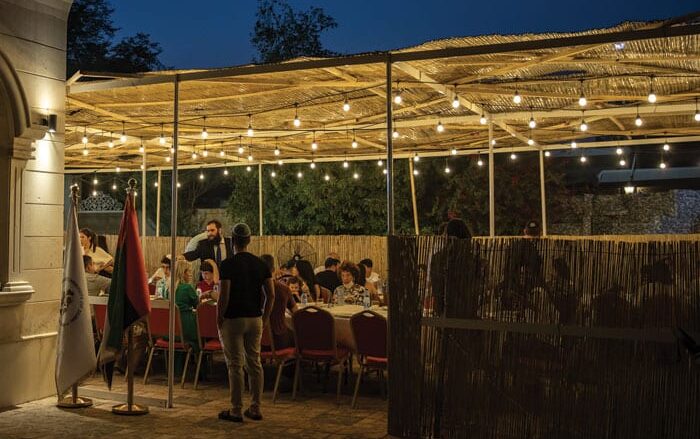
Visiting Jerusalem from Finland, where he now makes his home, Levi gazed at customers enjoying a late-night meal.
“There were benches there that I’d sit on with my parents and wait for the train to take us to Nahsholim, all the way up the coast just below Zichron Yaakov,” Levi said, referring to two beaches up north. “Look how busy it is.”
The Station is located at the corner of Rehov David Remez, just across the street from the Liberty Bell Park (another great place to bring the kids). It’s close to the city’s major hotels, restaurants and theaters and just a 20-minute walk to the Old City. Parking is available at the First Station parking lot and the Liberty Bell Park parking lot.
Visitors can stroll into one of the boutique shops and restaurants, view the multimedia exhibitions and art installations or buy items at more than two dozen quaint stands selling Israeli-made crafts and ceramics, kids’ clothes, gifts, jewelry, books and fabrics. It’s especially crowded on Thursdays and Fridays, when visitors come to buy fresh produce, baked goods and wines directly from the growers and manufacturers.
“I like the open atmosphere here,” said Laurie Goldberg from St. Louis, on her third visit to the Station in a month during an extended vacation. “I especially loved coming here on Friday, to the musical Kabbalat Shabbat. It was beautiful,” she said of the lively musical performance that, in the summer, takes place a couple of hours before candlelighting,
Goldberg, who lived in Jerusalem until two-and-a-half years ago, said she appreciated seeing Jews and Arabs, religious and secular, all enjoying themselves.
“There are people from so many different walks of life. The atmosphere is nonjudgmental, and that’s something you don’t find everywhere in Jerusalem.”
The Station project is just one example of efforts by Jerusalem officials to create a more progressive, post-intifada Jerusalem. Other examples include the Mamilla shopping promenade, which transformed the abandoned buildings alongside the Old City into an upscale, open-air mall, and the forthcoming Cinema City, a 15-screen cinema complex that is under construction across from the Supreme Court.
The Station’s management has made a great deal of effort to provide a street-fair environment seven days a week, with special events scheduled each month. In June, it played host to the city’s first international Formula 1 road show, and the following month featured a model train display for train enthusiasts.
The Station offers a number of restaurants and cafés as well, including Italian-Mediterranean-style Landwer Café, open seven days a week, and Kitchen Station, a kosher dairy restaurant closed on Shabbat and holidays. Vaniglia sells ice cream while re:bar offers a wide variety of healthy drinks, shakes and yogurts.
One store that is always packed is Gaya, where young and old can test their mental dexterity against one of the store’s dozens of wooden puzzles (or buy one and take it home).
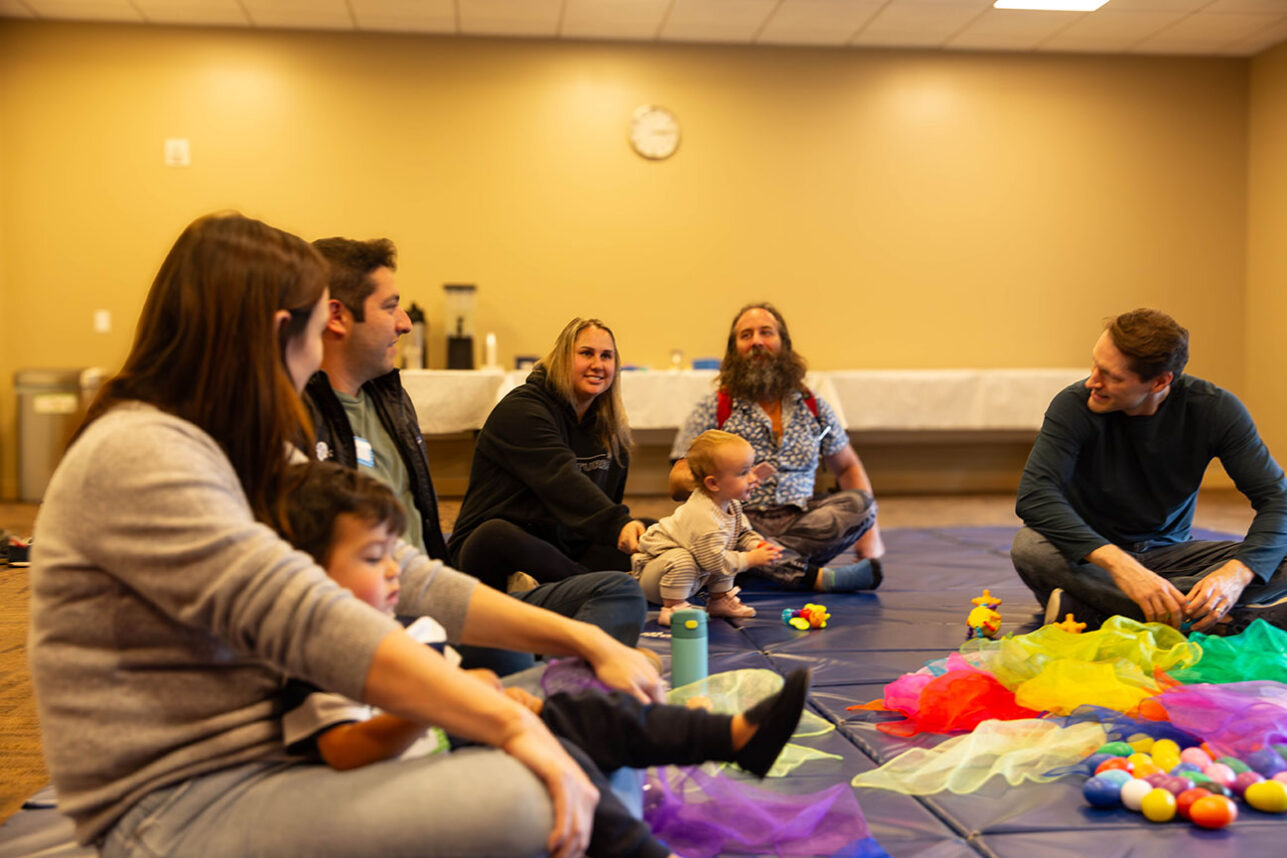
There are many free events, including yoga classes, concerts and the child-friendly Kid Space, where kids can blow huge soap bubbles, play with wooden trains and oversized blocks or just run around and have fun.
Once you’ve experienced the Station, cycle or stroll down the well-lit, well-paved rail trail that winds through the German Colony, Baka and Beit Safafa and links Jerusalem’s original railway station to the city’s sports center at Teddy Stadium, the Jerusalem intercity rail station and the Malcha shopping mall.
No bike? No problem. You can always rent one from Smart Tour at the visitors center, which offers regular, tandem or electronic bikes — helmet included. Or you can rent a Segway if that’s your speed.
Marilyn Behar, who was visiting the Station for the second time, said her two toddlers love the sense of freedom.
“The kids can be free to run around here because there are no cars,” she noted.
But it isn’t just the safe space that brought her back. She and her husband, both secular Jerusalemites, said there aren’t enough places in Jerusalem that are open on Shabbat.
“We want Jerusalem to keep its traditional identity, but we also want the city to promote equality,” she said.
For Goldberg, the Station is one example of how Jerusalem is much more alive than when she lived there.
“There are more things to do now,” she said. “It’s a more interesting place to live.”