The transgender rights movement has become a hot-button topic in popular culture and among liberal religious institutions, so much so that the Union for Reform Judaism last fall passed a monumental transgender rights policy that called for spreading “awareness and increase knowledge of issues related to gender identity,” including the use of preferred pronouns and, when needed, gender-neutral language in religious and social settings.
Yet, the picture for transgender Jews has been more fraught among conservative traditions. In recent years, on Jewish campuses and at rabbinical seminaries as well as within congregations, consciousness and debate have arisen about the role and acceptance of the growing number of Jews who have come out as transgender.
Perhaps that’s one reason why a talk on the evening of Feb. 10 on transgender issues given by one of the top leaders of the modern Orthodox movement attracted more than 100 people to the Modern Orthodox Beth Jacob Congregation in Beverly Hills.
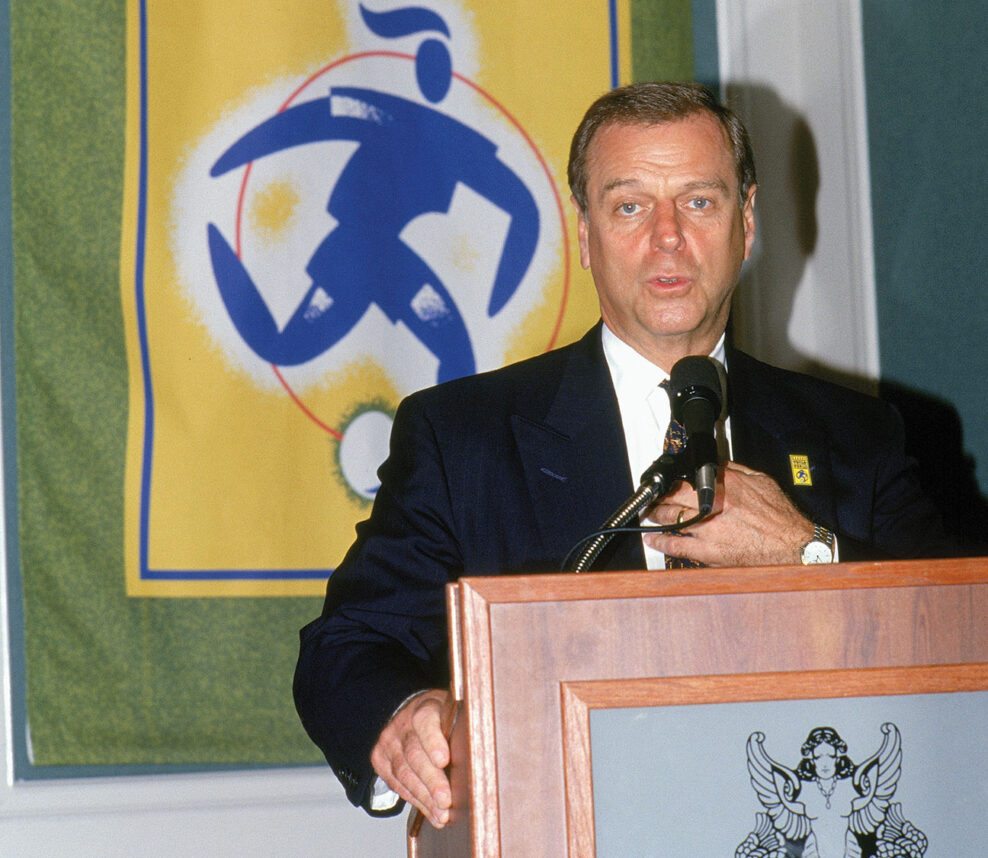
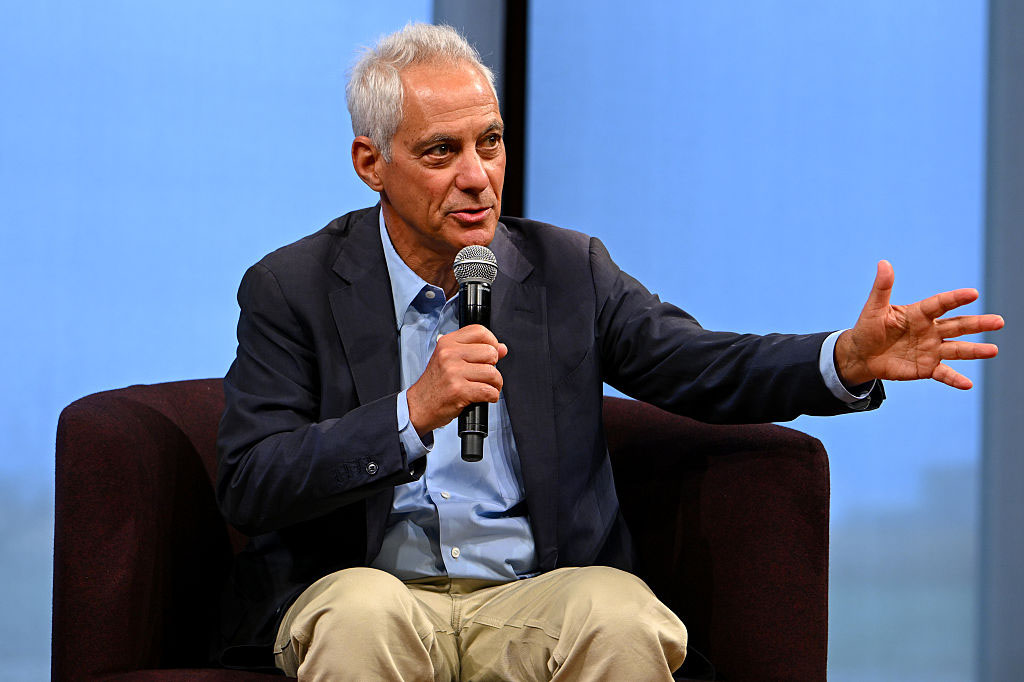
In his discussion of Jewish thought on being transgender, Rabbi Tzvi Hersh Weinreb, executive vice president, emeritus of the Orthodox Union, touched on topics ranging from talmudic references to gender to how Jewish law relates to people who transition sexes, as well as questions of prayer and social interaction inside and outside religious settings when it comes to transgender Jews. While transgender people are diverse in how they present their gender and their transition process — many do not undergo sex reassignment surgery, for example — much of the rabbi’s talk focused on physical changes, such as surgery and hormonal treatments and how Jewish law and tradition sees the body.
“A person who is a committed Jew but wants to live in contemporary society has to walk a fine line,” said Weinreb, who hinted at being somewhat personally uncomfortable with the quick rise of what media outlets have dubbed the “transgender moment.” Weinreb at times described Jewish tradition and scholars as categorically denying the possibility of modifying one’s body through clothing, makeup, hormones or surgery to transition genders, yet, during other moments, explained exceptions under Jewish law where a person could legally change both body and name to match gender identity. In his talk, he continually returned to three instructions.
In a world of increasing anti-Semitism and division, Weinreb said, nobody should reject a Jew from a religious congregation or community because he or she is transgender. The rabbi also encouraged compassion for transgender people, saying he personally knew several transgender Jews who are “very sincere in their desire to worship the Almighty and to observe His Torah and mitzvot” and should be encouraged to “remain within the fold of observant Judaism.” Last, the rabbi said, while “there are guidelines in our religion for how to disagree, hatred is not OK.”
Weinreb spoke for about 90 minutes on the subject, saying he pursued research on Jewish tradition on gender in response to receiving questions from campus mentors who work on college and university outreach for the Orthodox Union. The rabbi said his professional background — he previously had a private psychotherapy practice — also spurred his interest.
On biblical laws, Weinreb said, many Jewish scholars have determined that prohibitions against castration, dressing and grooming oneself like the other gender, wounding oneself “when not medically necessary,” and “entering a dangerous situation” (“all surgery and general anesthesia comes with great risks,” the rabbi said), generally would prohibit one from acts such as changing one’s clothing, or the use of makeup by transgender women, as well as undergoing a sex-reassignment surgery.
Yet, “there are exceptions,” Weinreb said. “If my life is in danger, I can do all of the above.” For example, he said, “If a person is suffering from gender dysphoria, is that person’s life in danger?” If, as a result, the person is suicidal, the rabbi said, then his or her life is in danger, making it permissible to transition to the other gender.
Yet, he pointed out, even if a person changes their name, pronoun and way of dress or modifies their body to match their gender identity, “Most rabbis believe birth gender is the halachic gender for life.”
In an email later, the rabbi explained, “Thus a person born male who becomes a trans-female is still a male halachically, and for example, is obligated to wear tefillin. A person born female who becomes trans-male is exempt from tefillin.”
Weinreb frequently cited “Dor Tahapuchot” by Rabbi Idan Ben Efraim, a Hebrew exploration of transgender issues that he said is considered one of the most extensive. “The current appearance of a transsexual [does] have some bearing in social interactional situations, so that a trans-male should dress like a man and a trans-female should dress like a woman,” Weinreb said via email. Efraim, he wrote, “suggested that in an Orthodox synagogue, where the genders sit separately, a trans-male should sit in the men’s section, and the trans-female should sit in the women’s section.” Similarly, for someone who is shomer negiah, concerned about touch, Weinreb said a transgender person should be treated based upon how they present their gender, not the gender they were assigned at birth.
Weinreb did not address the issue of mikveh in his talk “in the interest of modesty,” but he elaborated on it via email.
“The primary purpose of a mikveh in present times is for a married woman whose menstrual period has ended to resume marital relations with her husband. A born male who has undergone gender change to a woman is a male from the halachic perspective, and men do not menstruate. … A born woman who has changed gender to a male will not menstruate at all, so will never be required to immerse in a mikveh.”
In an email exchange with the Journal after the presentation, Rabbi Kalman Topp, senior rabbi at Beth Jacob, described the presentation at his synagogue as “nuanced” and said it was “well-received by our diverse audience.” Weinreb also conducted a lengthy question-and-answer session after his formal talk ended, fielding pointed questions and commentary from audience members, ranging from those who felt he wasn’t supportive enough to transgender people, to some who thought his presentation was too radical a departure for an Orthodox rabbi.
“One of his overarching messages, which I fully agree with, is that a transsexual is first and foremost a human being who must be treated with dignity, respect and sensitivity,” Topp told the Journal.
“The way I see it is that the Torah is both a Torat emet — a Torah of truth conveyed through laws and values, as well as a Torat chesed — a Torah filled with compassion. A religious Jew is compelled to grapple with this dialectic and integrate both components,” Topp said. “With this issue, it means that we adhere fully to our tradition of Jewish law without denying the commandments inherent in it. At the same time, we recognize that a core element of that tradition is to appreciate — with compassion and respect — the humanity of every single individual and act accordingly.”