At 7 a.m., after a long, grueling red-eye journey from Los Angeles, our plane landed on a narrow runway carved out of the lush rainforest deep in a remote island area of
the Panamanian outback. As my son, Adam, 13, and I trudged off the plane, 40 smiling Kuna natives eagerly welcomed us to the exotic island of Playón Chico.
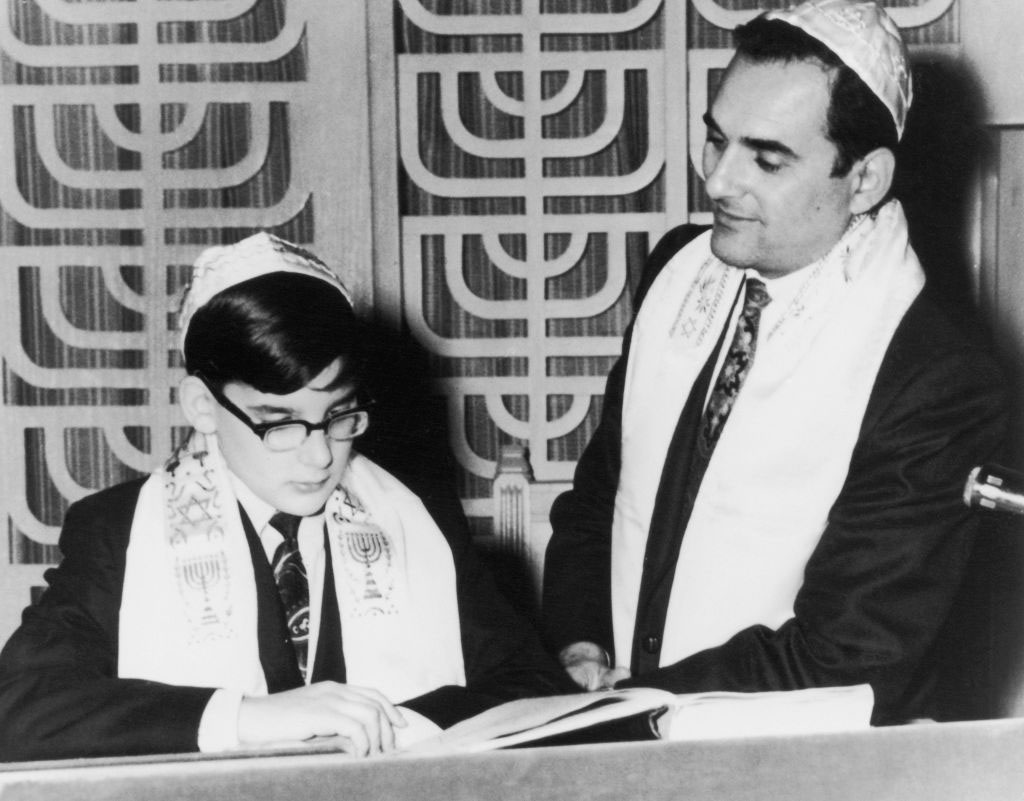
With vivid memories of Adam’s bar mitzvah just a fortnight prior replaying in my mind, I couldn’t help but think that this would be the adventure of a lifetime.
Indeed, it was.
We were on a tikkun olam (heal the world) mission to change the lives of Spanish-speaking natives from numerous island villages in the province of Comarca de Kuna Yala by providing training on how to install and maintain solar power systems.
While sleeping in hammocks in a primitive island village, subsisting on a grilled fish diet and using an outhouse is not the typical way a father commemorates his son’s bar mitzvah, that’s exactly what we did over the next five incredible days.
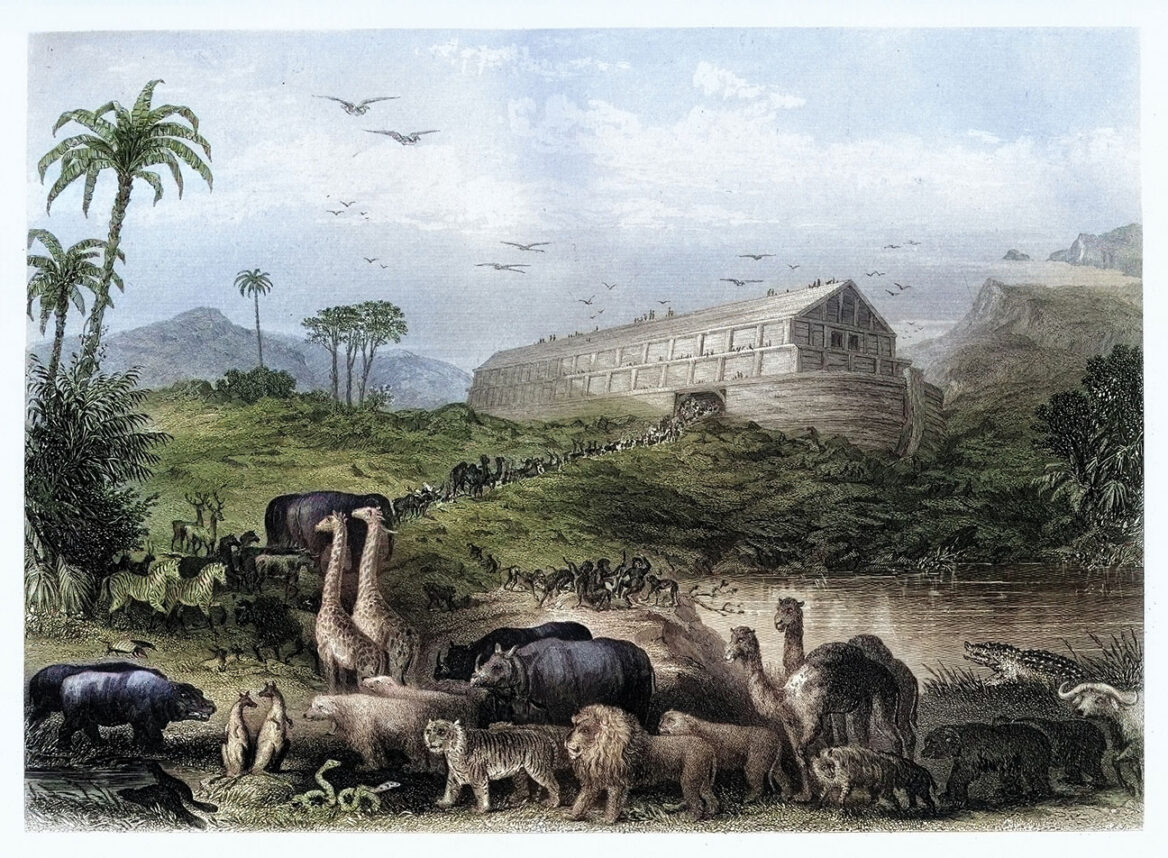
Ironically, Adam’s Torah portion, Noach, speaks about renewing the environment and bringing the natural world back into order after an epic flood. Similarly, Adam saw our mission as a way of renewing nature in a faraway part of the world.
With no electricity in the province (not to mention roads, modern plumbing or reliable communications), having solar power would help ensure a good, renewable energy source and provide some energy self-sufficiency for these people. We worked through the auspices of my company, Permacity Construction, a firm specializing in solar power installation, and Codesta, a nonprofit dedicated to preserving the Panamanian environment.
We became involved in this because we’ve always been concerned about the environment and reducing society’s dependence on fossil fuels. Adam has been an active supporter of Pennies for the Rainforest and Heal the Bay.
I suppose this philanthropic orientation emanates from my parents, Jerry and Lorraine, who have long been active in tikkun olam projects like the environment and causes in the Jewish community and beyond, including serving in leadership roles in our family synagogue, Temple Emanuel. They’re very hands-on people, so Adam and I were simply following in their footsteps with our mission.
The communities we helped are among Panama’s poorest, and the living conditions were quite primitive: We lived on the top floor of a small cement home — one of the few on this island of many dirt-floor grass huts — and the owners lived below.
The bathroom was a simple outhouse of wood poles and palm leaves over the ocean. We showered with a bucket. Our diet consisted primarily of plentiful fish (served complete with head and tail), lentils, rice and banana soup. Adam and I both endured stomach ailments and much fatigue from a lack of sleep.
The mission involved months of preparation, including research on the villages’ energy needs, their structures and what local resources — if any — were available. Some villages had generators, but the gas needed to power them is very expensive. Some older, inoperable solar panels exist, but nobody knows how to repair them.
I ultimately produced a detailed, 40-page solar power system training manual that was translated into Spanish. Finally, I packed and shipped many tools and parts so that each village would have a complete solar power system kit.
In Playón Chico, with the aid of a skilled translator and some other helpers, including Adam, I spent several days teaching a solar energy crash course to 34 top-notch, handpicked students who commuted by dugout canoes to our classroom.
The mission culminated when we finished installing solar panels, batteries and related equipment to power a lighting system in the community’s large town hall, or congresso. Though consisting of just seven 20-watt fluorescent lights (equivalent to 75-watt bulbs), this marked a major advancement, because the congresso had been previously illuminated by only one kerosene lantern.
That evening, when the new lights were turned on, cheers erupted as hundreds of villagers began a long celebration of dance, song and hand pipe music, along with speeches. The village chief gave Adam and me the royal treatment, seating us on his special bench and treating us like heroes.
It was wonderful to watch as the Kuna Yala people began to control their own destiny. We also were thrilled to see that natives from different islands, who had hardly even met before, were now beginning to work together collaboratively, including successful efforts to expand the use of solar power.
This experience has truly inspired Adam.
“I definitely want to do more as I get older,” he says. “Now I know what I can do. I’ve seen firsthand what things can be improved and how things can be improved. And I definitely want to help out more in the future.”
Quite frankly, that’s the best bar mitzvah gift Adam’s mother, Anne, and I could have ever given him.