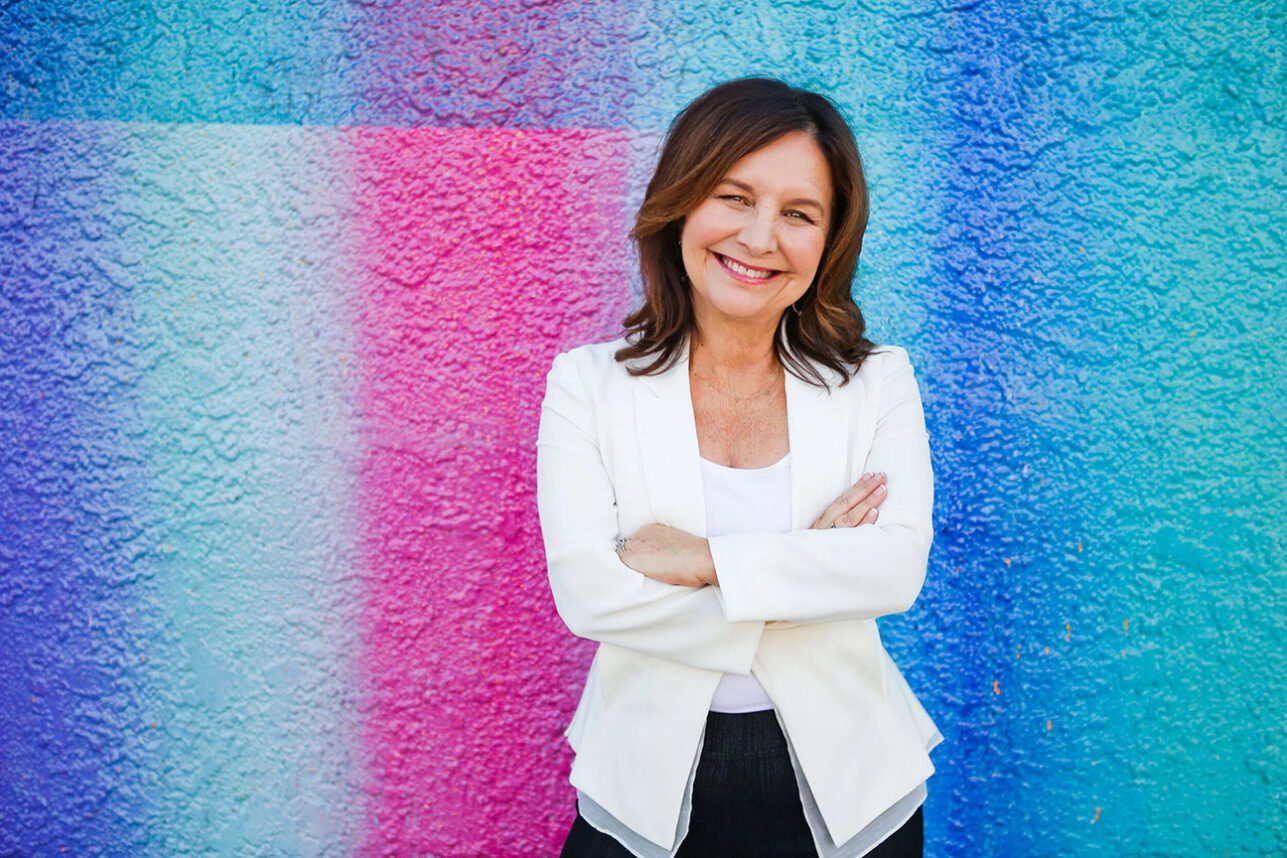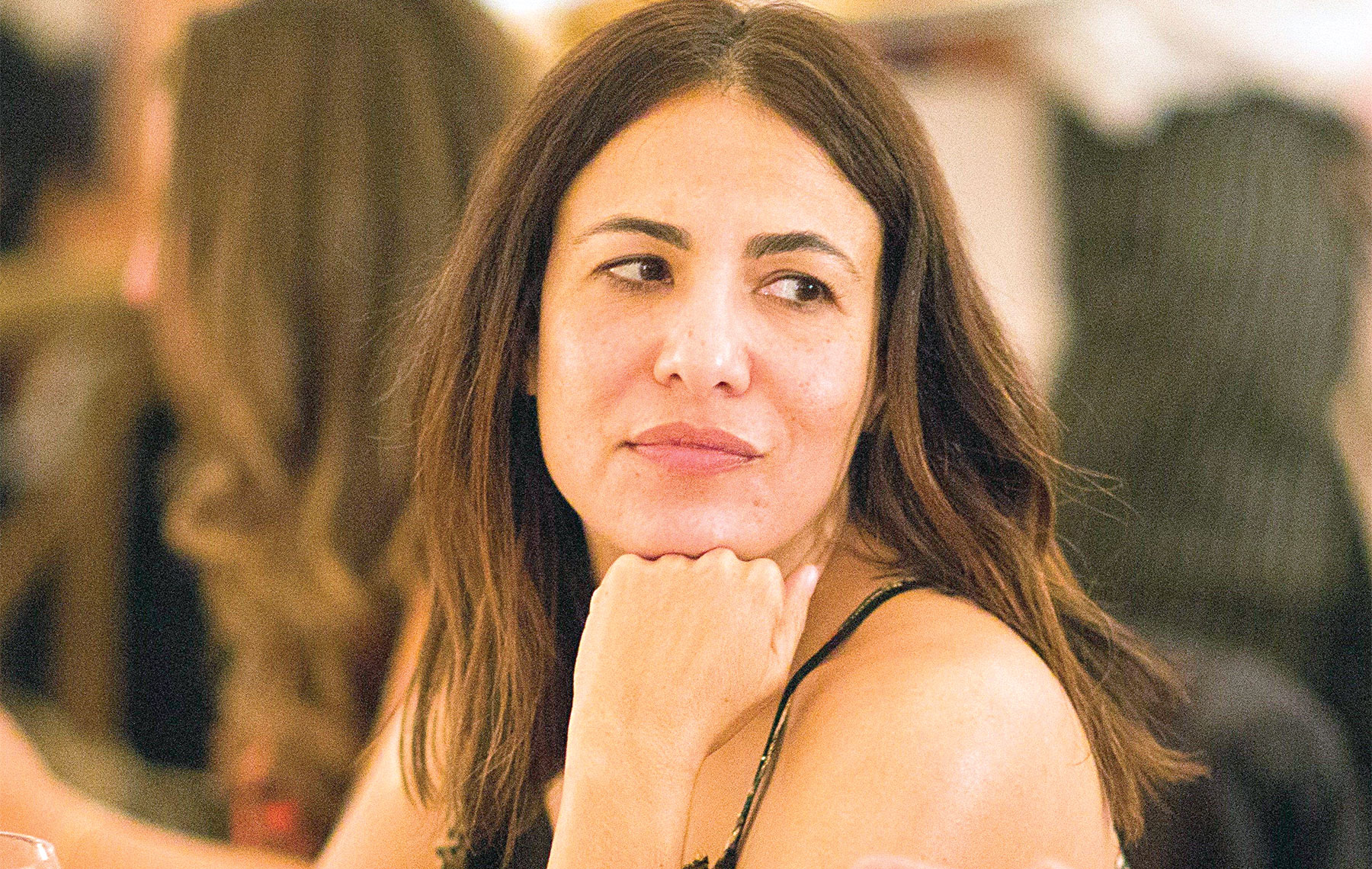
Jenni Konner is a writer, director and producer known for executive producing HBO’s limited series “Camping” and HBO’s acclaimed series “Girls,” which ran for six seasons. She began her career as a writer on Judd Apatow’s television series “Undeclared” and today resides in Los Angeles, where she runs her production company, I Am Jenni Konner Productions.
Together with her former producing partner, Lena Dunham, Konner launched the biweekly feminist newsletter ‘Lenny Letter’ in 2015 and established the publishing imprint Lenny Books with Random House in 2017.
Howard Rosenman: How did your involvement with “Girls” come about? Did you realize the show would define a generation?
Jenni Konner: No. The character Hannah says in the beginning, “I’m the voice of a new generation or of a generation.” That was meant entirely as a joke, so it was very funny to me that people at that time thought she was actually claiming that. I got involved because I saw Lena Dunham’s first feature, “Tiny Furniture,” and thought it was incredible. She had this amazing new voice. Honestly, our agents introduced us and we became partners.
HR: There appear to be progressive values of tikkun olam in “Girls.” Is that a fair assessment?
JK: I really believe in the concept of social justice and I believe that can happen through art. It was never our intention to fix the world. We were just making something we liked, but it did give me a platform to have a stronger voice in the world. We started a feminist newsletter, as well. We were interested in pushing new voices forward and voices that weren’t necessarily being heard.
HR: How has your Jewish background influenced your work?
JK: There’s a lot of humor in the Jewish community and that absolutely has been an influence for me, and my father, particularly, is very funny, as is my mother. That had a lot to do with who I am now as an artist. I was inculcated with reading and telling stories because that’s what we Jews do. I was a voracious reader. I still am. I read one to two books a week. There’s a lot of storytelling, hyperbole and exaggeration for the sake of the story, which feels to me inherently Jewish.
HR: What is your Jewish background?
JK: Until I was 12, there was almost no talk of Judaism beyond Hanukkah, which was fine with me since I was a kid. My father, all of a sudden, remembered that we were Jewish and decided to throw me a big bat mitzvah. So I had to cram, never having gone to Hebrew school, and I went to Temple Emanuel and got a tutor. I did it all in six months as opposed to two years. We went to High Holy Days for a while after that. Now I go to Kol Nidre and Neilah.
HR: As a progressive in Hollywood, how do you feel about Israel the nation, not necessarily the government?
JK: I feel conflicted. I’m not going to pretend that I don’t. I feel undereducated, which is why I would never come out with a very strong opinion at this point in my life.
HR: Might your daughter go on a Birthright trip?
JK: I don’t know if she’d go on Birthright, but she is part of a summer camp/movement called Habonim Dror — a sort of a socialist Jewish camp. She goes every summer. When you age out of the camp, you are supposed to go to Israel to a kibbutz. That’s something she’s talking about.
“It was never our intention [on ‘Girls’] to fix the world. We were just making something we liked, but it did give me a platform to have a stronger voice in the world.”
HR: You’re a member of IKAR and a friend of Rabbi Sharon Brous. How has she influenced you?
JK: Sharon’s commitment to social justice really moved me. It wasn’t a basic phone-in sermon of my childhood. Her High Holy Days, especially, are barn burners — incredibly motivating, emotional and come from the heart. She’s a brilliant woman leading this very cozy community. Every part of that excited me. My kids’ father, and one of my closest friends, goes most Saturdays, and my daughter was bat mitzvahed there and my son is about to be [a bar mitzvah].
HR: Have you ever experienced either sexism or a negative experience vis-à-vis the #MeToo movement?
JK: Yeah, I’ve seen some gross things in my time. One of them I wrote about in “Lenny,” and that was sort of before the #MeToo movement. I strongly feel that had it happened now, this man would have been walked off the set and unemployable.
HR: What are the plans for your new company?
JK: I work with two incredible women, Katie Belgrad and Nora Silver. We have hit the ground running. We have two movies we are producing, one at Netflix and one at New Regency. We also want to re-enter television. I’m now pushing other people’s voices forward, and writing, directing and showrunning myself. I’m going to take one step back on many projects and help other people do that job.
Howard Rosenman has produced more than 43 movies, including “Call Me by Your Name.” He also is a co-founder of Project Angel Food.