“>chocolate being the most popular, bumps up against my religious consciousness. Which will prevail?
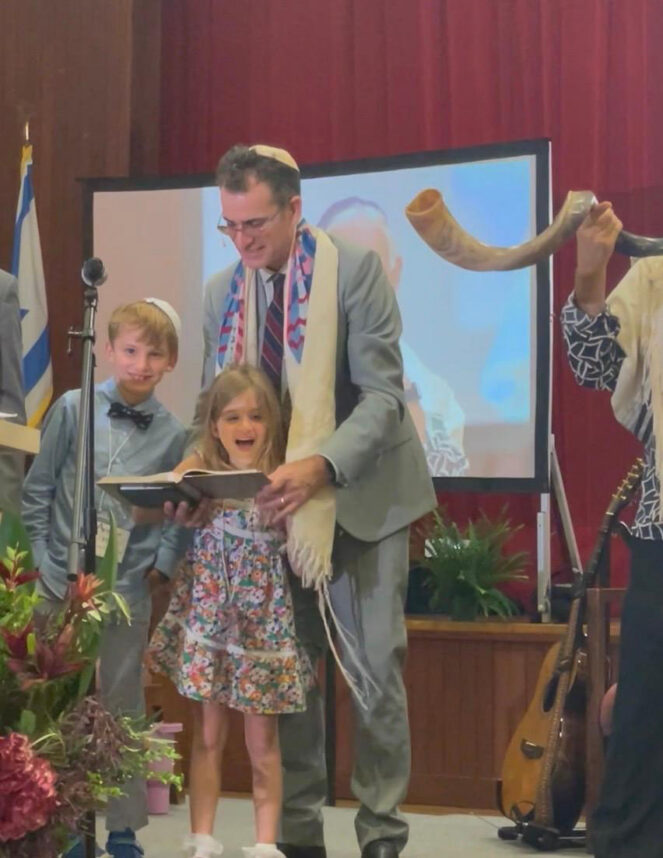
My ambivalence starts with my father's rants against Halloween's ghoulish pagan and Christian base of saint worship. Admittedly, despite my genetic inner Halloween gremlin, my children enjoyed creative costuming and goodie hoarding. I confess that I chomped a few myself. Their best Halloween costume saw them wrapped in an oversized “>Day of Atonement (Yom Kippur) “for the sin we have committed before You through food and drink al cheit shechatanu l'fanecha b'maachal uv'mishteh). The one … “who has acquired the virtue of moderation will eat the proper types and proper amounts of food without any effort,” advised the great physician and philosopher, “>oshek, literally, the prohibition against “withholding wages” or “monetary oppression.” I wonder how we justify our chocolate pleasure, entertainment, and calorie intake when it grows from the psychological and physical torture endured by thousands of child slaves harvesting the cocoa beans needed to satiate the developed world's chocolate addictions. “If you eat a chocolate kiss for Halloween, the cocoa almost certainly came from West Africa and it almost certainly involved child labor. Some of it is coerced labor, and some of it is children working on family farms,” according to Illinois Wesleyan University's “>A human rights association estimates that child slaves are found on at least 90 percent of the Ivory Coast's cocoa plantations. Over half of the world's chocolate may be defiled by such cruel treatment of children. This shame should melt away.
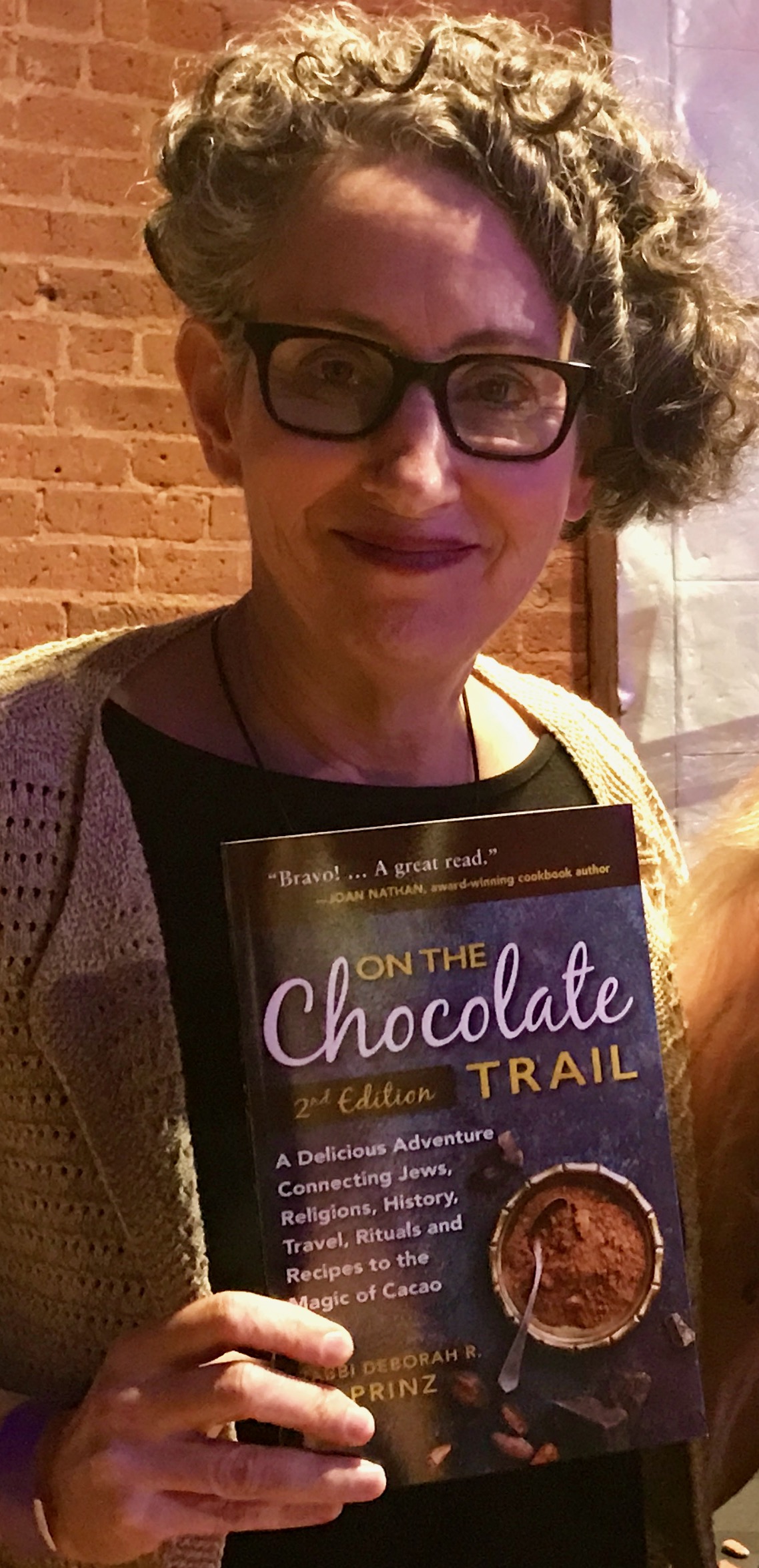
I learned about the 2001 “>On the Chocolate Trail. Also known as the Cocoa Protocol, written by Senator Tom Harkin (D-IA) and Representative Eliot Engel (D-NY), it sought to provide certification to eliminate the worst forms of child labor. Eight chocolate multinationals have signed on to the protocol, including Guittard, Nestlé, Hershey, M&M/Mars, and Callebaut. However, the protocol has not been fully implemented and the initial deadline has passed. International conglomerates such as Cadbury (Mondelēz), “>Godiva (Yıldız Holding,) “bulk” their beans, meaning that they buy from middlemen and do not identify how much originates in “>Ivory Coast. They do create programs to assist local farmers.
To provide fair compensation to cocoa farmers and to avoid child slavery, several fair trade certification systems establish a minimum price above market value for cocoa. Chocolate producers such as “>Equal Exchange, and others claim such certification. Other chocolate makers sidestep the fair trade certification costs, claiming that their farmers benefit more from direct contact and superior financial arrangements. Sean Askinosie of “>Taza Chocolate labels itself “ethically traded,” incentivizing quality, visiting farmers at least once a year to inspect workplace standards and conducting its finances with each farmer transparently and publicly. Companies such as these do not buy beans from Ivory Coast or Ghana. To avoid chocolate spoiled by exploited child labor and slavery, a discerning chocolate lover might purchase bars of single-origin beans (from a specific plantation, region or country).
This week Halloween's demons might cause us to wrestle with chocolate purchases that harm the environment, local populations, laborers and most especially children. Call me a Halloween scrooge. Instead of a hollow treat basket, I would prefer to be hallowing my life and the world around me.
An earlier version of this piece appeared at “>Huffington Post.