














The life of Sara ends with death.


Is attraction based solely on the physical? Or is chemistry based on something deeper?

The tight relationship between Trump and Netanyahu masks the real debate over Israel churning in the Republican Party, and Israel’s standing among Democrats has never been lower.
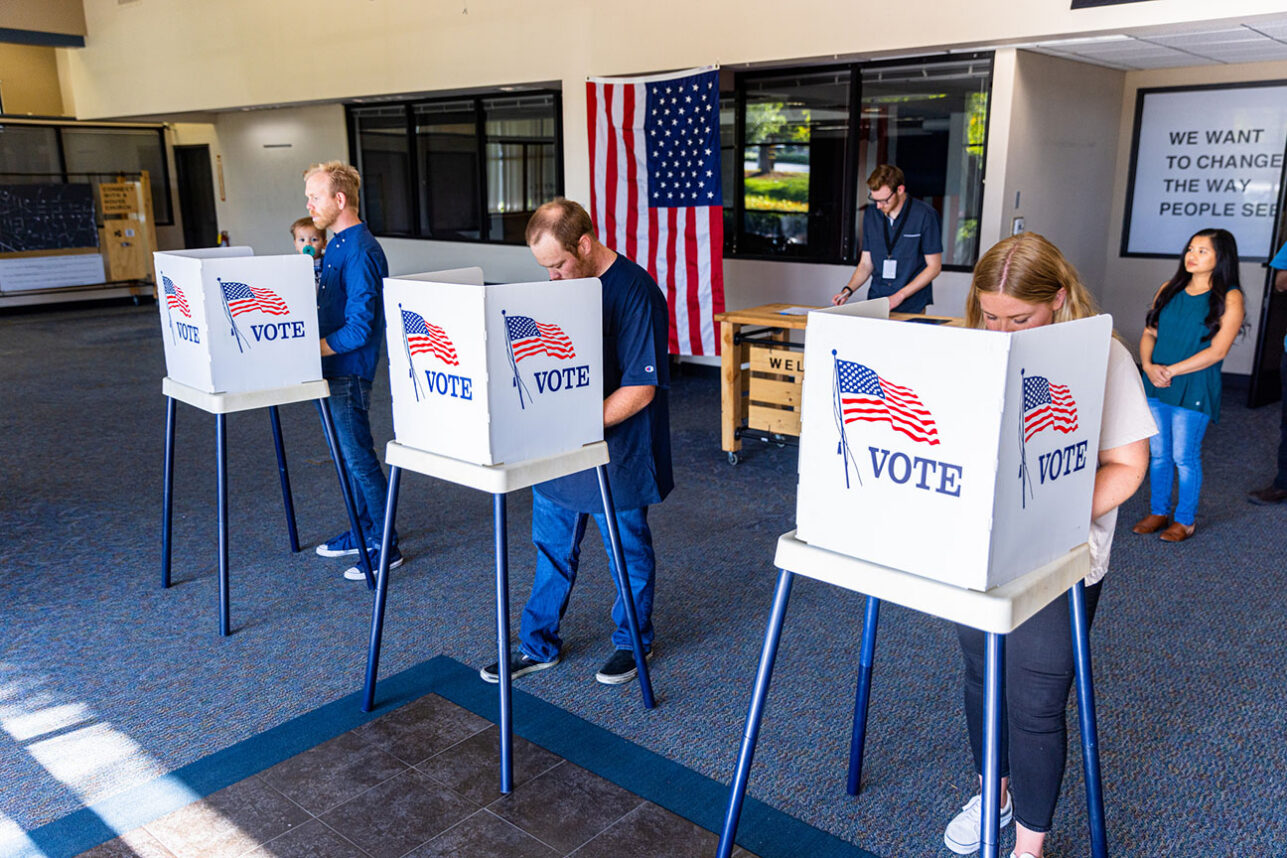
Some emphasized the importance of combating antisemitism and protecting Jewish safety, while others called for political engagement and cooperation across party lines.

What comes next?

So here we are, stuck with just a few bad options to consider. And that’s just the political superposition of undetermined future – alongside it there’s also the possible – probable? – war with Iran.

That is my hope: that by finding things we can do together, by recognizing each other’s humanity, we might come to see each other more fully.

At a time when Jewish education is competing for attention in a world dominated by screens, sports, short-form videos and endless streams of content, these easily collectable cards offer a different kind of engagement.

There is little chance that the combination of a weakened Trump and an emboldened Democratic Congress produces similar levels of support for aggressive action against Iran and its proxies, and other policies that a wide spectrum of Israelis see as crucial to their security.

In the diaspora and in Israel, we cannot turn back the clock and undo the harm that was done to us. But we can shape our own future. Israel is strong and resolute. So must we be.
Democrats who were long considered “moderates” or even pro-Israel have been signaling over the course of the last year that they can no longer be relied upon to back a Jewish state under assault by Iran and its terrorist proxies.

When each dispute seems existential, an error is a catastrophe and disagreement seems like betrayal.

The Torah offers a comforting view of a life beyond this life. We aren’t told what it will be exactly — yes, it’s abstract and vague — but we are told it’s waiting for us as it was for Abraham.

History teaches that you can always trust the fanatics to overplay their hand, allowing muscular moderates to reassert power.
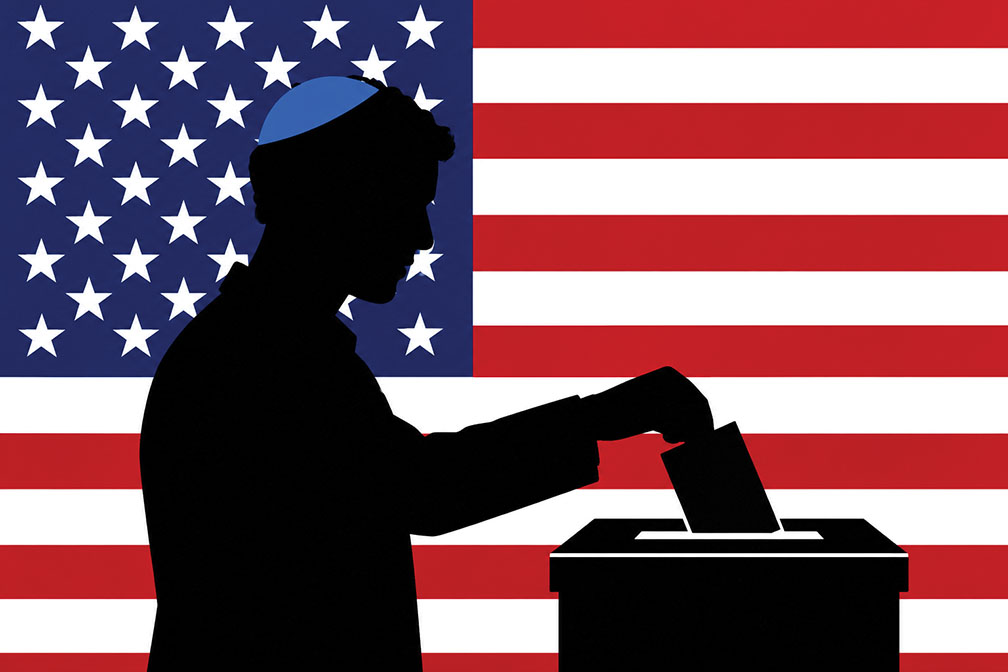
How do voters reconcile longstanding party loyalties with changing views of Israel, communal security and American political leadership?

For me, the disaster isn’t that Democrats won or Republicans lost. It’s that politicians who demonize Israel, deny Jewish self-determination and explain away antisemitism are finding an increasingly receptive electorate in the world’s most important democracy.

The central issue is not whether Jewish voters should support Democrats or Republicans. It is whether either party can demonstrate that Jewish security, Jewish identity and Jewish self-determination are compatible with its broader political agenda.
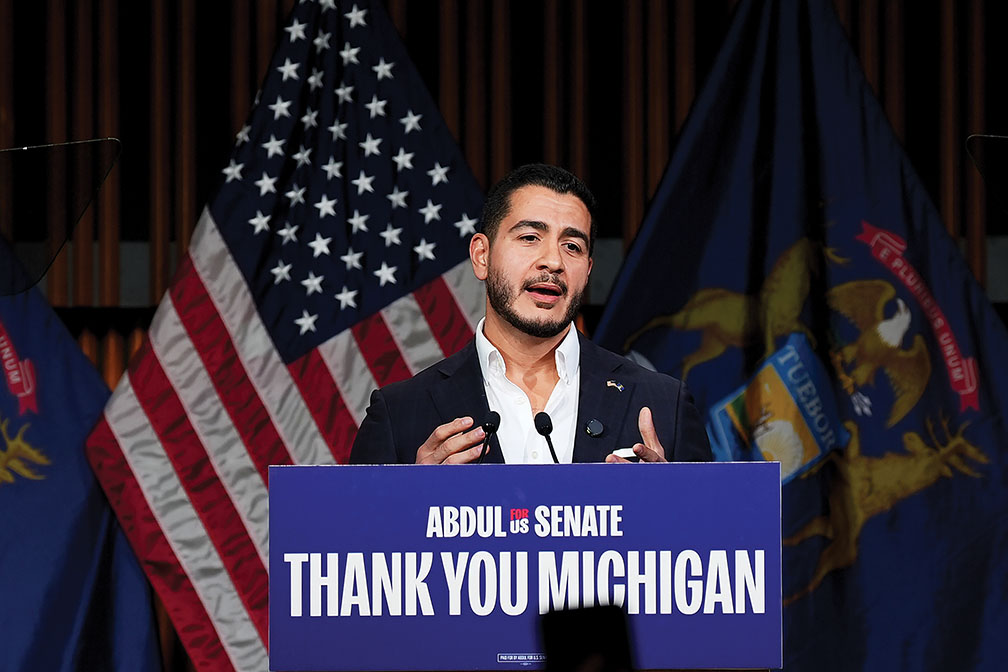
Abdul El-Sayed (D-Michigan) becomes first Muslim elected to U.S. Senate, longtime Republican strongholds turn Democratic, and at least five Democratic Socialists of America-backed candidates win U.S. House seats.
