
In 2021, NBC aired an episode of the TV show “Nurses,” portraying a Hasidic Jewish patient who refuses to get a bone graft because he is afraid of where it will come from. The patient and his father don’t want it to come from a “goyim,” an Arab or a woman.
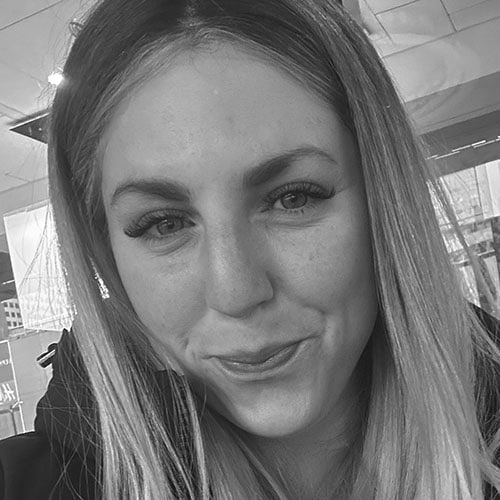
The scene – which featured Jewish characters wearing comically fake peyos – faced criticism from Jewish community advocates, including Allison Josephs of the website and organization Jew in the City.
“The idea that such a surgery would be problematic in general or problematic because of where the bone came from not only is categorically false according to Jewish law, it is a vicious lie that endangers men who walk around with curled side locks and black hats,” Josephs wrote on JITC.
The portrayal of Orthodox Jews in the media is usually harmful and stereotypical. It’s Josephs’ mission to change that.
NBC ended up pulling the episode, but it was indicative of a larger problem: The portrayal of Orthodox Jews in the media is usually harmful and stereotypical. It’s Josephs’ mission to change that.
Josephs founded JITC in 2007 to change negative perceptions about Orthodox Jews around the world. And now, she’s launched the JITC Hollywood Bureau and meets with NBC, CBS, Disney and WGA to consult on writing about the Jewish community.
“There’s a reason no one has built such a bureau before,” said Josephs. “Jews are not seen as a minority in Hollywood, and Orthodox Jews are barely seen with humanity. We have flagged a couple shows about Orthodox Jews to the networks that are currently in production.”
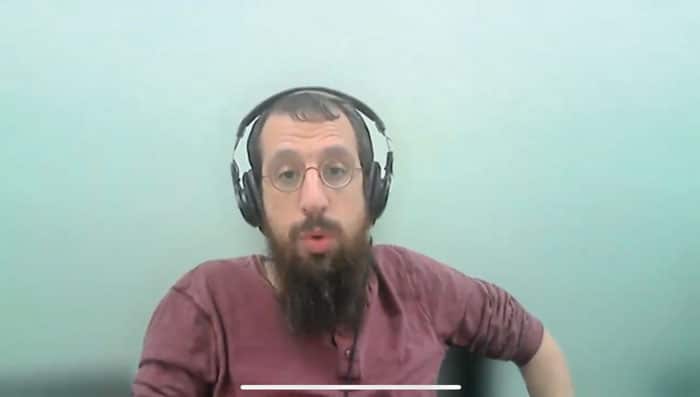
As part of their efforts, JITC recently released part one of a YouTube documentary about Hollywood’s portrayal of Orthodox Jewish people called, “Hollywood’s Orthodox Jew Problem.” The documentary includes clips of negative portrayals, along with testimonies from Josephs, Orthodox Jewish comedian Mendy Pellin, author Dara Horn (“People Love Dead Jews”) and TV writer Rob Kurtz.
“Media not only creates negative feelings in non-Orthodox Jews, it [also] incites antisemitic feelings in non-Jews,” said Josephs. “In an age of rising antisemitism, we can’t just count statistics or offer rewards to capture perps after the fact. We need to be thinking about prevention.”
Josephs believes that all Jews are in this together. If the media shows Orthodox Jews to be a certain way, it’s going to spark hatred towards every Jew.
“How the visible Jew is seen should matter to all Jews,” said Josephs. “All Jews become the ‘Annie Hall’ Hasid. All Jews ultimately get compared to the most visible Jews. If Hollywood keeps putting out content that vilifies or dehumanizes this group, it endangers all Jews.”
Clips featured in the documentary are from TV shows like Netflix’s “My Unorthodox Life” and “Unorthodox,” the now-infamous “Nurses” episode and CBS’ “2 Broke Girls.” In the future, JITC will be putting out an expanded version of the documentary and including more examples.
“We want to start a conversation with the general public to show that this topic is just as worthy as any other minority group that has asked for whole and authentic depictions,” said Josephs. “We also want to educate the showrunners and network and studio execs. So this is a great piece of content to show them why and how things have been done incorrectly and what changes we envision for them to improve.”
So far, Joseph has made progress. Along with meeting with networks and talking with Hollywood writers who are also dissatisfied with the state of Jewish representation in the media, she landed on Variety’s yearly inclusion report for the top 50 people making a change in the industry.
“To our knowledge, a person working to advocate for Jews had never been on this list before,” she said. “That’s an exciting honor and will hopefully continue to move the needle in terms of bringing this conversation to the forefront.”
Though JITC is fighting years of Orthodox Jew-bashing on TV and in the movies, Josephs is hopeful that what she’s doing matters.
“This is going to take time,” she said. “But the good news is we don’t plan to stop any time soon, and I personally love a good challenge.”
You can watch “Hollywood’s Orthodox Jew Problem” on YouTube.