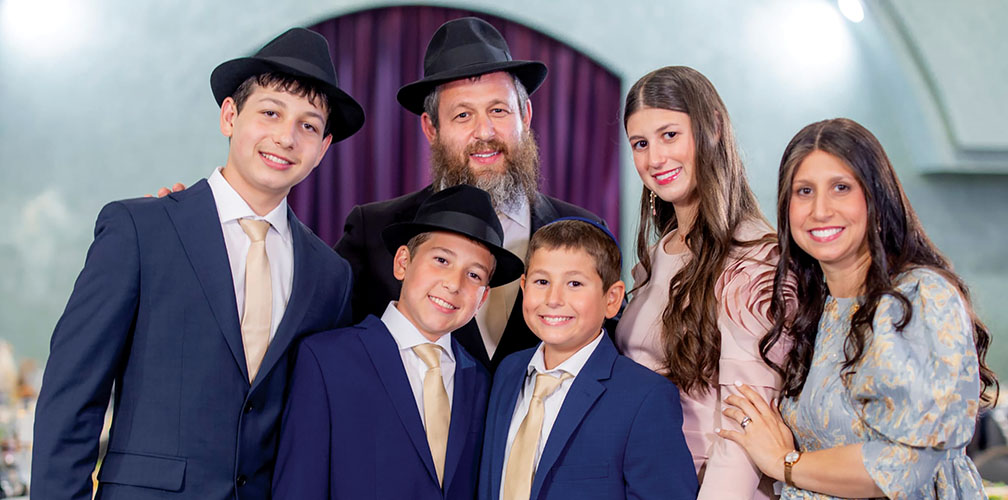
Australian-born Janine Lowy is the mother of three daughters and one son. Her father, Chazzan Andre Winkler, was born in Hungary in 1923, and his father, Chazzan Pinchas Winkler, was a protégé of the famous Cantor Yossele Rosenblatt. Andre’s parents, three sisters and their children all perished in Auschwitz, while Andre worked in forced labor. When he could leave Europe, he immigrated to Sydney, Australia, where he became a highly respected cantor. He and his wife, Maisie, raised their two daughters, Charmaine and Janine, in Sydney. Andre lived there until he died in 2009 at 85.
“I didn’t have the same kind of childhood that my friends had. My father was young when he was taken from his parents and sent into forced labor during the Shoah, leaving an indelible impact on him his entire life. My mother died after a long illness when I was still a teenager. Dad became both mother and father, wanting to provide us with a family structure that he himself lost. Despite his giving us a lot of love and affection, there existed an underlying melancholy and heaviness in our home.
Each year on Yom Kippur, after the conclusion of Neilah, Dad would leave the bimah in tears. We knew the source of his sadness — he missed his family and the traditions of his youth.
On the bimah, Dad’s beautiful baritone voice and his movie-star looks and charisma made him a presence in the community. I was always proud to witness the congregation being so moved by his rendition of the liturgy. Dad was a shaliach tzibbur [cantor and leader] in the truest sense of the meaning, particularly during Yizkor services, when he sang from the heart and his painful life experiences.
After my husband, Peter, and I moved from Sydney to Los Angeles in 1990, Dad spent the High Holy Days with us every year. When he was in town, he conducted services at the Beverly Hills Jewish Community Synagogue — this was fantastic for my kids to experience.
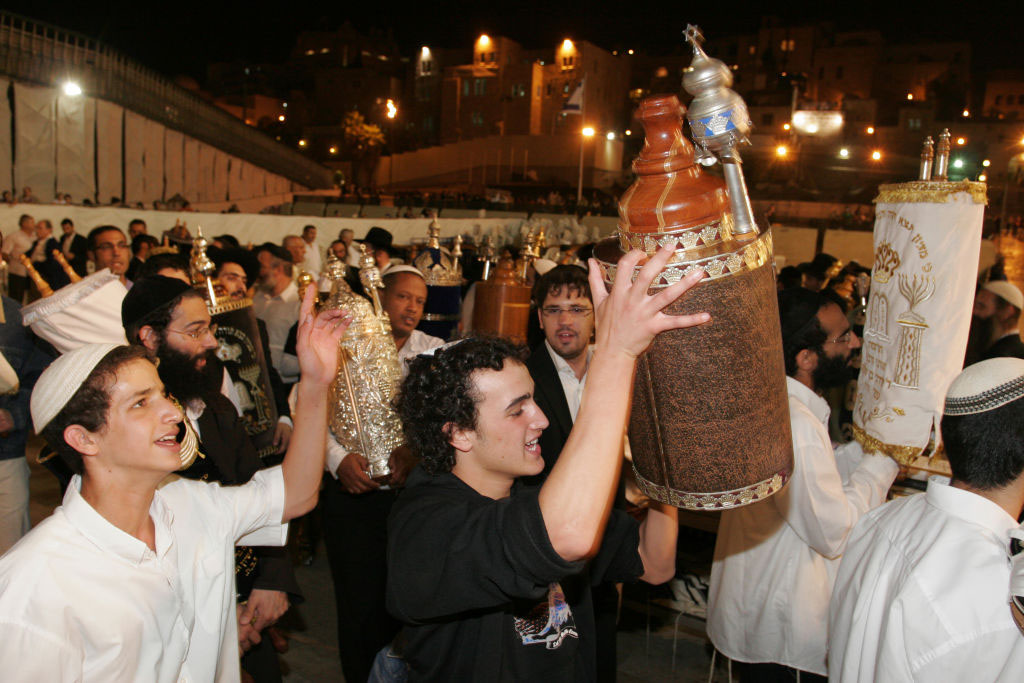
Many Holocaust survivors understandably moved away from Jewish traditions and observance, but my father fortunately didn’t. Most of my childhood memories center on the seder, Shabbat and observance of all the traditions, especially the songs, which I’ve taught my children.
Dad was very open about the changing face of traditional Judaism. He took great pleasure in teaching his granddaughters to read from the Torah, learning new liturgical renditions by the likes of Shlomo Carlebach, and listening to new pieces sung in the soprano voices of women cantors.
He was still vital and involved with the lives of all his children and grandchildren until the day he passed away, in 2009. My sister and I talk about Dad every single day. “