Just when you thought Jewish theater in Los Angeles was comatose, two plays, “The Whipping Man” and “My Name Is Asher Lev” are on the boards this month.
The West Coast Jewish Theatre’s current Los Angeles premiere of “Whipping Man” is set in an unexpected milieu, the American Civil War.
More precisely, the play by Matthew Lopez unfolds in the immediate aftermath of the bloody conflict, when Caleb DeLeon, a wounded Jewish Confederate officer, returns to his ruined family home in Richmond, Va.
The house has been abandoned save for two of the family’s newly freed slaves, who are waiting for the return of the DeLeon family.
As the Jewish officer (Shawn Savage) and the ex-slaves (Ricco Ross and Kirk Kelleykhan) wait for the devastated city to come back to life, they relive the past and wonder what the future will hold for them.
A dramatic centerpiece of the play is a celebration of the Passover seder by the three men, for Simon and John, the ex-slaves, have been raised in the faith of their masters.
It is Simon, the older of the African-Americans, who links the fates of blacks and Jews when he intones, “Let all who are in need come and celebrate Pesach. … This year we are slaves, next year we may be free.”
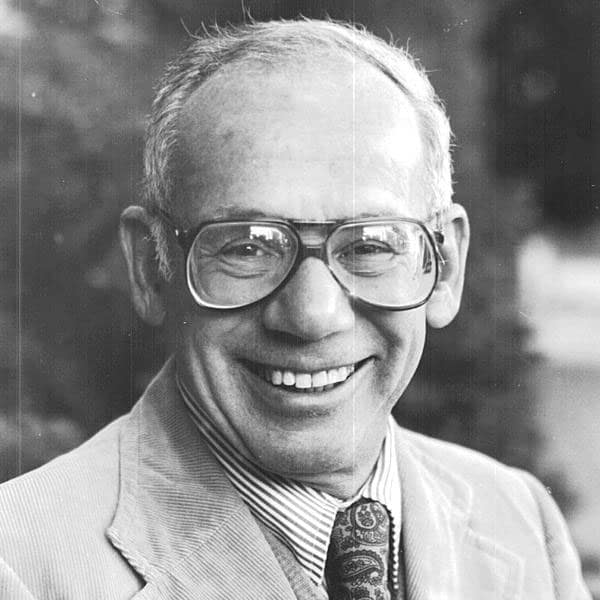
Howard Teichman, the company’s veteran artistic director, said in a phone interview that he seeks out plays that deal with lesser-known Jewish themes, outside the Holocaust or shtetl life.
In his research, Teichman discovered that numerous Sephardic Jews, whose ancestors fled the Spanish Inquisition, settled in cities and small towns all over the South, with many raising cotton and keeping slaves.
As was the custom at the time, the black slaves followed the religious faiths and customs of their owners, and while the Jewish masters were not above whipping their slaves, in general they meted out better treatment than the gentile plantation owners, Teichman said.
A different three-actor cast will be on stage at the Fountain Theatre, with the Los Angeles premiere of “My Name Is Asher Lev,” based on the well-known novel by Chaim Potok and opening Feb. 22, with preview performances Feb. 15–21. It will run through April 19.
Set in Brooklyn’s Chasidic community, the play, adapted by Aaron Posner, pits the artistic aspirations of the young Asher, struggling to realize his gift as a painter, against the traditional religious and social views of his parents.
Even as Asher encounters the misgivings of the tightly knit family and community, he also finds encouragement in unexpected places.
His rebbe recommends a teacher — in hedonistic Manhattan — who instructs Asher how to paint crucifixes, and worse yet, nudes.
“The play explores the struggle between art and tradition and between the generations, and trying to discover who you are and what you were meant to be,” director Stephen Sachs said in an interview.
To some extent, Asher’s struggle is akin to his own experience, Sachs said, and while the play reflects a specific time and culture, it also wrestles with universal themes.
Starring in “Asher Lev” is Jason Karasev in the title role, Anna Khaja as his mother and various female characters, and Joel Polis as the father and in other male roles.
Sachs is a co-founder of the Fountain Theatre and has been its artistic director for 24 years; he is also a playwright, whose “Bakersfield Mist” will open in London’s West End this spring.
“The Whipping Man,” is playing currently at the Pico Playhouse, 10508 W. Pico Blvd. in West Los Angeles, and runs through April 13. Performances are Thursday, Friday and Saturday evenings and Sunday matinees. Ticket prices range from $25 to $35 and are available online at www.wcjt.org, or call (323) 821-2449.
Previews and regular performances for “My Name is Asher Lev” will run Feb. 15 through April 19 at the Fountain Theatre at 5060 Fountain Ave. (at Normandie Ave.) on Thursday, Friday and Saturday evenings with Sunday matinees. Tickets are $34 each, with discounts for seniors, students and previews. For reservations and information, visit www.FountainTheatre.com or call (323) 663-1525.