
|
|
||
|
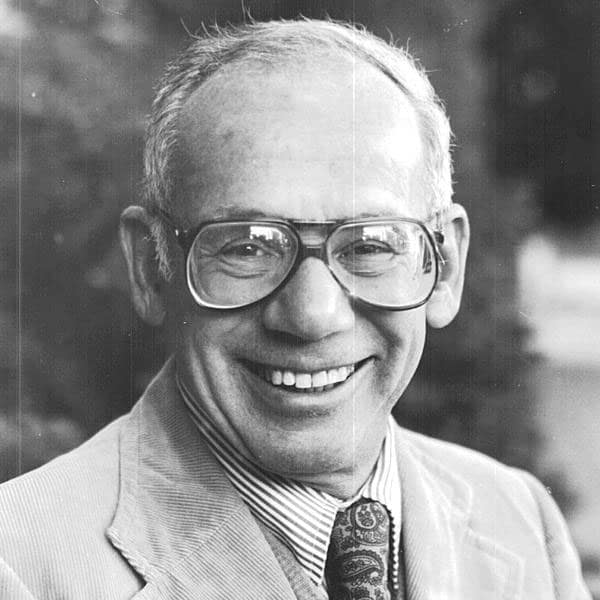
“Our rabbis speak of yetzer hara and yetzer hatov, man’s dual inclination toward evil and toward good, and what you make of your life depends on which you follow,” Saul Kroll observes. Kroll is a firm believer in yetzer hatov, and the 87-year-old Westside resident translates it into practice six days a week as an emergency room volunteer at Cedars-Sinai Medical Center. Although “retired” for almost 20 years, Kroll puts in a full workweek doing whatever needs to be done. “People come into the treatment area and I greet them, help them fill out forms, check what rooms are available and help them undress,” he said in a phone interview. “I always try to encourage them, to tell them that they are in the best of hands, to lift their spirits,” he said. “That’s the greatest mitzvah.” Sometimes the work is physically difficult for an octogenarian, as when “you push a 250-pound woman going into labor up a ramp in a wheelchair,” he said. But Kroll believes in putting his aches and pains, including spinal injuries, aside. “Either you let your medical problems control you, or you control them,” he philosophizes. To Dr. Joel Geiderman, co-chair of the hospital’s emergency department, Kroll’s dedication “is unbelievable. He never asks anything for himself. He is selfless, truly one of the righteous.” While the typical Cedars-Sinai volunteer puts in four to eight hours per week, Kroll’s norm is between 35 to 40 hours. Barbara Colner, director of the medical center’s almost 2,000 volunteers, has calculated that Kroll has worked 24,400 hours since starting his stint in 1987. She isn’t sure whether or not this represents an all-time record. When Kroll does miss work, it’s often to drive a 90-year-old neighbor with breast cancer to her medical appointments. He is just as conscientious in his religious observances. “I’ve gone to shul three times a day since my bar mitzvah,” he said, and during High Holiday services at the hospital he is the unofficial greeter, kippot and tallit dispenser, and also chants the memorial prayer. “Saul is amazing, he conducts his life with the energy of a 20-year old,” noted Rabbi Levi Meir, the hospital’s chaplain. Kroll also unfailingly shows up at the daily morning minyan at nearby Temple Beth Am. “He is one of our stalwarts and we take great pride in him,” commented the temple’s Rabbi Joel Rembaum. The one period during which Kroll missed his minyans was World War II, when he served with a B-29 bomber squadron in the Pacific. But even there, he organized High Holiday and Passover services for Jewish servicemen on Guam. Kroll was born on the day following the World War I armistice, Nov. 12, 1918, grew up in a small town near Pittsburgh, and started managing a sporting goods store at age 17. After the war, Kroll went to work rebuilding auto engines and, in the 1950s, he and a partner opened an automotive and body shop. His wife, Selma, died in 1994. Kroll proudly cites the professional careers of his two children and four grandchildren. His parting advice: “Don’t tell someone, ‘OK, call me if you need any help.’ Just go on over and help.” |
 |

































