The coming of Rosh Hashanah brings ancient themes deeply woven into the human experience—renewal, introspection, and the undying hope for a better tomorrow. Observed by millions of Jews around the world, Rosh Hashanah marks not only the passage of time, but also the opportunity to reflect on the past and set intentions for the year ahead. In the midst of global uncertainties and regional challenges, the spirit of this holiday resonates far beyond the boundaries of the Jewish community, offering a universal message of optimism and the possibility of transformation.
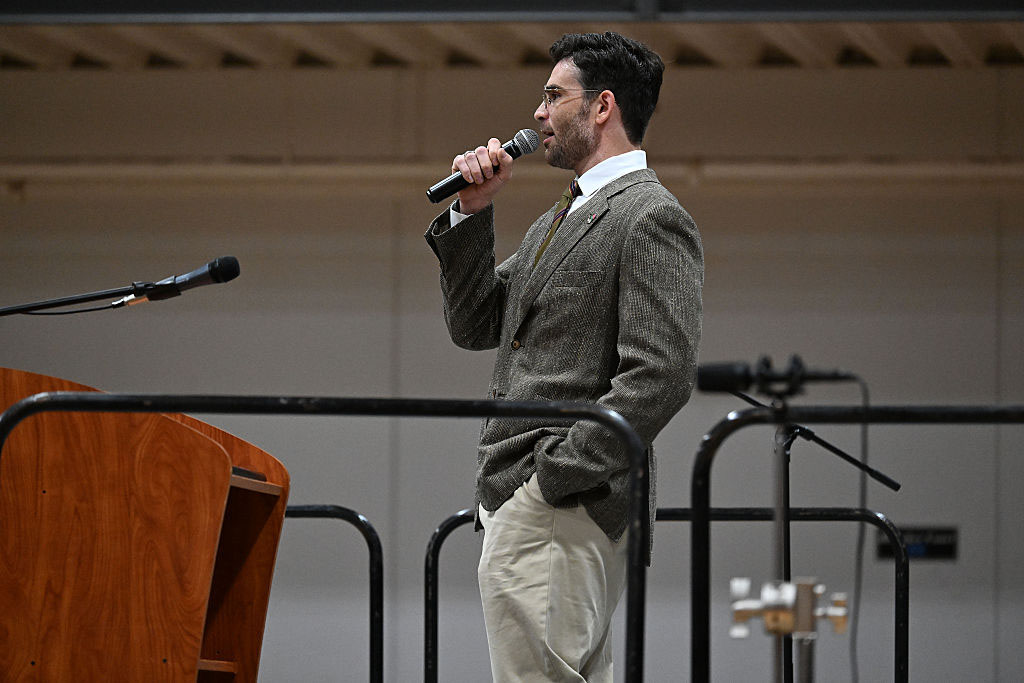
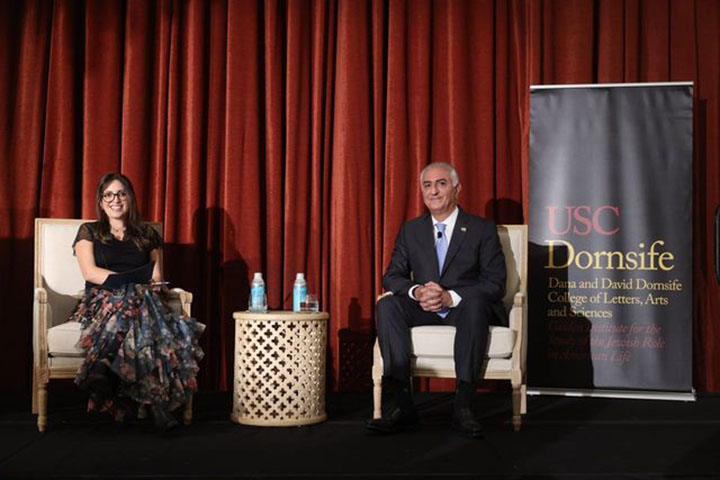
This year, the themes of vision and hope found tangible expression on the campus of the University of Southern California, where Crown Prince Reza Pahlavi of Iran delivered the inaugural address of the Raymond and Dina Levy Distinguished Speakers Series for the USC Casden Institute. The event, which drew an audience of students, scholars and community members, was a remarkable occasion: a leader-in-exile, standing at a crossroads of history, sharing his perspective on the future of Iran and its place in the world. In an impassioned speech titled “A Story of Two Ancient Peoples: From Cyrus the Great to the Cyrus Accords,” Reza Pahlavi articulated a vision that echoes the very spirit of Rosh Hashanah—a yearning to turn the page, to embrace reconciliation, and to imagine a new beginning for an ancient land enriched by the majesty of its diverse population with profound reflection on the rich heritage and cultural contributions of the Iranian-Jewish community.
Central to Crown Prince Reza Pahlavi’s message at USC was his endorsement of the “Cyrus Accords”—a bold proposal for peace between Iran and Israel. Named after Cyrus the Great — the ancient Persian king celebrated for his respect for diversity and his role in the return of the Jewish people to their homeland — the Cyrus Accords symbolize a future in which enmity gives way to partnership, and historic divides are bridged by courage and foresight. Pahlavi’s vision is not merely political; it is deeply human, calling for dignity, mutual respect, and the recognition of shared destinies in a Middle East too often scarred by conflict. In his address, the Crown Prince emphasized that lasting peace requires both honesty about the past and hope for what might yet be achieved.
Pahlavi’s vision is not merely political; it is deeply human, calling for dignity, mutual respect, and the recognition of shared destinies in a Middle East too often scarred by conflict.
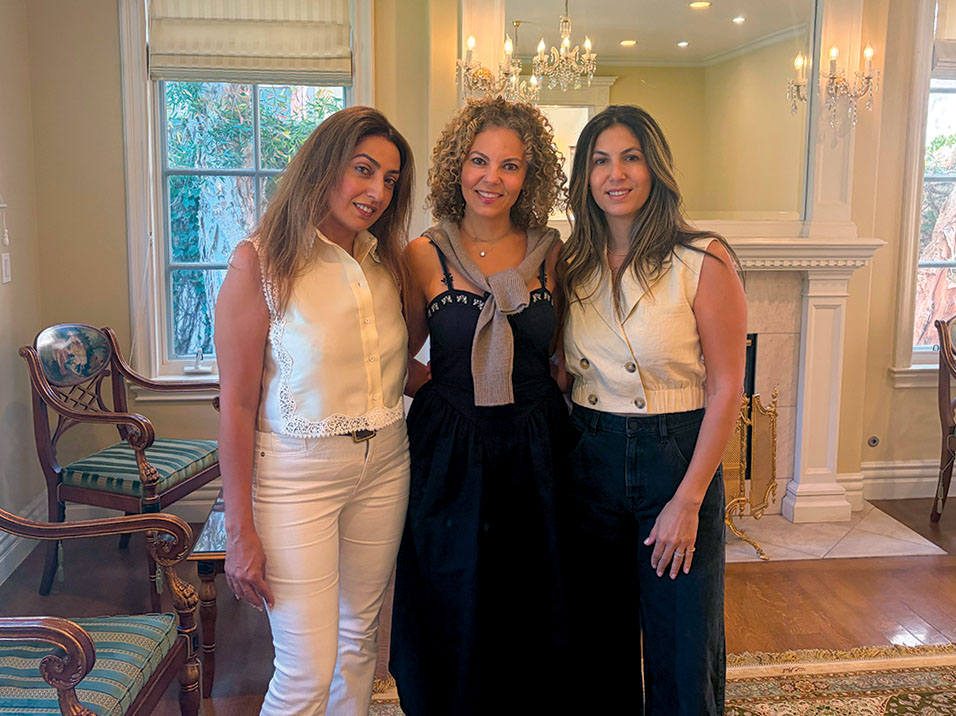
In conversation with award-winning writer Tabby Refael, known for her insightful and probing interviews, the Crown Prince delved into the complexities of Iranian society, the challenges of exile, and the hope that drives movements for freedom and reform. Refael’s questions, informed by her own experience as an Iranian-Jewish refugee and profound social analyst, brought into focus the human stories behind headlines, inviting the audience to engage not only with policy but with the personal journeys that shape history. Their exchange served as a reminder that visionary change is often born of candid conversation and the willingness to listen with empathy.
As Rosh Hashanah invites us to reflect and renew, so too does the conversation ignited at USC point toward the transformative power of hope in shaping the Middle East. The holiday’s shofar—a call to awaken the heart—finds its echo in Pahlavi’s appeal for a future defined not by old grievances, but by shared dreams held by all of Iran’s native populations that have suffered greatly under the tyrannical rule of the Islamic Republic.
In a region where peace has long seemed elusive, the Cyrus Accords proposal stands as a testament to the enduring belief that, with vision and perseverance, even the most entrenched divisions can be overcome. The Jewish New Year’s themes of self-examination, forgiveness, and anticipation of better days provide a spiritual framework for imagining the region anew. In this sense, the intersection of Rosh Hashanah and Reza Pahlavi’s advocacy is more than coincidence—it is a convergence of hope, a reminder that history bends toward renewal when guided by courageous hearts.
In a region where peace has long seemed elusive, the Cyrus Accords proposal stands as a testament to the enduring belief that, with vision and perseverance, even the most entrenched divisions can be overcome.
Hundreds of students, faculty and community members watched as Reza Pahlavi, standing on a stage far from his homeland, spoke of bridges yet to be built and promises yet to be fulfilled. As the season of Rosh Hashanah renews its message of hope, we are all called to believe in the possibility of a new dawn for the Middle East—one founded on dialogue, vision, and the enduring power of the human spirit. In the words that close Alexandre Dumas’ “The Count of Monte Cristo”:
“Until the day when God will deign to reveal the future to man, all human wisdom is contained in these two words — wait and hope.”
At this turning point in history, may we each carry forward the wisdom to wait with patience and to hope with conviction, believing that renewal and peace remain within our collective grasp.
Lisa Ansell is the Associate Director of the USC Casden Institute and Lecturer of Hebrew Language at Hebrew Union College-Jewish Institute of Religion Los Angeles.