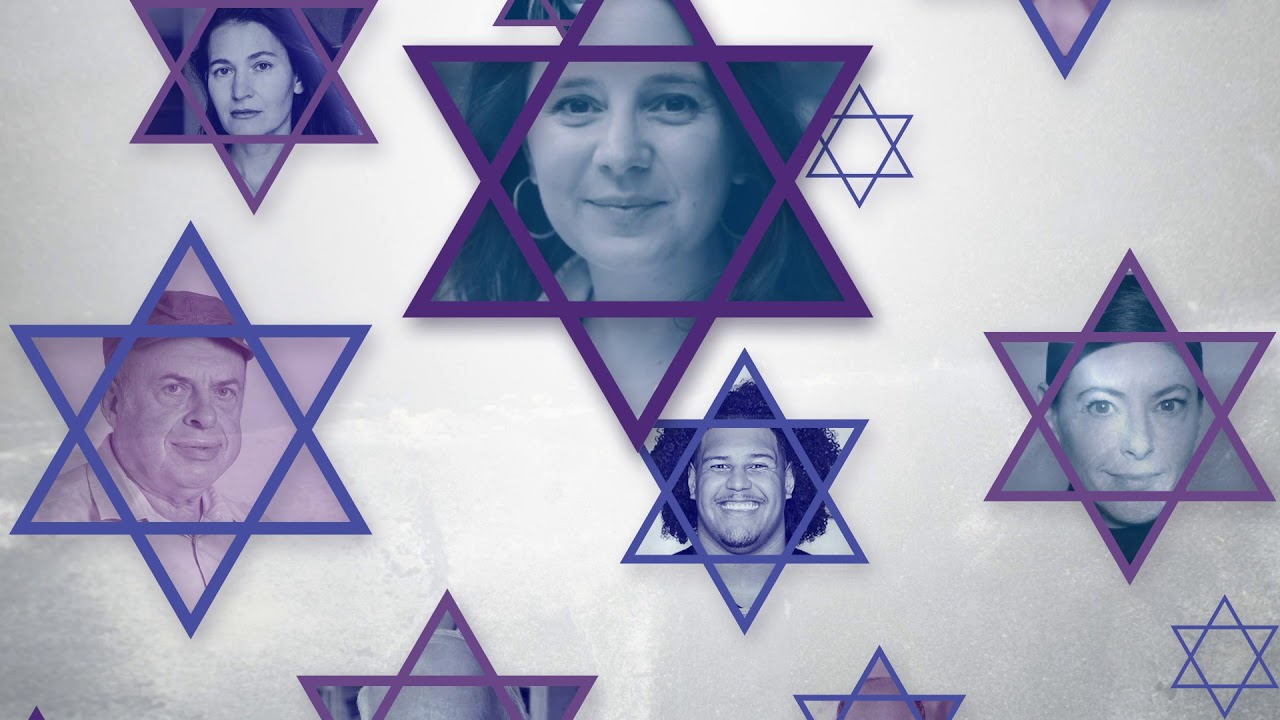
Since 2015, the Z3 Project— an initiative of the Oshman Family JCC in Palo Alto— aimed to promote a stronger relationship between Diaspora Jewry and Israel through various educational and philanthropic efforts. This year, the Z3 conference that usually attracts thousands of people together will be virtual. From Dec. 10 to Dec. 17, the event is aligning with the eight days of Hanukkah.
Titled, “Visions of a Shared Future,” attendees can expect speakers of all backgrounds to discuss one of the seven unofficial core pillars of the Jewish people each day of Hanukkah. Rabbi Amitai Fraiman, director of the Z3 Project at Oshman Family JCC, calls these pillars TACHLIS: Tikkun Olam; Arts + Culture; Community; Holidays, Rituals and Shabbat; Learning and Education; Identity; and Safety and Security.
“Are these seven a definite list? No. I don’t think anyone has a definitive list,” he said. “It’s a guiding framework and a grounding framework for what we are discussing. [These are the] broad buckets we share…as a common peoplehood.”
The MainStage events all fall under one of the TACHLIS pillars. Events include “Zoom, Zionism, and the Fiction of Promised Lands;” “Judaism in the COVID Era;” “The Tensions that Connect Us;” “Israel in Movies;” “Chanukah Stand-up Show with Comedian Benji Lovitt;” “The New Town Square: Talking Israel and Identity in the Media,” and “New Notions of Identity,” to name a few. For a full lineup visit the website.
Noam Weissman, senior vice president of global media non-profit OpenDor Media said their team collaborated with Z3 this year to create multi-media content to enhance the virtual conference.
Each day of Hanukkah will bring panel events around the world. Speakers include athletes Sue Bird, Alysha Clark, Zach Banner and entrepreneur Ben Orbach; Israeli author Micah Goodman; White House speechwriter Sarah Hurwitz, author Yossi Klein Halevi, author and podcaster Abby Pogrebin, Labor Party Knesset member Merav Michaeli, Pulitzer prize-winning journalist Anne Kornblut and journalist Bari Weiss, to name a few. Altogether, Z3 is putting on 60 events all week long in 30 communities worldwide.
This is Zach Banner’s first time attending a Z3 Conference. The offensive tackle for the Pittsburgh Steelers told the Journal via email that it was an honor to be invited. Especially, having the opportunity to speak alongside Sue Bird and Alysha Clark (both Israeli-American WNBA basketball players who play for the Seattle Storms) for their panel “Athletes, Advocacy, and Tikkun Olam” which kicked off the conference Dec. 10. In July, Banner called out Philadelphia Eagles’ wide receiver DeSean Jackson for misquoting Adolf Hitler. Since then, he has devoted his platform to tackling anti-Semitism in addition to racism and all forms of hate.
“When I learned that ‘Tikkun Olam’ means ‘repairing the world,’ that really spoke to me,” Banner said. “This year when I spoke up against anti-Semitism, and really all my work through my B3 Foundation, [it] is about community. We heal the world through community, through listening, through seeing all the things we have in common. I’m looking forward to joining these women as we discuss how athletes are using their platforms for change.”
Activism is a major force of this year’s conference. Fraiman believes the Diaspora not only needs to join in worldwide social justice causes once but actively find ways to incorporate it into their daily lives. One of the ways Z3 is doing is this is by letting attendees decide where Z3’s ticket sale proceeds should go.
Fraiman believes the Diaspora not only needs to join in worldwide social justice causes once but actively find ways to incorporate it into their daily lives
“They will vote on how to allocate that money to organizations in the real world. This exercise in direct democracy is other people take content that they are consuming throughout the week and then they get to vote on behalf of the content on how to allocate this pot of money that belongs to everybody. It is shared peoplehood. It doesn’t matter if we align religiously, geographically or politically. We are making these decisions based on needs.”
So much has changed globally since their last conference in Los Angeles back in January. Fraiman said that the Jewish people need to “lean into change” to better evolve as a people.
He hopes multiple conversations take place throughout the eight-day conference that helps build on the understanding that all Jews are different and should be celebrated as well as the similarities. Allowing room for discomfort and important conversations is essential so the Jewish community can grow stronger.
“We’re all connected regardless of where we are from,” he said. “The pandemic accelerated that. We need to lean into the changes and challenges of this moment. Let’s talk about it all. There are problems everywhere including Israel. Let’s address the problems.”
The Z3 director said it’s inherently Jewish to argue and engage in discussions and to stop now would be highly unrealistic. Rather than avoiding them altogether, he hopes Z3 becomes a central meeting place for conversation, engagement and activism.
“There’s a sovereign state of Jews. That’s a fact. There’s a lot of fixing that needs to be done but how does that impact your life?” he asks. “What does that mean living as a minority in one of the most powerful nations in the world? How does it impact your identity? How do I define my [Jewishness] and how do I define that for myself?… There isn’t one right answer for everything so we keep on studying and arguing with ourselves and others. That tension brings out the best in others.”
The Z3 Conference is taking place virtually now until Dec. 17. For more information on tickets, panels and times, visit the website here.