
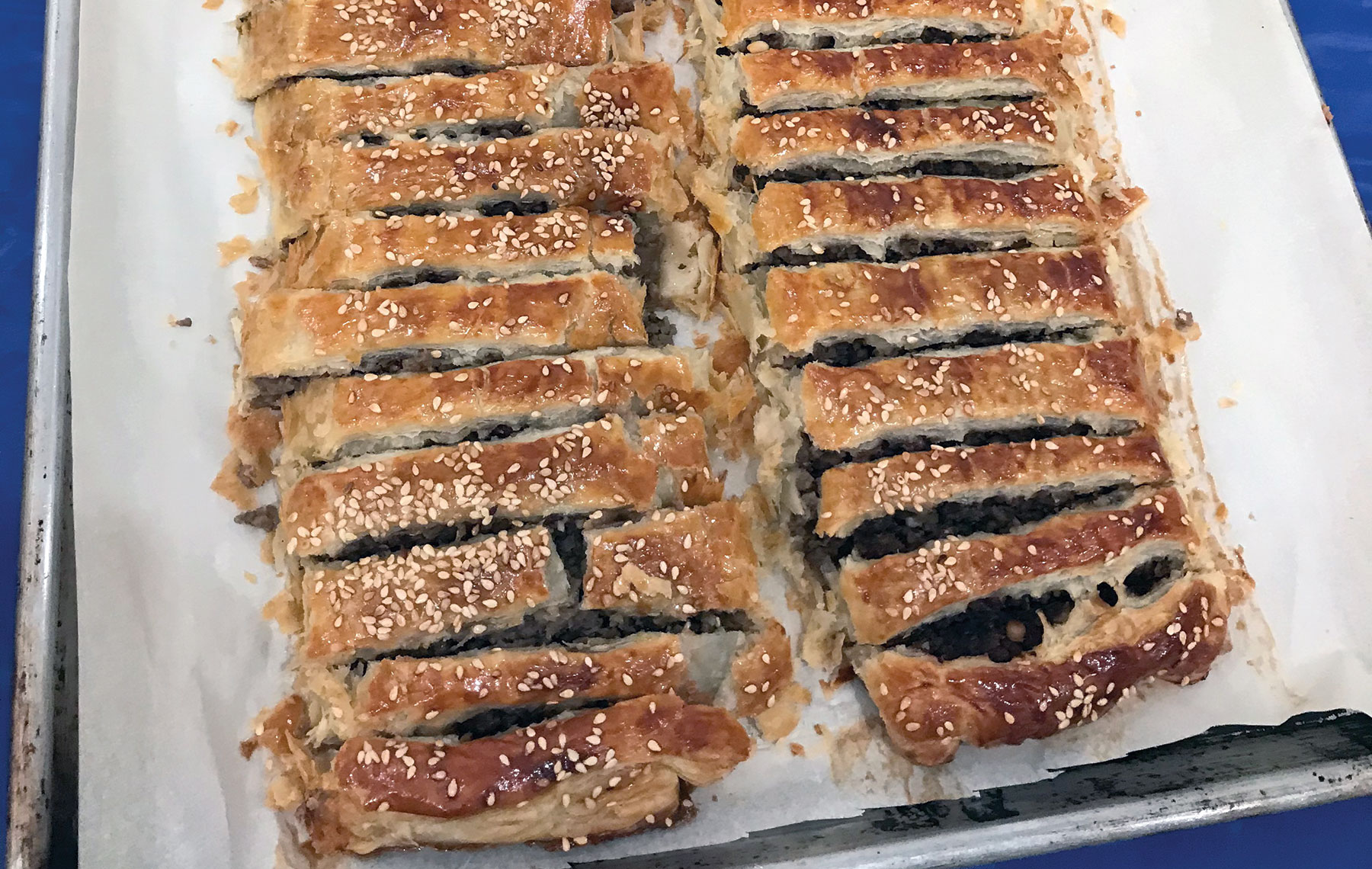
 Bourekas made by
Esther Avrahamy. Photo by Erin Ben-Moche
Bourekas made by
Esther Avrahamy. Photo by Erin Ben-Moche There’s more to Hanukkah food than Ashkenazi potato latkes and sufganiyot, and the Sephardic Educational Center (SEC) wants to help change that narrative.
That’s why around 100 women gathered at Kahal Joseph Congregation on Dec. 16 to share and taste 11 Sephardic and Ladino recipes in preparation for the eight nights of Hanukkah.
The recipes hailed from around the globe, including Spain, Turkey, Iraq, Morocco, Israel, France and Syria.
Longtime SEC member Sharon Gomperts emceed the evening. She told the Journal she provided an Iraqi frittata recipe for the cooking demonstrations that also featured Kahal Joseph president Yvette Dabby, Betty Sassoon, Esther Avrahamy, Laurence Wannon, Sharona Shabtay and Rachel Emquies Sheff.
Sheff maintains the SEC’s food page on Facebook, where she welcomes posts about Ladino and Sephardic recipes. “We are just a group of friends who love to cook,” Gomperts said.
Sheff told the Journal the SEC held a smaller, Rosh Hashanah cooking demo over the summer at a friend’s home with 50 attendees. It was so successful that Sheff’s friends convinced her to make it bigger so more members of the community could attend and learn how to make Sephardic dishes in their own homes.
“We’re not professional,” Sheff said. “We just want to get together and share with each other what we make at home.”
Each chef chose to make a comfort food recipe. Sheff made rosquitas and burmuelos doughnuts; Gomperts and Dabby made a vegetarian Iraqi aruk (like latkes); Shabtay made Matbucha salad (cooked with tomatoes and roasted peppers); Avrahamy made Israeli beef bourekas; Sassoon made Moroccan fish; and Wannon made Poulet aux Olives (chicken with olives).
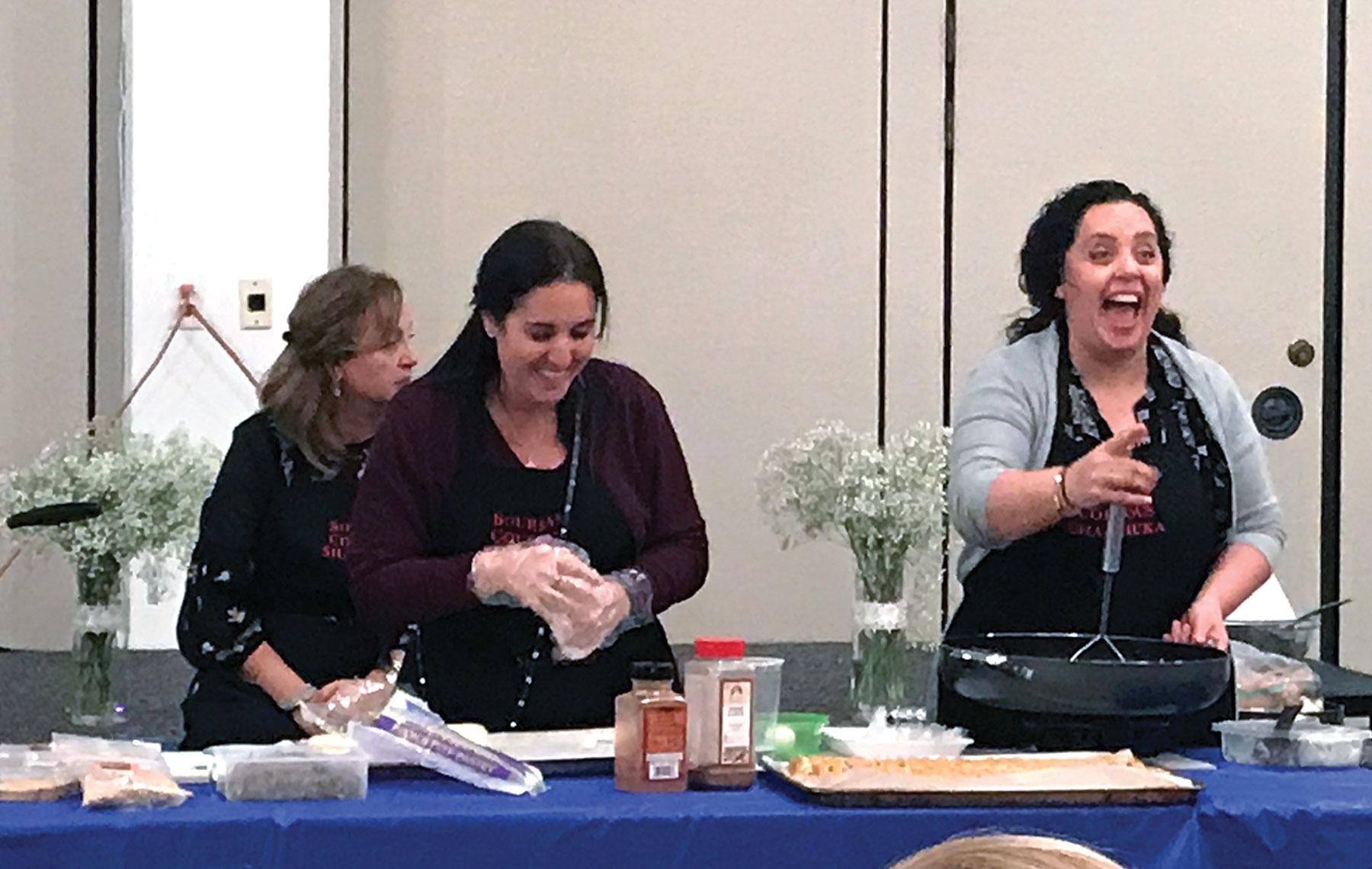
During the demonstrations, the women provided laughs, modifications and stories to accompany their preparations. Ultimately, their winning recipes were the ones that usually fed hungry children, picky eaters, grumbling tummies or accommodated food allergies.
While the homegrown chefs showed off their skills, the audience followed along in recipe booklets provided by the SEC, where they could take notes, make modifications and write questions.
Shabtay made almost everything from scratch when preparing her Matbucha salad. That included hand-mashing 4 pounds of Roma tomatoes. When asked if canned tomatoes could be used as a substitute, she replied, “You can use canned tomatoes but don’t tell my mom. She’ll kill me.”
Dabby and Gomperts reminisced about Shabbat meals when creating the Iraqi potato and bell pepper aruk. Dabby said while hers were vegetarian, meat can also be incorporated, but she made one thing certain: “Right off the pan, it’s gonna be eaten.”
“That’s the beauty of food,” Gomperts added. “It brings people together.”
Avrahamy eyeballed lots of spices including allspice and cinnamon in her meat mixture for her foot-long bourekas. While not everyone puts in a lot of spices, if any, in boureka meat, she said, “I’m Syrian. I add allspice to everything and I just love it.”
Each recipe had multiple variations because every woman in the room made each recipe differently, and would say so. The phrases, “Well, I usually do this” and “I do that” were heard often during each demonstration. Audience members added quick tips to their notes taken from both those doing the demos and simultaneous comments by those in the crowd around them — something you wouldn’t see on a Food Network cooking show.
“This is a community cooking class,” Sheff told the attendees. “We’ve never taught a class before, but we hope to do more and that some of you will [one day] be up here.”
The demo concluded with dessert made by Sheff. While she quickly created the dough for rosquitas cookies, she saw people appear timid to take on a “tricky” dough. “This recipe is foolproof,” Sheff promised. “There’s no real way to mess it up.”
Sheff said the Spanish dessert came from her mother. “We basically had no recipe until a few years ago,” she said. Because there were so many out there, she created a recipe that resembled what she grew up with and shared with the masses.
Many women jotted details as their mouths watered over the warm and inviting aromas that circulated the hall. Molly Jalali told the Journal that she loves coming out to the SEC food demos because she gets to taste all the food that is made.

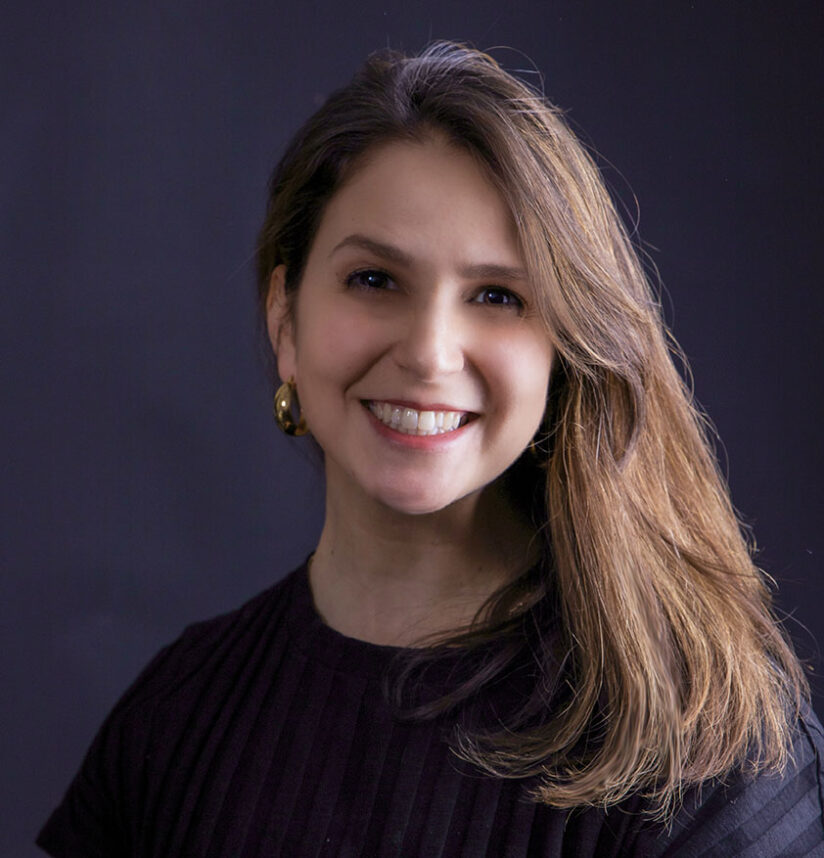
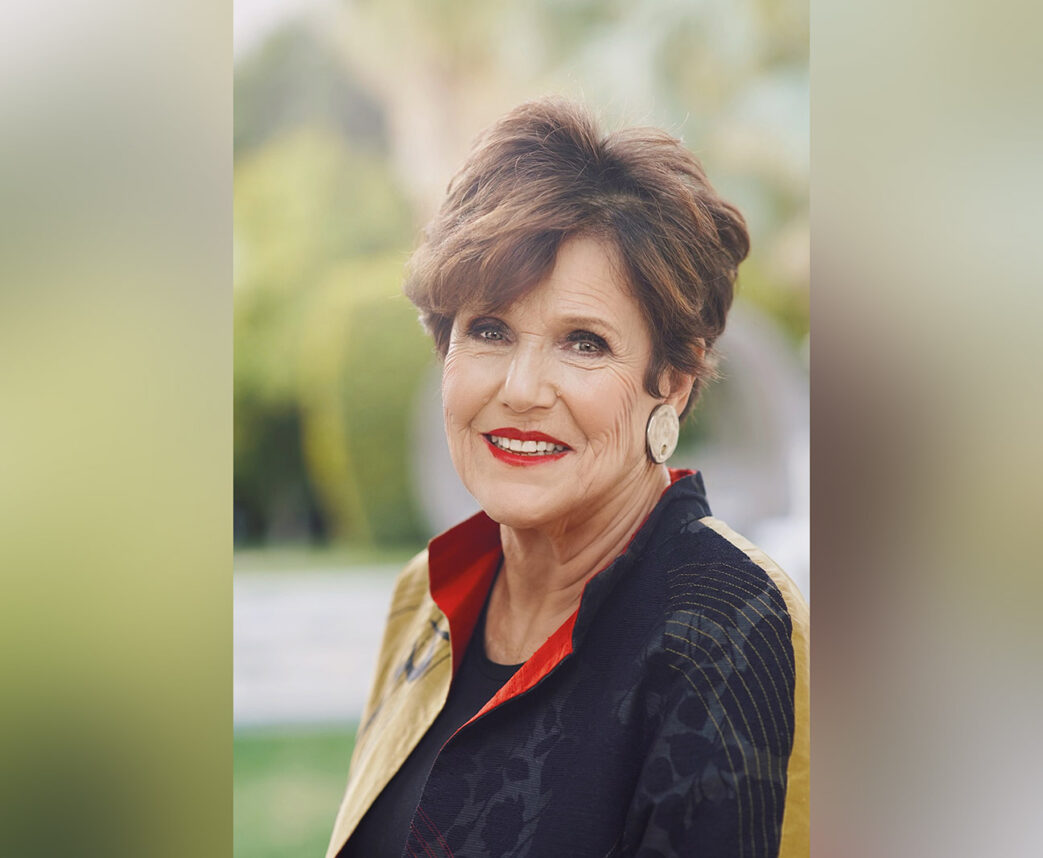
Rachel Emquies Sheff. Photo by Erin Ben-Moche
“We’re Sephardic,” Jalali said. “Could you imagine showing us the food but not letting us eat it? I go to other cooking demos. They don’t let you eat. Here, they do. It’s like going to a [jewelry store and] you look at the diamonds and you keep them.”
Jacalyn Shalom and her friends were excited to be at the Hanukkah cooking event because it was their ladies’ night outing.
“It’s nice to get out in the evening and [have] women friends, hanging out with women friends,” Shalom said. “The Moroccan fish [recipe] I knew, but the doughnuts were new, the chicken and olives were new. I think most of them are new. I’m looking forward to [trying them.]”
Sheff, who oversaw the event, is a believer in trying new recipes and wants others to have the confidence to do so. “Don’t be afraid,” she said. “It’s delicious and it’s something different than what you’d normally see.”
For more information on the SEC, visit their website.














 More news and opinions than at a Shabbat dinner, right in your inbox.