










The approach of Rosh Hashanah always takes me back in memory to my bar mitzvah, which took place on Shabbat Shuvah — the Sabbath of Repentance that comes
between Rosh Hashanah and Yom Kippur.
Two weighty questions preoccupied me that day in 1964. One: what did it mean that God called Jews and the world to “repent” or “return,” because all of us had “stumbled in sin?” The prophet Hosea, whose words I chanted that morning, insisted in God’s name that God cared about how we treated one another, and that we could all do better.
He promised that God would help us do better if we turned to the task. I marveled at this promise. It was and remains a great mystery to me.
The other big question on my mind that September day in Philadelphia was whether the Phillies, under manager Gene Mauch, could hold on to their position atop the National League and win the pennant for the first time in my life.
The optimists among my friends took victory as a near-certainty. The Phillies were six games ahead. Things looked really promising.
The pessimists warned that the team would blow it. It turned out that they were right. The Phillies lost 13 of the next 20 games.
This, too, was a mystery to me. Was it bad pitching, bad managing, bad luck? Maybe it was fate.
I bring up the connection between Rosh Hashanah and the Phillies because it gets to the heart of what the Jewish holidays mean to me each fall. In a word: it’s not fate. How things go is largely up to us, even if we do not control the circumstances of our lives.
The New Year is a time at once joyful and solemn for Jews, because it marks a new beginning for each of us. It carries the assurance that we all do get a second chance and urges us to seize hold of it.
The world, too, can be better than it is — a hope desperately needed this year. We have witnessed so much suffering in the Middle East and elsewhere — so little peace for Israel or Iraq, Darfur or the Congo.
I can still chant by heart, thanks to months of practice for my bar mitzvah, Hosea’s promise that we can change this: “The person who is wise will consider these words. The person who is prudent will take note of them. For the paths of the Lord are smooth. The righteous can walk on them.”
Hosea urged Jews more than 2,500 years ago to “blow a shofar in Zion” so as to call the people to turn and return. Jews still blow a ram’s horn at Rosh Hashanah for exactly the same reason. We need to hear loud and clear, again and again, the message to which it summons us.
Many interpretations have been given to the notes struck by the horn, but the one that means the most to me is this. The shofar’s first sound, tekiah, is a wake-up call. It calls us to attention. Look around, it says. Things are not OK. Your work is needed to set them — and yourself — right.
The second sound made by the shofar is called shevarim, or “breaks.” The world is broken. The horn imitates its cries, preventing us from stopping up our ears or our heart.
Teruah, a series of short blasts one after another, gives us marching orders. Change requires small steps that each of us has to take modestly but with determination. Overreaching will not work.
The shofar-blowing ends with a return to the first notes, longer this time — a “great tekiah.” It lets us know what victory sounds like. We can change our ways. So can the world.
Honesty compels each of us to concede that we’ve tried before to turn things around and haven’t managed it. Experiences of failure haunt all of us, not just fans of the 1964 Phillies. That’s why we need Rosh Hashanah each year to remind us that this beginning can be different.
May we all heed the shofar’s call this year and prove that the world, which so needs fixing right now, can be made better — and that we can make it so.
Professor Arnold M. Eisen is chancellor-elect of the Jewish Theological Seminary.
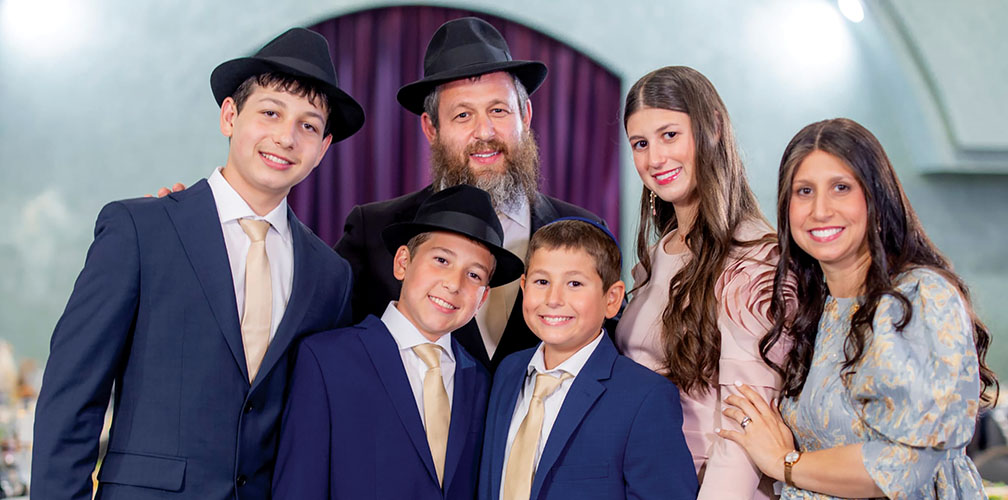

After weeks of holiday feasting and heavy meals, the new Jewish year is a perfect time to reset, to nourish our bodies with food that is wholesome and still tastes delicious.
Dwight Stones, who was born in Los Angeles and is Jewish, has long been a strong supporter of Israel.
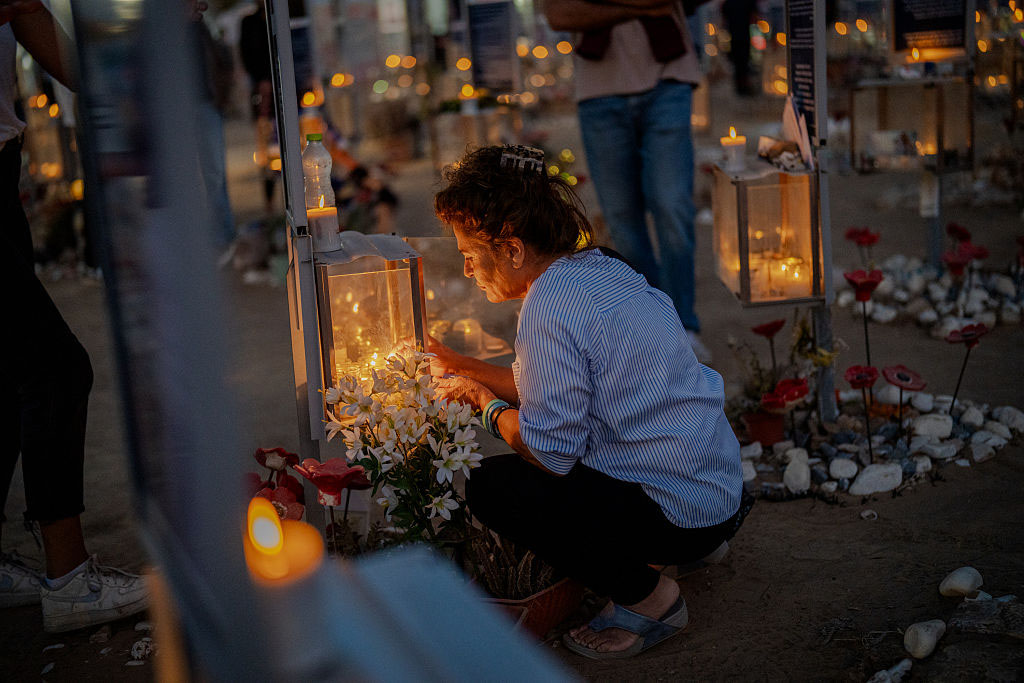
Even as we mourn everything we’ve lost, let us also remember the moments of hope and healing — moments that restore our faith in humanity’s promise.
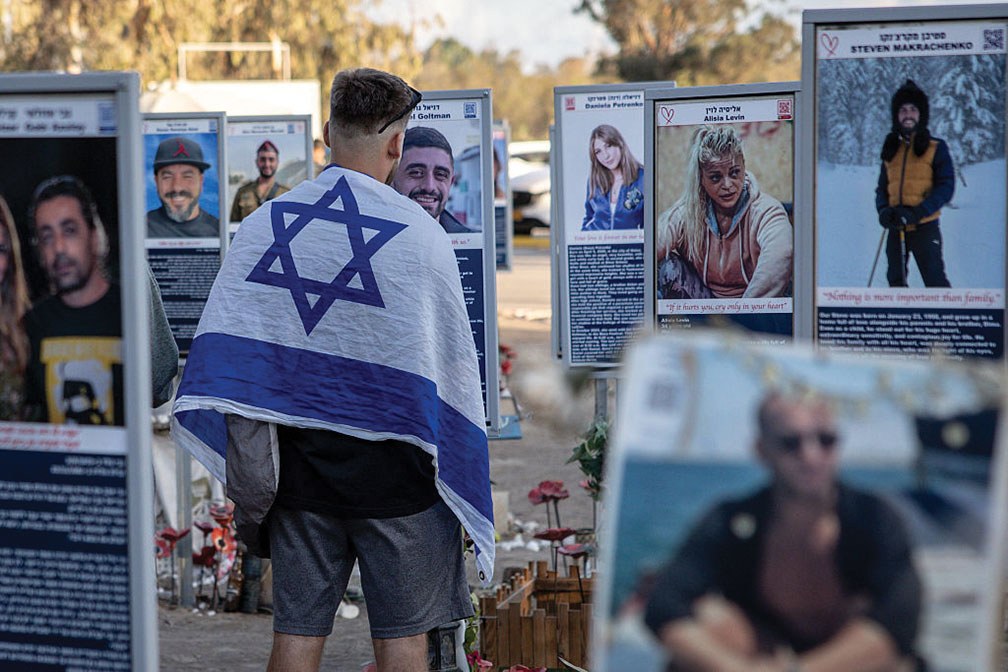
October 7 is a day that already reverberates powerfully in the consciousness of every Jew. But the meaning of it has yet to be deciphered.
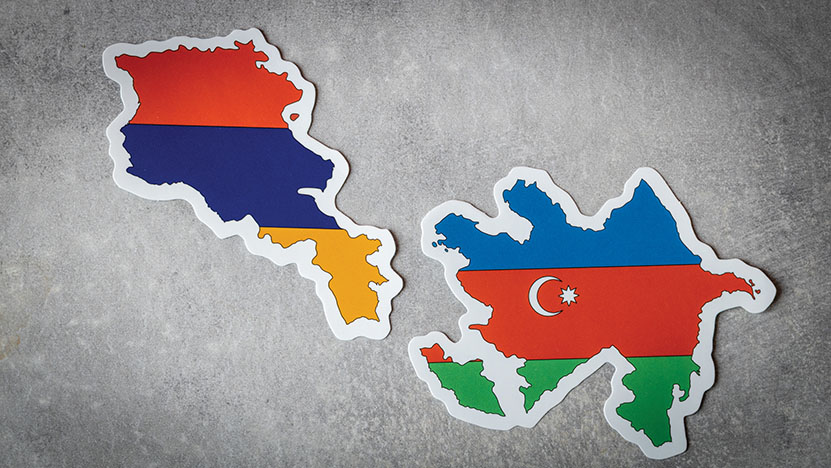
For Israel, and for everyone who believes that seemingly permanent conflicts need not remain permanent, what is unfolding in the South Caucasus deserves to be recognized, encouraged and protected.
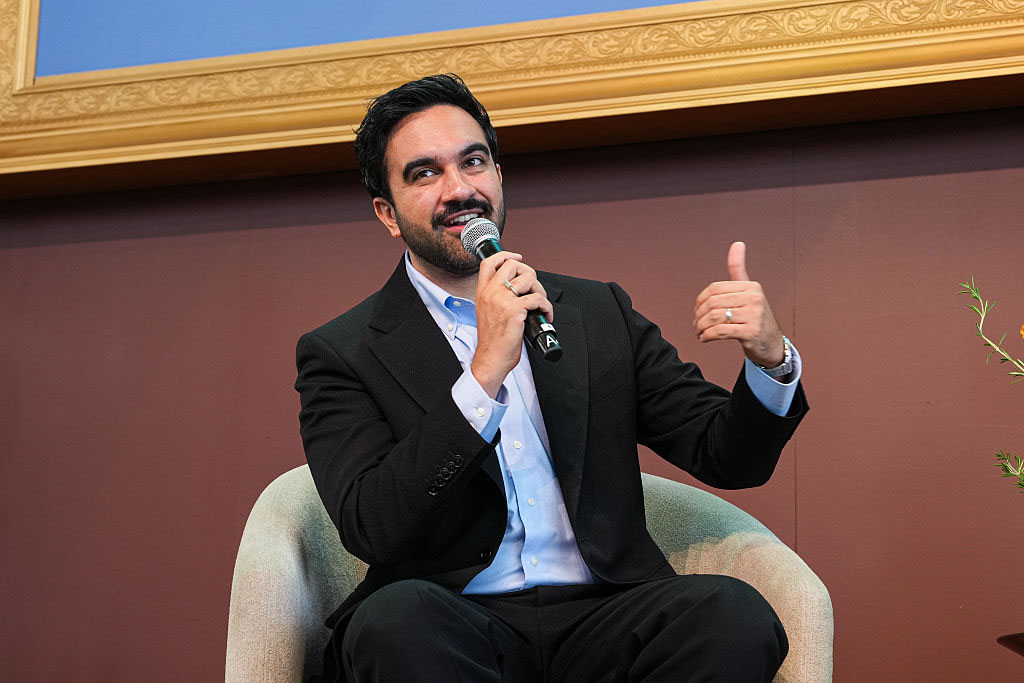
Even on this singular day to honor the victims of Oct. 7, the mayor kept the poison coming.

I stood there in awe, my eyes blurring with tears, listening to the hush and experiencing the unnamed. I couldn’t tell which was stranger: feeling the rainforest in me, or me in the rainforest. And then my phone rang.
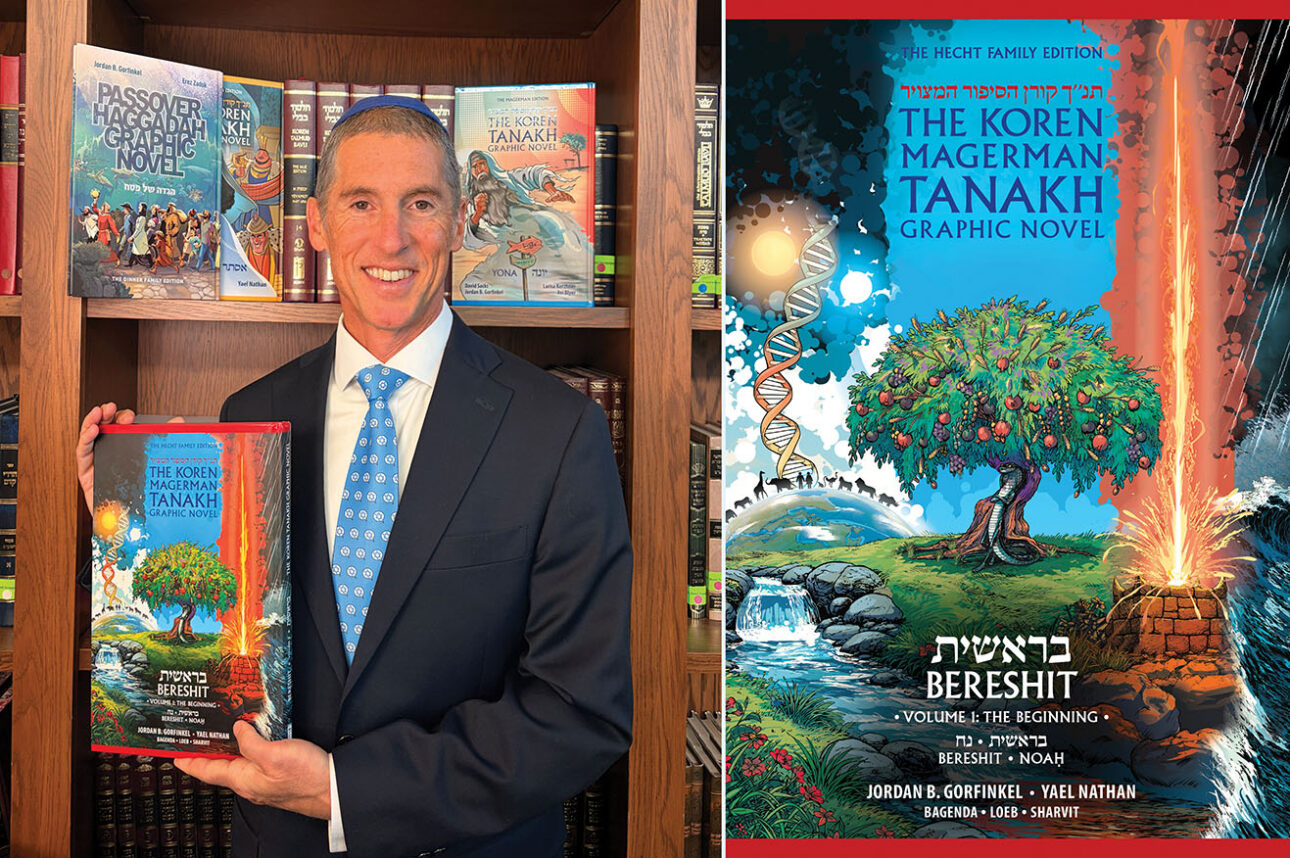
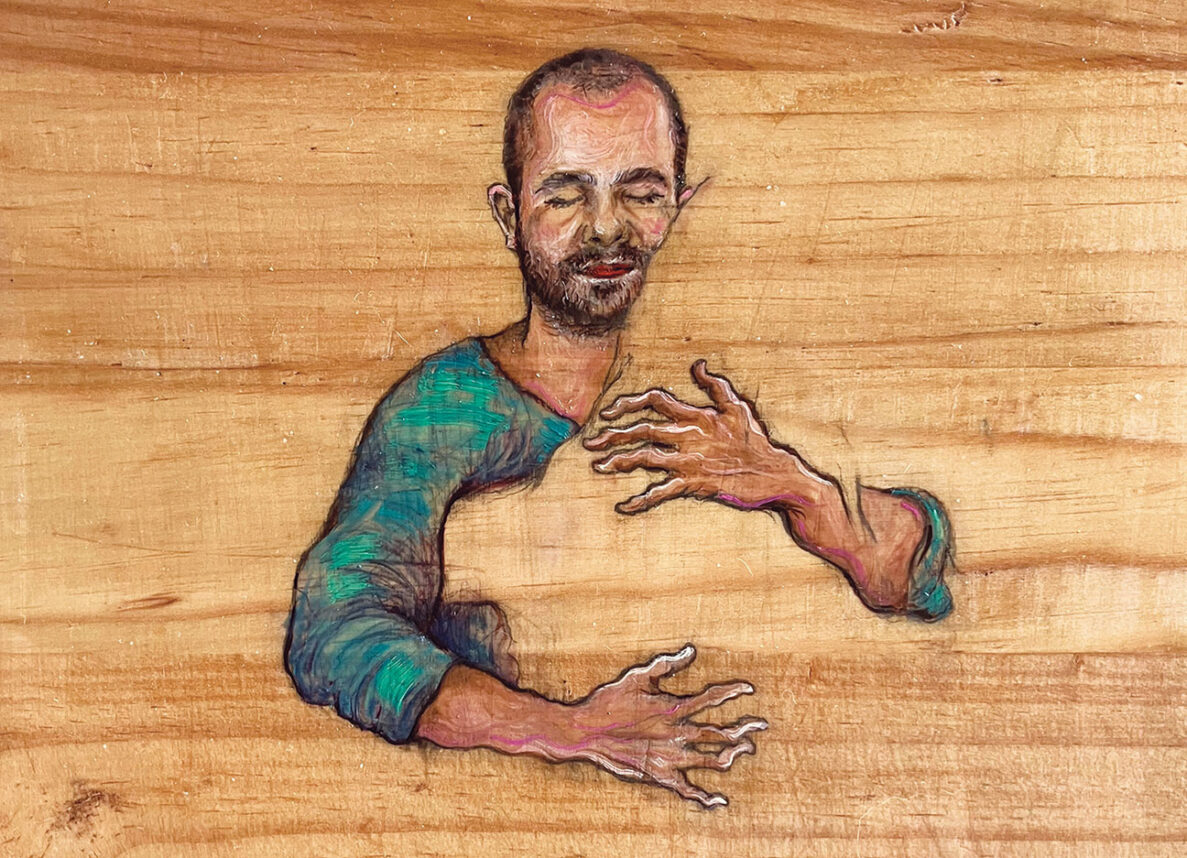
Following on the heels of his earlier presentations of the Passover Haggadah and the books of Esther and Jonah, Gorfinkel, known to his friends as “Gorf,” along with Israeli illustrator Yael Nathan and a team of specialized artists, have produced “The Koren Magerman Tanakh Graphic Novel: Bereshit Vol. 1,” which renders the first two Torah portions in Genesis, Bereshit and Noah, in dynamically engaging visual narrative form.
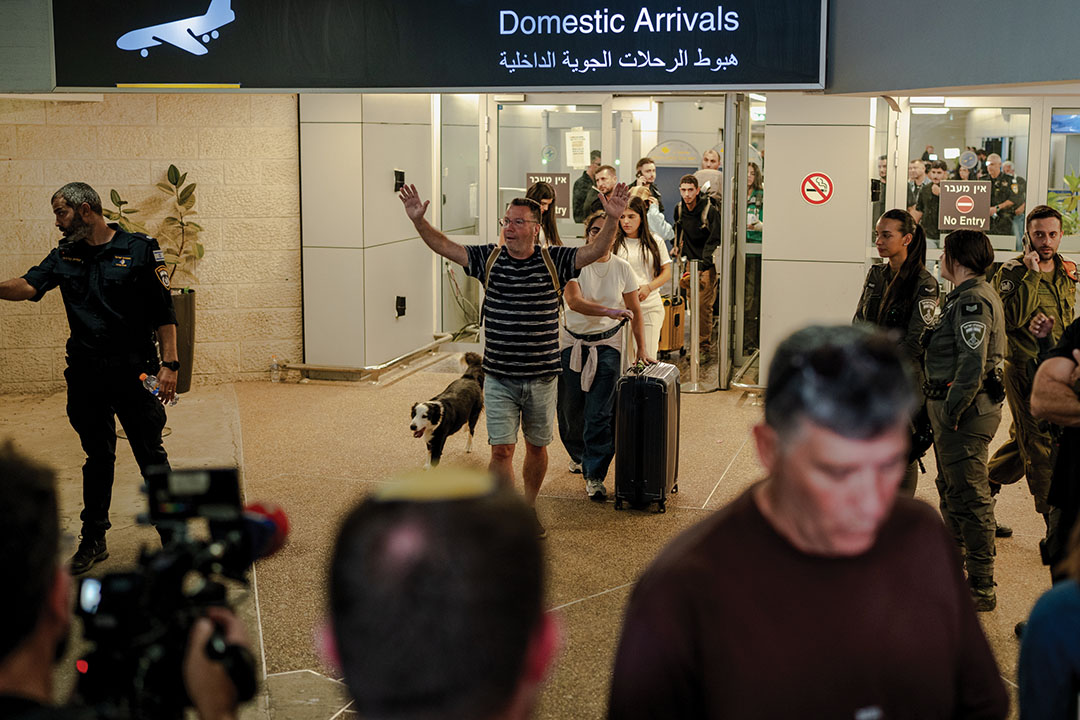
FZ1073 has a message for the world. For the terrorists striving to take innumerable Israeli lives and make the survivors’ lives unbearable, the message is that your love of death will never diminish our love of life nor make us any less determined to defend it.

A career becomes more rewarding when it supports rather than consumes the rest of life. Wealth becomes more meaningful when it creates security and enables generosity.
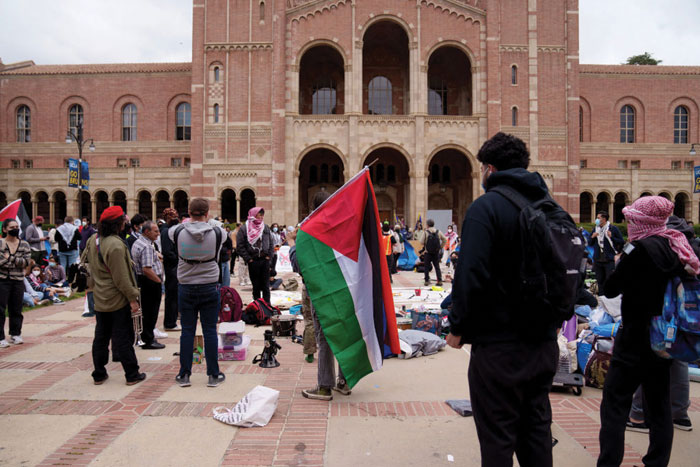
Students like me have come to understand that pro-Israel students being othered is the new campus normal. It shouldn’t be.
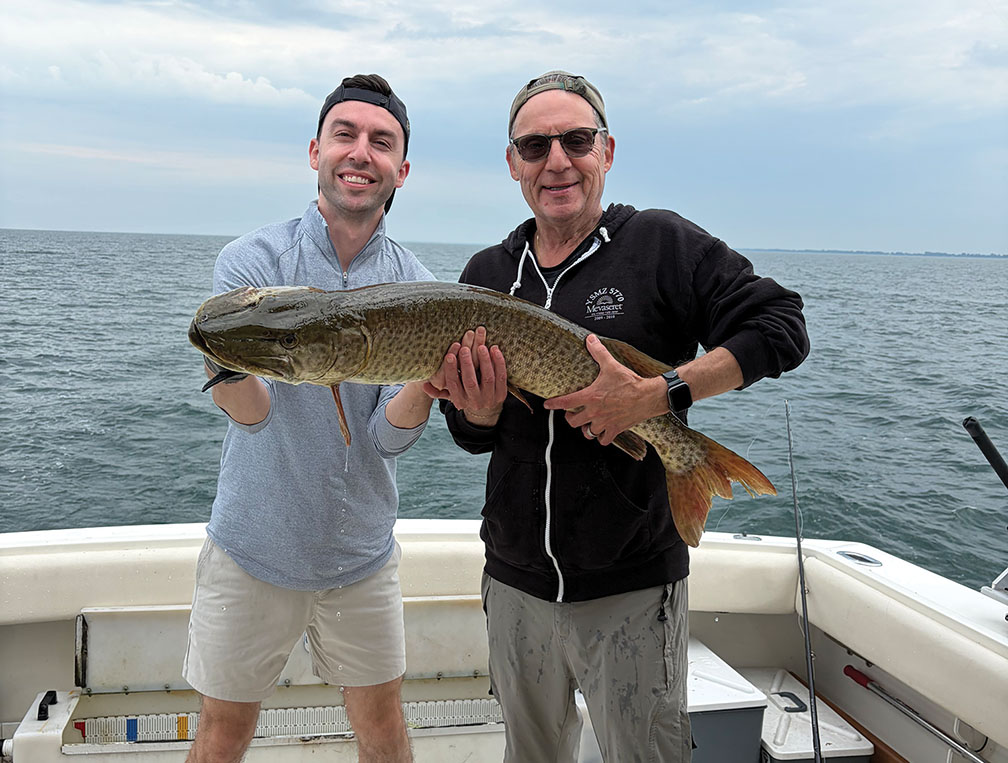
I just completed a project I started in November 2023: taking each of my three sons on vacation separately.
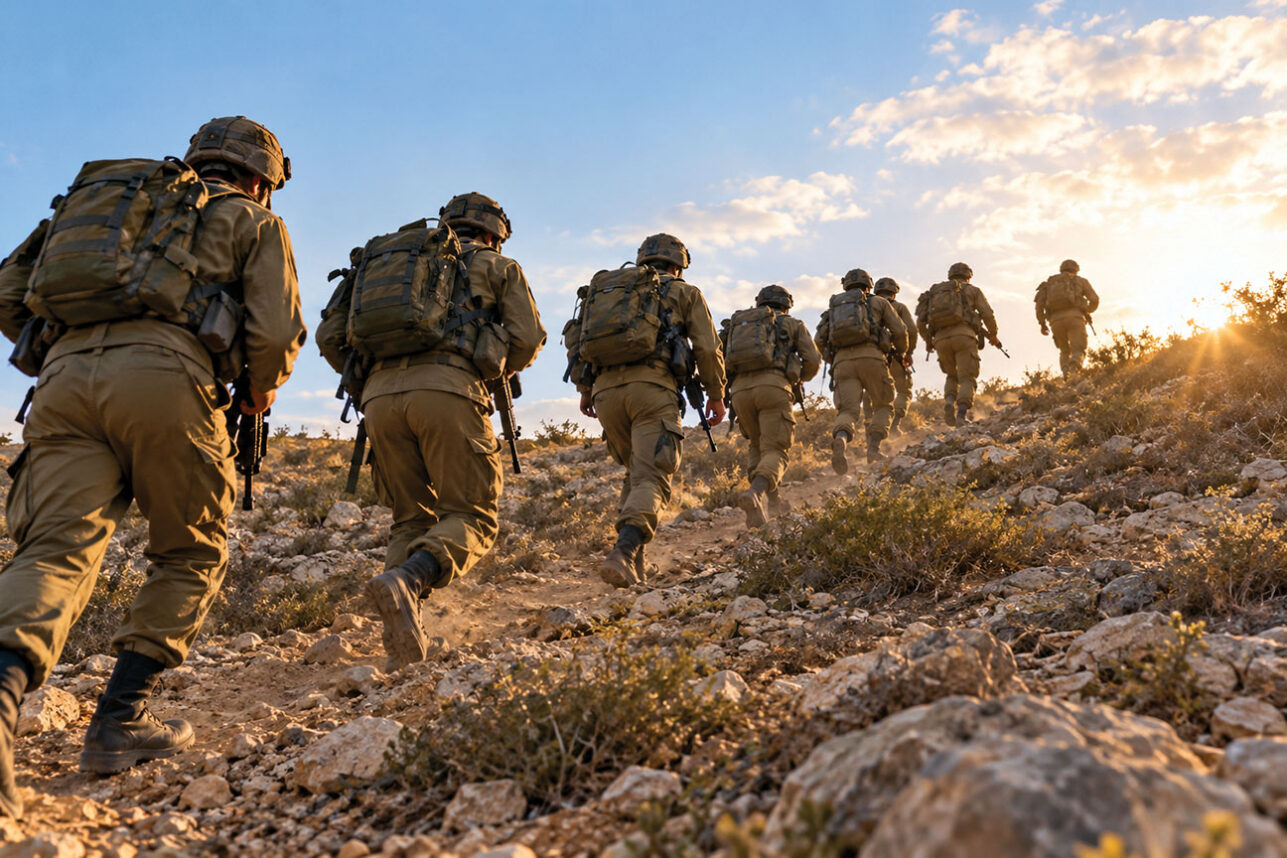
More than half a century later, I remember the punishing hills, but I also remember the chaplain who saw a brother rather than merely a soldier, and a Jewish community that made a young man from Cherry Hill, New Jersey, feel at home.
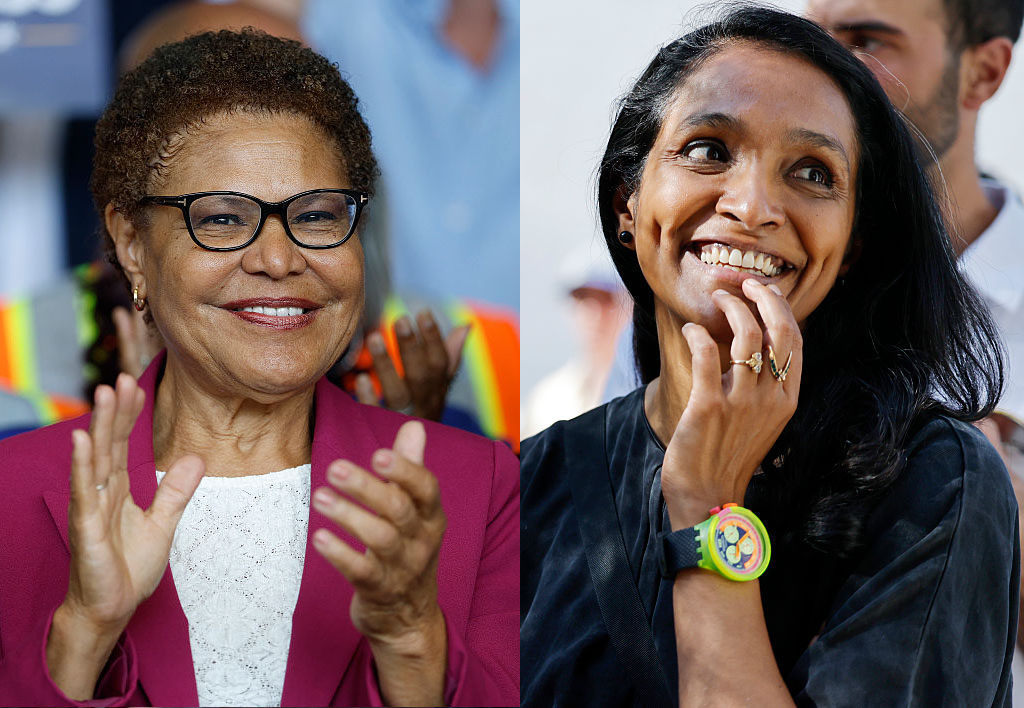
Raman repeated her previously-stated opinion that the Israeli military’s efforts to protect its country’s people from terrorist attack constituted genocide. Bass said that it did not.

In the beginning God creates the heavens — the universe — something very, very, very big.
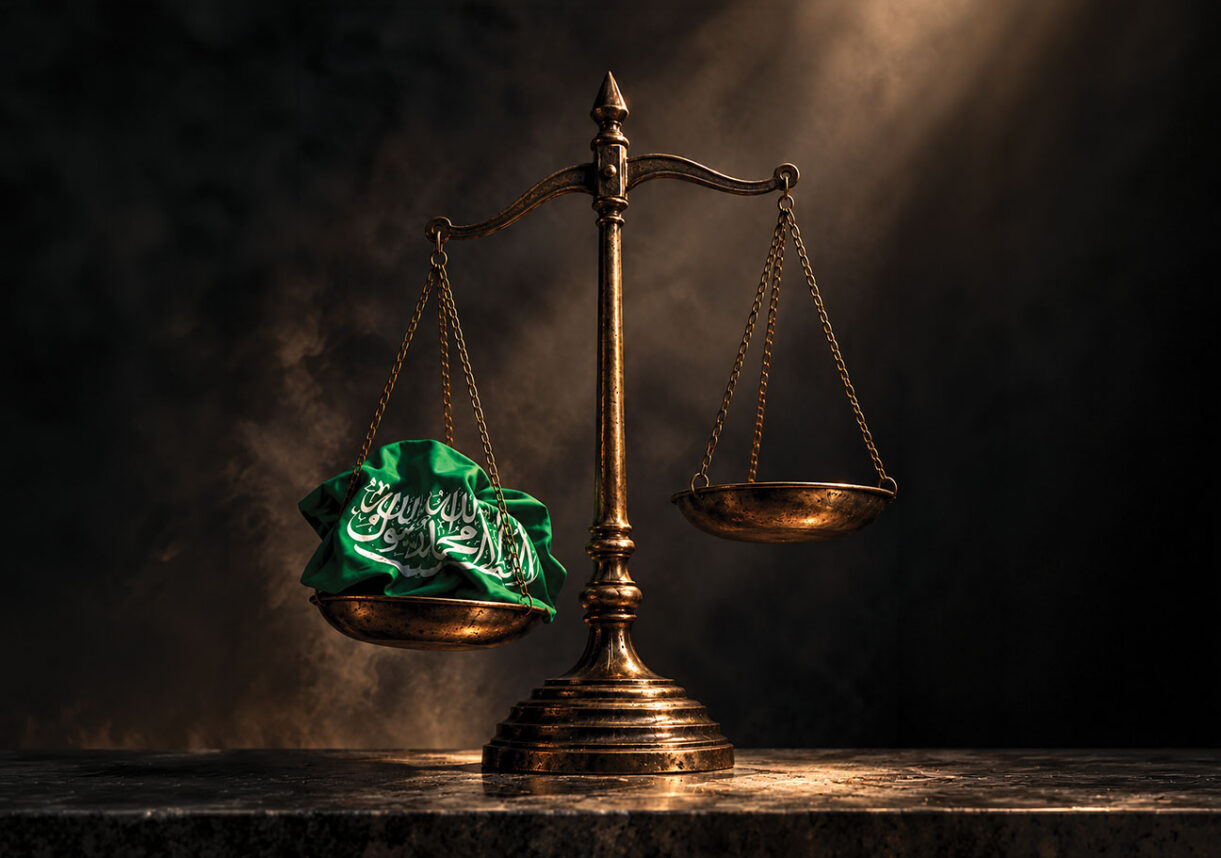
Was a single day’s attack, no matter how savage, too brief to qualify as genocide? It turns out that duration has never been the legal test.
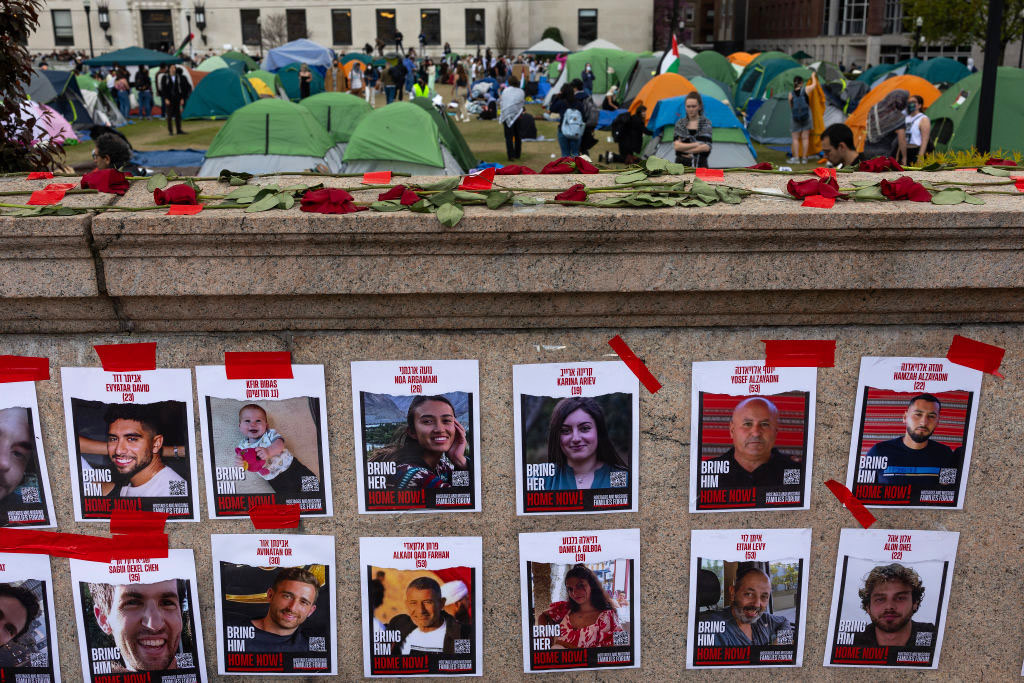
The war in Gaza may be in abeyance, but Islamist expansionist ideology has shown great gumption and forward movement. All the crazies have come out since October 7, 2023.
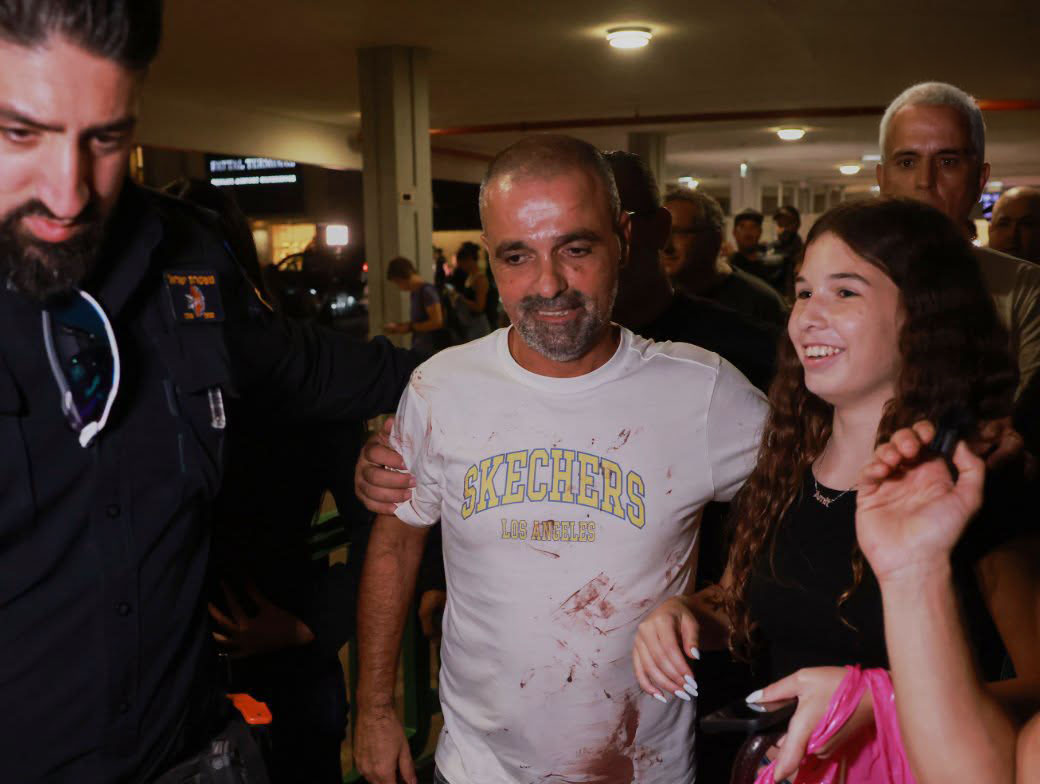
Perhaps Sept. 30 showed up right before we paid tribute to Oct. 7 to deliver this message: Remember the tragedies but never forget the miracles.
