“I learned a lot from WikiLeaks,” David Remnick, editor of the New Yorker magazine, told a full auditorium at UCLA’s Anderson School of Management when he spoke on Jan. 30 at the 10th annual Daniel Pearl Memorial Lecture, sponsored by the Pearl Foundation, in partnership with Hillel at UCLA and UCLA Burkle Center for International Relations. “One thing I learned,” he said, “is that our diplomats are not bad.”
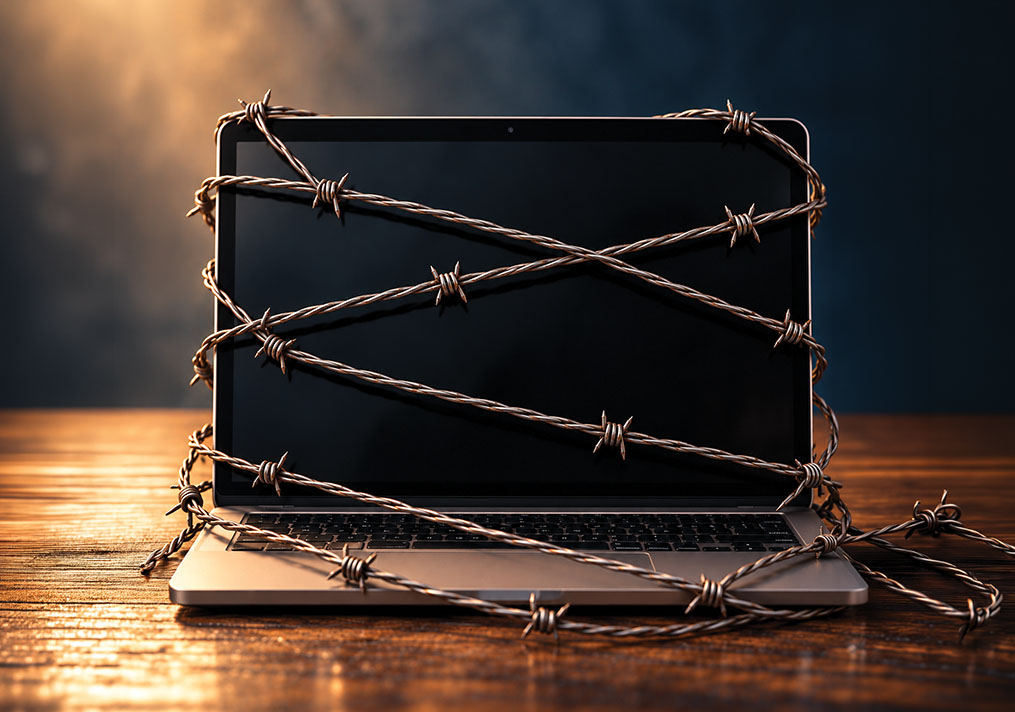
The comment came during the Q-and-A session following a talk on “Free Expression,” a topic dear to the Pearl family’s hearts in the wake of the murder by terrorists of their esteemed Wall Street Journal reporter son, Daniel. Remnick, country by country, described challenges facing journalists today, including intimidation that leads to self-censorship, imprisonment, torture and, in some cases, death. Pointing to the United States, he described the Bush-Cheney administration as having been “the most anti-press, anti-fact since the Nixon administration.” And he called Fox News a “new arm of propaganda.” President Barack Obama, about whom Remnick has authored a book, has a relationship with the press that Remnick called “less fraught.”
The obligation for a free press, in Remnick’s words, is “to exert pressure on power.” Praising The New York Times for its quality coverage, Remnick disparaged the continuing downturn in the Washington Post, Miami Herald and Philadelphia Enquirer, and called out Sam Zell, who brought into bankruptcy the Tribune Co., including the Chicago Tribune and the Los Angeles Times, in particular, for his neglect.
He called the current Republican candidates in the presidential race “comical, clownish, not serious,” adding, “There are serious conservatives, but this [race] is not serious at all. … To use a political term,” he joked, “it’s a shandah.”