Believe in the Exodus story or not, believe in the Oslo peace process or not, but you have to believe in Jewish Community Centers.
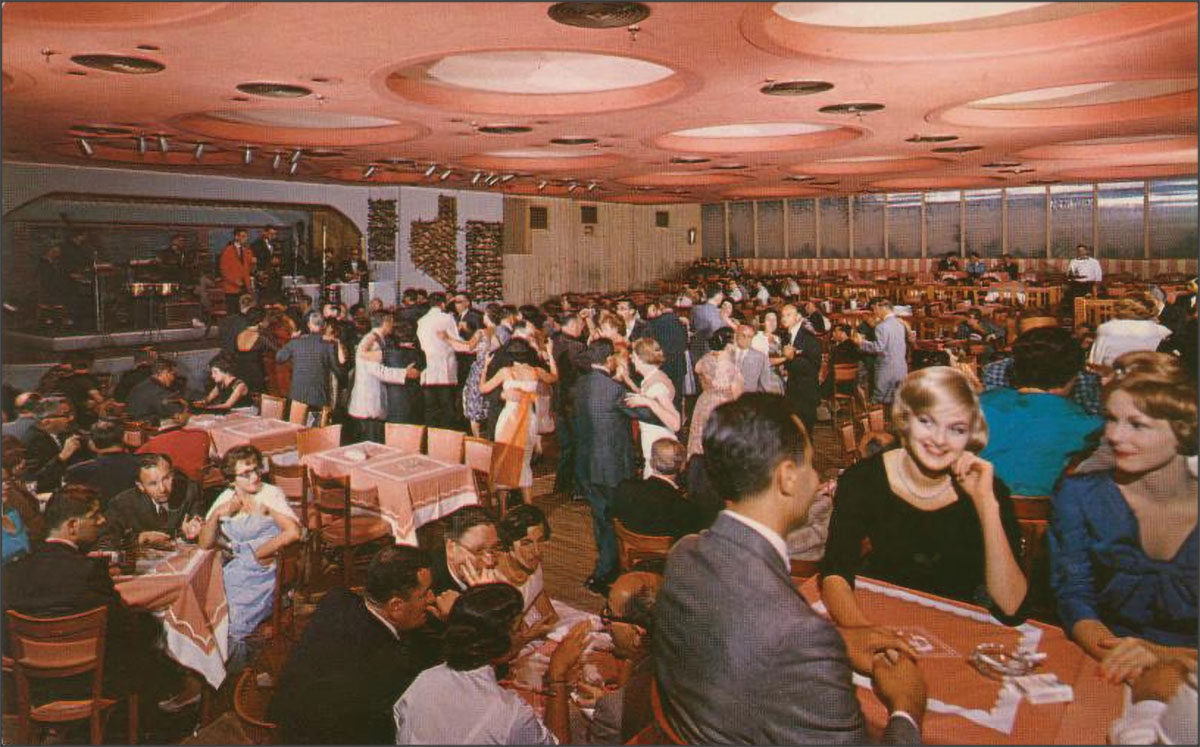
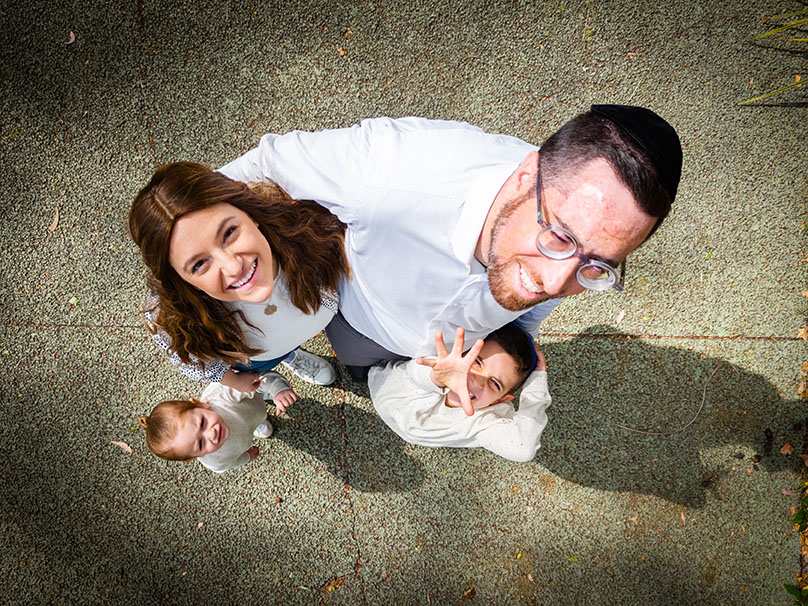
Synagogues are mostly directed at our minds and souls, but JCCs are the flesh-and-blood of Jewish life. They are where we meet, sweat, play, talk and often learn. They are neither Orthodox nor Reform; the intermarried do laps alongside the in-married; the unrepentant Bushie folk dances with the unrepentant Naderite; knitted-kippah yeshiva boys share basketball courts (but not court times) with intramural day-school teams; the toddlers of lesbian couples wait in the same pick-up line as the toddlers of … you get the idea. How many of our Jewish institutions have as their mission statement: "We welcome all Jews," and then fling wide their doors regardless of income, age, marital status, religious observance or sexual orientation? I believe in JCCs.
To discover great JCC success stories, you might want to hop a plane to New Orleans, La. Or Newton Center, Mass. Or Owings Mills, Md. In those cities and others, local Jewish communities have funded and built state-of-the-art facilities, linked them to innovative programs, and have become truly the centers of vibrant Jewish life.
Actually, you needn’t leave Los Angeles at all. The Bernard Milken Jewish Community Campus of the West Hills JCC, with its $4.5-million Ferne Milken Youth & Sports Complex is a fine example of what happens when a community gets behind its JCC.
It’s taken a while for that to happen on the Westside, but finally, it has. On May 10, a few dozen people gathered in the auditorium of the center, located near Olympic and San Vicente, to kick off a $7-million capital campaign for what its supporters call "The J."
For a couple of decades now, the building that houses the J has been in dire need of a makeover. As the Jewish community moved to the "new" Westside of Beverly Hills and Santa Monica, and into the Valley and beyond, the circa-1954 structure that at one time defined L.A. Jewish life deteriorated.
But a group of longtime J supporters, joined by an influx of young professionals, has begun turning the J around. They retained architect Michael Lehrer to revamp the campus’ exterior and interior spaces. At the kickoff, Lehrer walked me around a model of what’s in store.
"This building has great bones," he enthused. "A lot of my job was just getting the junk out." Indeed, under Lehrer’s deft hand, the original postwar design of Sid Eishenstadt resurfaces. The new J will share the same basic lines, but Lehrer has put in a huge central skylight, pulled out walls to ensure an open flow, added a black box theater, a health-club quality gym, a Starbucks-like cafe, sauna and steam rooms (separated by sex — but hey, nothing’s perfect) and an enclosed postmodern funhouse for children. He has completely reconfigured the outdoor plaza areas to create a grand entrance and numerous esplanade-type open spaces, along with an outdoor running track and rooftop reception area. And the new design, as opposed to the present building, will be handicap-accessible.
The J has already raised about $2 million of the $7 million needed for the new project, with large donations coming from the foundations of Harry and Jeanette Weinberg; S. Mark Taper; the Max and Pauline Zimmer Family; and the J’s neighbor, Midway Hospital, and its parent company, the Tenet Healthcare Foundation. The new J will be an impressive and contemporary new L.A. landmark, a kind of architectural adjunct to its neighbors on museum row. It will bring together and influence generations of Jews. At just about any price, it’s a good investment.