A nineteenth-century rabbi, who was a student of the Mussar movement’s founder, had a radical take on receiving the Torah. He wrote a whole book (Hochmah U-Mussar) about what you have to do in order to be ready to receive Torah.
This might seem counterintuitive. How could the Israelites, newly freed slaves, two months out from making bricks, be “ready” to receive Torah? Who would ever be “ready” for God’s revelation on a mountain in the middle of a desert?
That rabbi, the Alter of Kelm, Reb Simchah Zissel Ziv, borrowed a trope from Mishnah Avot, a rabbinic wisdom book, and said that Torah is acquired through being a person who is nosey be‘ol in haveru — one who carries his fellow’s burden with him. As Reb Simchah explains, nosey be‘ol in haveru means that a person prepares themselves to receive or acquire Torah by developing radical empathy.
Rashi, the thirteenth-century French scholar, quoted a midrash saying that as the Israelites journeyed to Sinai, they did tshuvah. The preparation to receiving Torah for this midrash is repentance. This, too, is somewhat surprising. Is not Torah itself the guide to the right path? The Ba’al Shem Tov (the eighteenth-century founder of Hassidism) explained that Torah is like rainwater—it falls on a field and causes whatever is planted there to grow, whether grain or weeds. Receiving the Torah is similar; it strengthens whatever is in a person, whether good or bad.
So, how are we preparing ourselves for acquiring Torah this year — not only on Shavuot, but in general? How will we hear “You shall have no other gods beside me”? How will we understand the relationship between that verse and the previous verse: “I am God your God Who brought you out of the land of Egypt, out of the house of bondage.”
Rabbi Aharon Shmuel Tameres explains that in this verse, God introduced Godself as one who abhors all manner of oppression. Those who claim the right to oppress or enslave others do it “beside” God; they are idolators.
Those who claim the right to oppress or enslave others do it “beside” God; they are idolators.
We believe that everyone was created in the image of God. The deep sin of Pharaoh was believing that some people might be created in the image of God, but others are not. Some people are beasts of burden or machines. One need not worry about destroying or overworking a machine or treating it cruelly. One merely attempts to make a machine as efficient as possible.
In order to take a person and treat them as a machine, one needs to first overcome the idea that every person was created in the image of God and that God cares about every person. One overcomes that idea only by limiting our idea of God. (“I do not know God,” Pharaoh said.) One cannot really look into the face of another person, see the image of God and destroy that image. Denying and destroying the image of God is exactly what Pharaoh did, it is what American enslavement of African people did, it is what Jim Crow did, it is what all racism does. The first step in overcoming racism and white supremacy and the possibility of oppression is recognizing that no people has a right to enslave another people. That is the Exodus that allows for hearing the word of God.
Last year George Floyd was killed several days before Shavuot. On Shavuot there were mass demonstrations around the country and here in Los Angeles. They were mostly nonviolent until the police turned on the demonstrators. When some property was damaged, many in our community complained more about the damage and less about the brutal police killing of a Black man.
We were not ready to hear “you shall have no other gods before me.”
Over the past year, there has been something of a reckoning about police violence and how it is embedded in racism and white supremacy. We are only at the very beginning of the path. We are leaving Refidim, wandering in the desert, and have not yet reached Sinai.
Now, however, is the time to ask the question: What am I doing to prepare myself to acquire Torah? Do I feel the pain that systemic racism has wreaked on our country? Do I understand how the history and culture of police practices have brought us to this point in our history, where Black Americans are killed by police at more than twice the rate of white Americans?
How do I, and the Jewish community, carry the burden together with our Black siblings and neighbors? How will we be antiracists? How will we practice that which we know: that all people are created in the image of God, and all are worthy of life and its blessings?
This process of unlearning white supremacy and anti-Black racism is the true exodus from Egypt. There is a teaching that every day a voice comes from Sinai saying “I am God your God.” The question is, can we hear it? We are only able to hear it once we leave Egypt. Will we leave Egypt this year?
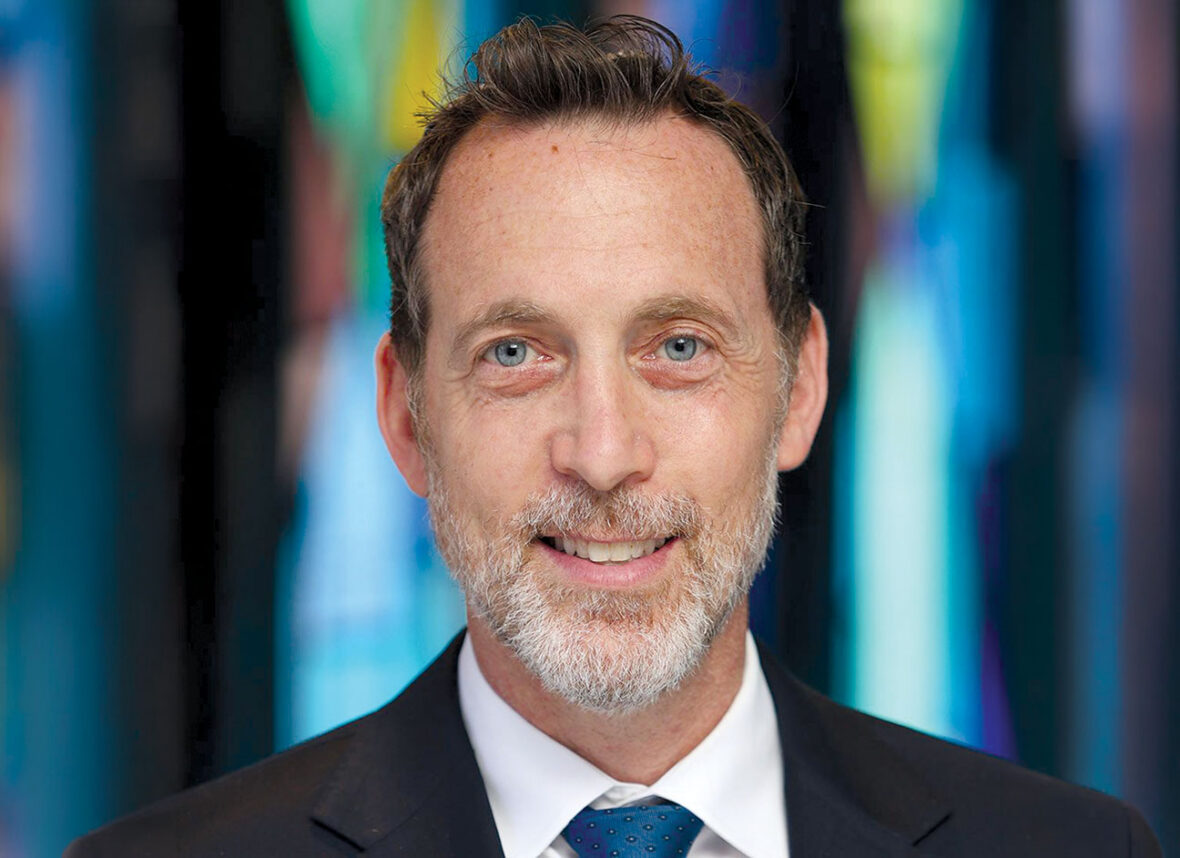
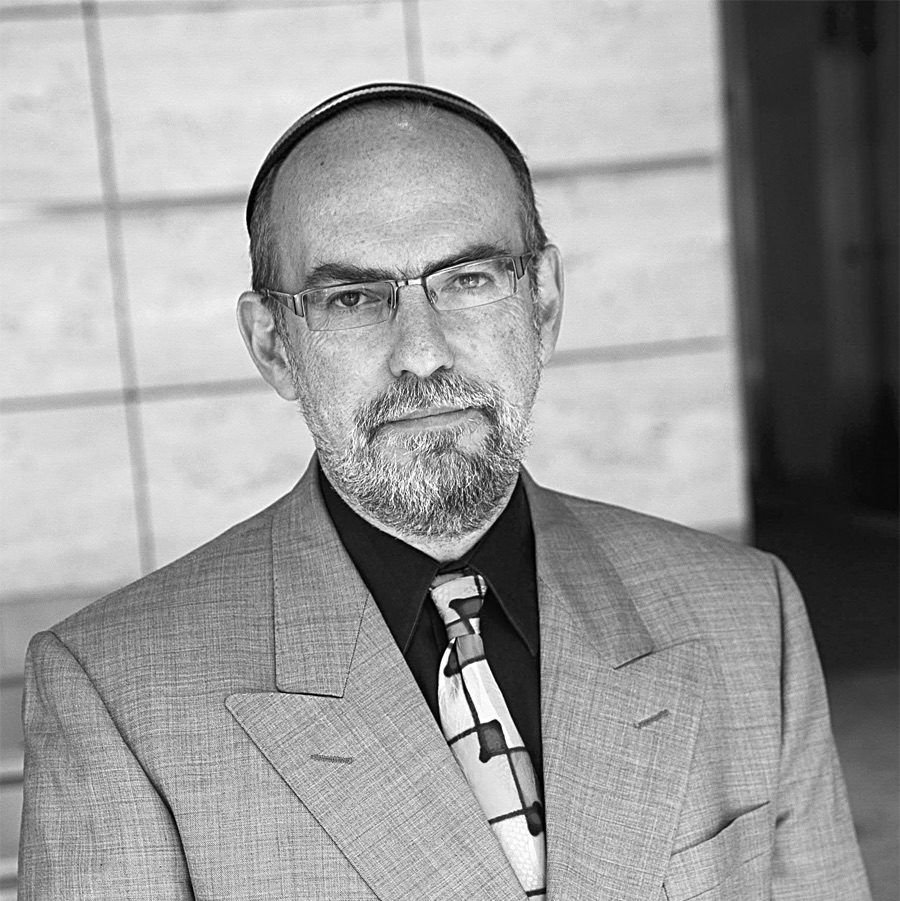
Aryeh Cohen is professor of rabbinic literature at American Jewish University, the rabbi-in-residence at Bend the Arc: Jewish Action, Kogod Research Fellow of the Shalom Hartman Institute and immediate past co-chair of the Board of Clergy & Laity United for Economic Justice. His latest book is “Justice in the City: An Argument From the Sources of Rabbinic Judaism.”