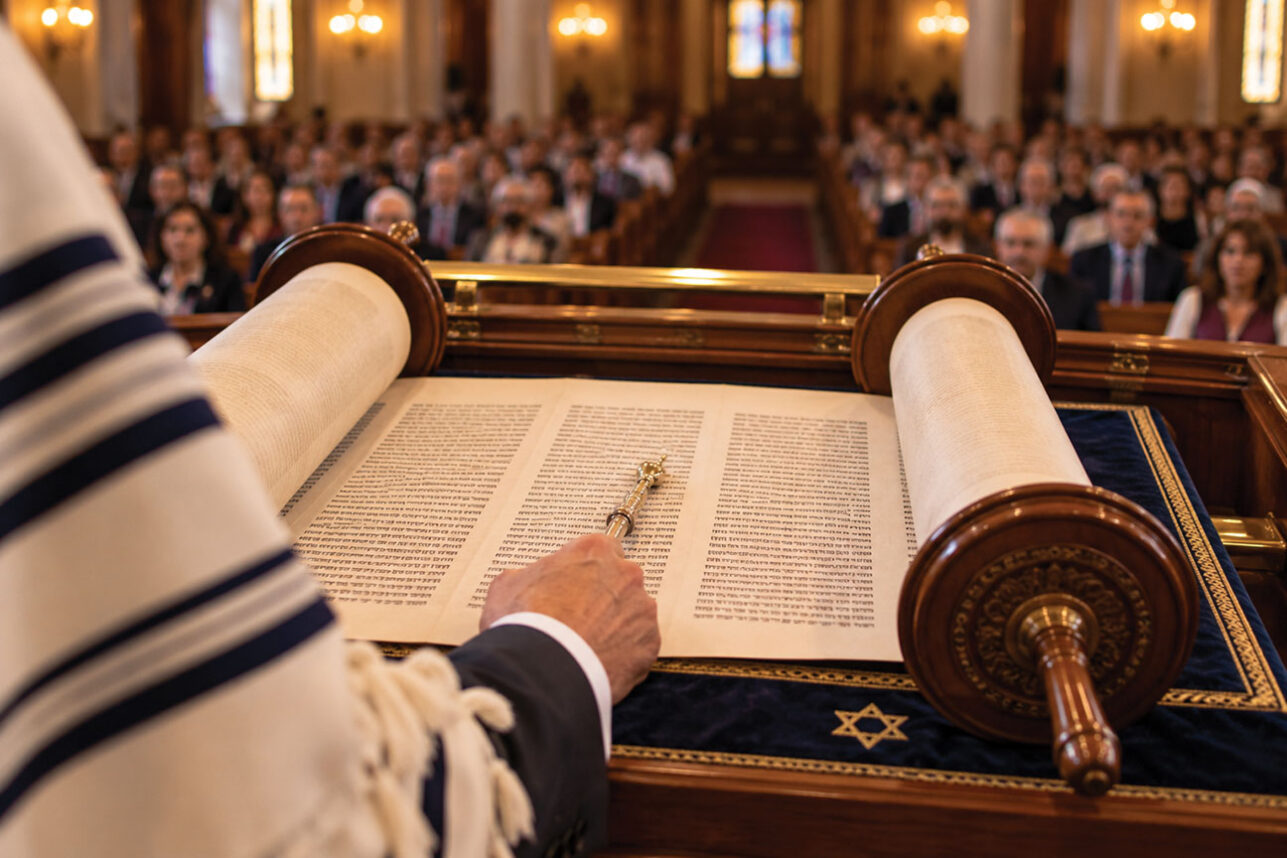
Typically, I try to keep politics off of the pulpit. I believe the job of clergy is to help people deepen their relationship with God, and I recommend only that everyone act ethically and become active and involved in their political passions. But the circumstances of the last week have created a situation that I believe must be addressed from a Jewish perspective.
I understand emotions have run high throughout this election cycle, as they do every four years. In 2000, I remember so many politically liberal friends angry and sad about the presidential election, and committing themselves to working in the next cycle harder for their candidate and beliefs. In 2008 and 2012, I heard many conservative friends bemoan the election and re-election of Barack Obama, and express their fears of what they felt he would do to the country. But in all of these cases, there was always a respect for their political opponents and an acceptance that after the election was over, we would come together as Americans.
Our tradition is filled with rabbis and Sages having passionate debates over a multiplicity of topics. These dialogues are so intense that they are even referred to as a “War between Sages” (Bavli Bava Metzia 59b). It is a Jewish tradition to passionately argue our beliefs, and again in the tractate Bava Metzia (84a) we learn through the story of Rabbi Yochanan and Resh Lakish that it is through this passionate discourse that a “fuller comprehension” can be achieved. This is the basis of the process of argumentation in the Great Assembly wherein the court made a ruling based on the sages’ arguments.
But in Judaism, this is traditionally done with respect for one another. We don’t degrade our opponents personally. After the decision is reached, we do not continue debating, and our history is clear to respect the outcome of the debate.
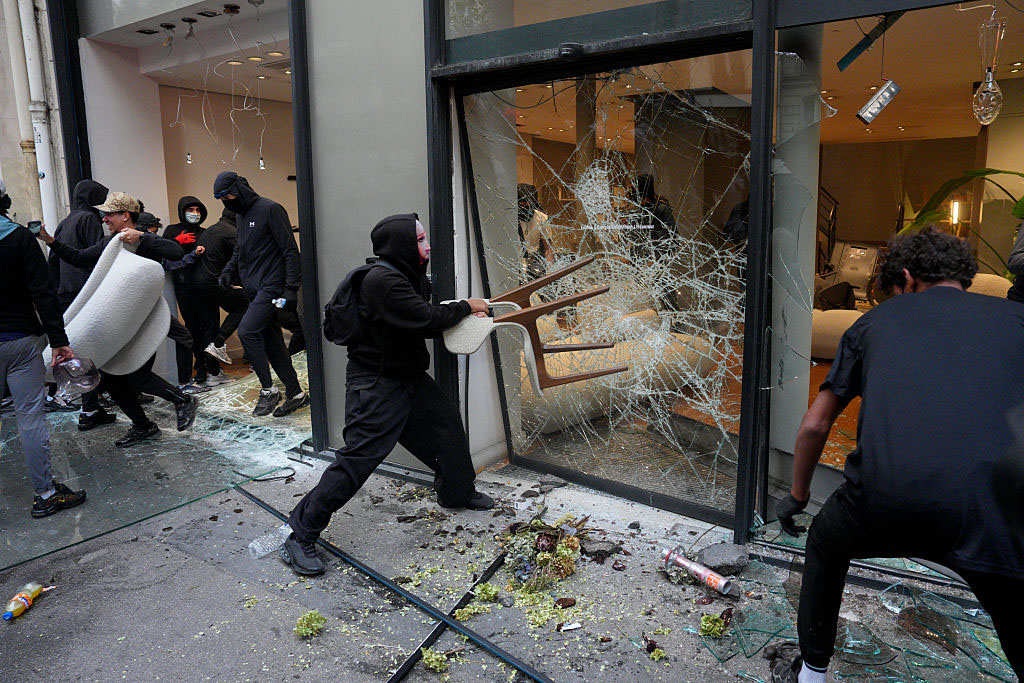
I am beyond saddened that these simple demonstrations of respect seem to have left our political world on a national level, and instead so many people have resorted to hate and violence. There have been riots in cities throughout the country, including the destruction of shops and businesses, and even shootings as people have decided that it is OK to act with hatred in their hearts. All of the accusations made by these demonstrators that president-elect Donald Trump is oppressive, bigoted and dangerous have become manifest in their own inappropriate actions of violent demonstrations. They are the ones acting out of hatred toward their fellow Americans just because they disagree with them politically. These rioters are demonstrating not only a complete lack of respect for the political process and for America, but in their actions they are showing a self-involved narcissism that discounts the fact that half of the nation feels differently than they do.
These demonstrators have become the hate that they so vehemently allege to oppose.
I applaud everyone who passionately stands for their beliefs and tries to legally make changes in policies. But it is ethically wrong on every level to violently demonstrate just because you didn’t get your way. It is against the moral fabric of this nation’s history to unilaterally decide to ignore the results of an election just because it didn’t go the way you wanted. Liberals didn’t act like this in 2000; conservatives didn’t do it in 2008 and 2012. It is against Jewish ethical practices to violently demonstrate in this way, and it is a dangerous form of adolescent behavior that is a direct expression of a hate for others with opposing political views. Ironically, it is a manifestation of the hatred these rioters accuse their political opponents of having —yet they are the ones truly showing actions of darkness and hate in these riots.
If you are unhappy with the results of the election, I encourage you to get involved in the political process for the next cycle. Please become a champion for your beliefs through the election of candidates who you support, but I beg you to remove any of the hatred in your heart that is expressed in inappropriate actions of violence toward the man who was legally elected to be our president — and toward his supporters.
Like the sages of old, we must come together now and try to make changes in the future through respectful and legal ways — not through these hate-filled demonstrations, but through mutually respectful and legal processes. If you have been involved in these riots, please stop trying to make a change through violence and instead work together alongside those with whom you disagree in attempts to find harmony with one another in policies and practices. Please don’t act like like angry children; instead, demonstrate a respect for those you disagree with and engage in a healthy discourse.
Let go of the anger and hatred in your hearts, and I beg you instead to come together as Americans and human beings who recognize that everyone has the same goal: to see a brighter future in this country for our children and their children.
Rabbi Hillel taught: “If I am not for myself, who will be for me? If I am only for myself, what am I? If not now, when?” (Pirkei Avot 1:14). Let us all in this time choose to respect one another, and act on that respect without hatred in our hearts and actions. And maybe if we really respect one another even in our differences, our nation and the world will be more filled with peace.
That is my prayer. Will you join me in this prayer for peace through mutual respect?
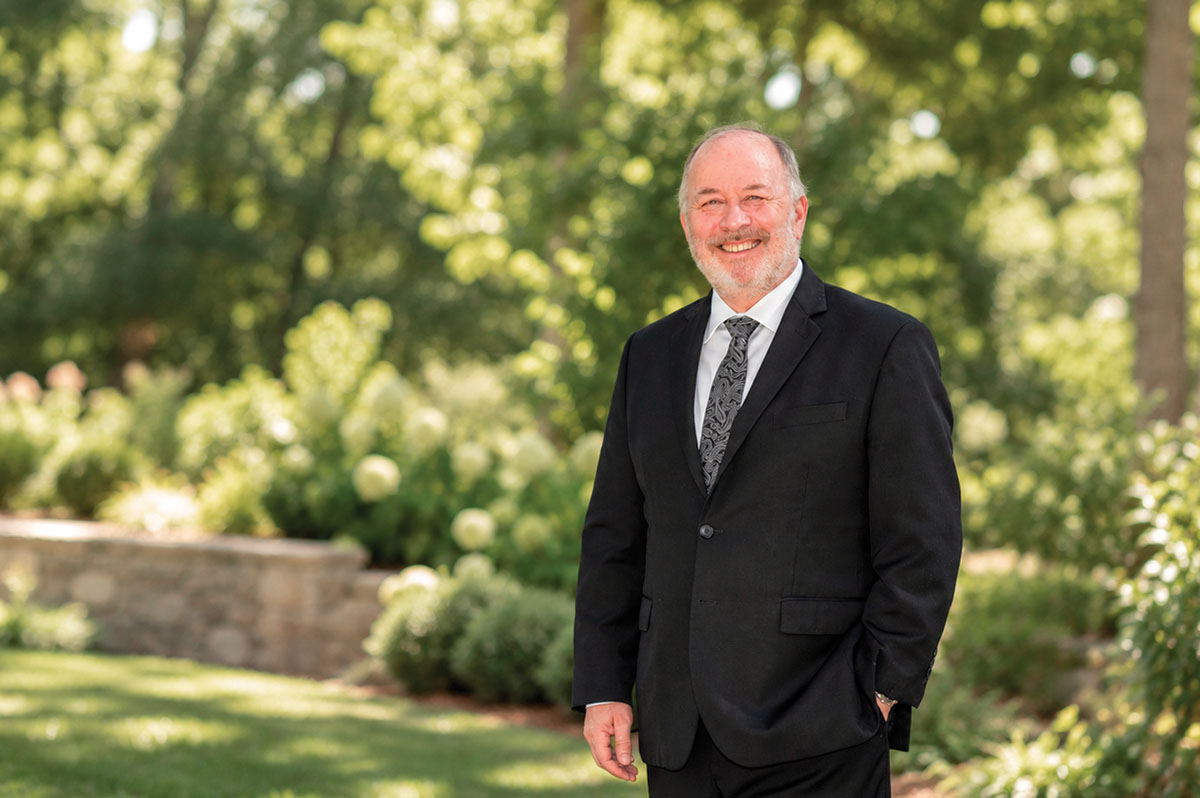
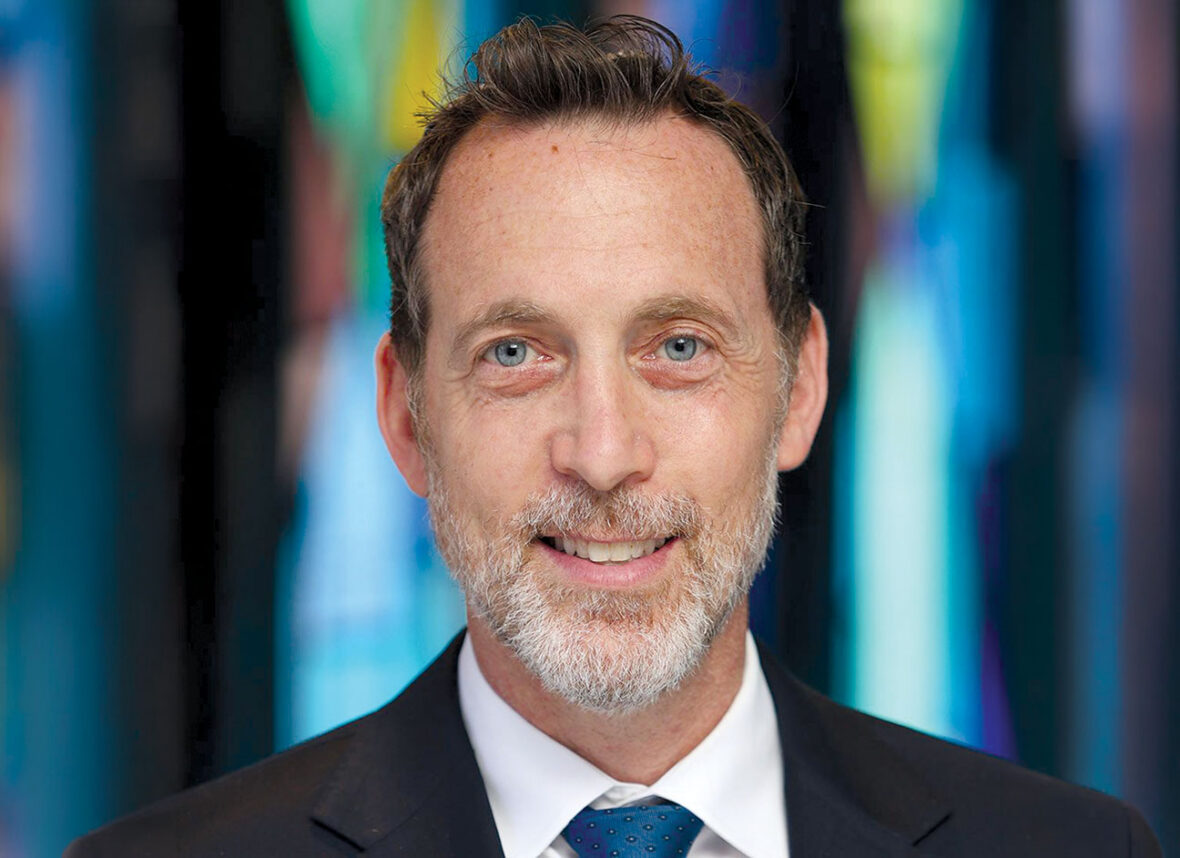
Rabbi Michael Barclay is the spiritual leader of Temple Ner Simcha in Westlake Village (nersimcha.org) and the author of “Sacred Relationships: Biblical Wisdom for Deepening Our Lives Together.” He can be reached at RabbiBarclay@aol.com.