If it were Jews who had massacred people in Paris last Friday night, I would be drowning in shame right now. I would be writing about that shame. I would be shaming my murderous Jewish brethren for dishonoring my religion and dragging me down in their gutter of darkness.
Here’s what I would not do: I wouldn’t defend Judaism as a “religion of peace.”
Maybe it’s a Jewish thing. Maybe it’s that old saying that Jews are responsible for one another. Whatever it is, when Baruch Goldstein murdered innocent Muslims many years ago, Jews didn’t stand up to defend Judaism. We condemned the act, certainly, but we also hung our heads in shame at the horror committed in our name.
Many of us asked: Where did we go wrong?
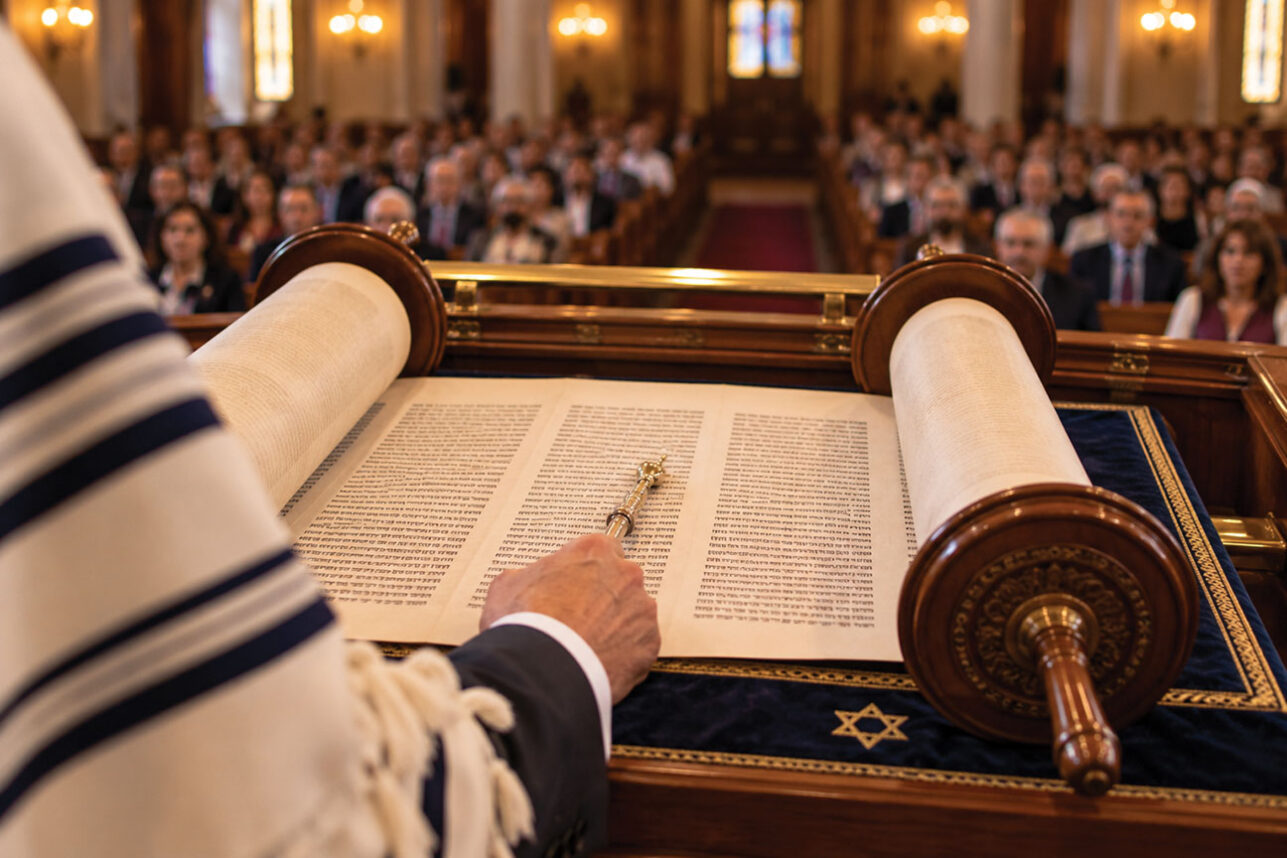
Jews have been asking that question, in fact, for millennia: Where did we go wrong? What can we do better? The holiest day of the Jewish year is devoted precisely to that task, not just personally but communally. We lay bare our flaws, our weaknesses and our sins—because that’s the only way to improve.
That works for our religion, too. The holy men of our Bible were never afraid to challenge God. Jews have continued in that tradition. We're encouraged to challenge and question. If there are problematic texts or stories, we're encouraged to take them on.
Every religion has its good and bad. In an ideal world, we would share the good with others. Judaism is far from perfect, but it has this one “good” it ought to share with the world: Brutal self-criticism. The instinct to look inward.
I thought about that when I read statements from Muslim organizations in response to the Paris massacres.
There was plenty of condemnation, but no self-criticism. Essentially, the message was, “This is not Islam.”
The first statement, from the Council on American-Islamic Relations (CAIR), condemned “these horrific crimes,” which is expected and appropriate. But what about recognizing that Islam may have had something to do with these crimes?
The second statement was more scholarly but in the same spirit. It came from more than 120 Muslim scholars from around the world, who wrote an open letter to the “fighters and followers” of the Islamic State, denouncing them as “un-Islamic.”
As reported in the Huffington Post, the 18-page letter “picks apart” the extremist ideology of the militants.
I read the letter. Indeed, it challenges and picks apart the interpretations of the Quran that ISIS uses to justify its violent acts.
As I read it, though, I didn’t just hear the voices of scholars. I also felt the voices of brilliant defense lawyers. The writers admitted no flaws. They defended everything.
This has been the pattern in recent years from the moderate Muslim community: Condemn the violence vigorously, but defend Islam at all cost. If there are deeply problematic or violent texts in the Quran, if there are gross abuses of sharia law, explain them all away so that Islam comes out looking squeaky clean. And if people can’t see that Islam truly is the religion of peace, well, that’s their problem.
That kind of noble and assertive defense might work once or twice, but after 27,295 deadly acts committed under the name of Islam since 9/11 (according to Jihad Watch), it starts to get old. After a while, you feel like asking the defenders: “How long do you expect us to buy your argument that there is no connection between Islam and these violent acts?”
Instead of constantly trying to defend Islam, moderate Muslim leaders should consider a more difficult approach. Face up to the problematic texts of your tradition. Criticize them. Admit that they can be used to justify violent acts. Recognize that your religion, just like any religion, needs constant self-criticism in order to grow and stay humane.
It doesn’t cut it anymore to condemn violence and just say, “This is not Islam.” For too many Muslim preachers, this is Islam. At some point, you must take responsibility for what is done under the banner of your religion. Instead of doubling down on defensiveness, double down on self reflection.
As Rabbi Chaim Seidler-Feller once said to me, “Every religion has an obligation to clean out the negative teachings that accrue over time.”
Interfaith programs with other religions are fine, but innerfaith efforts within the Muslim community are even more important to “clean out” the negative teachings infecting the faith. This can only be done by Muslims.
Islam doesn’t just have an image problem. When so many violent acts are committed under its name, it is neither crazy nor bigoted to ask: “What’s wrong with Islam?” In fact, it’s only human, and it’s certainly useful.
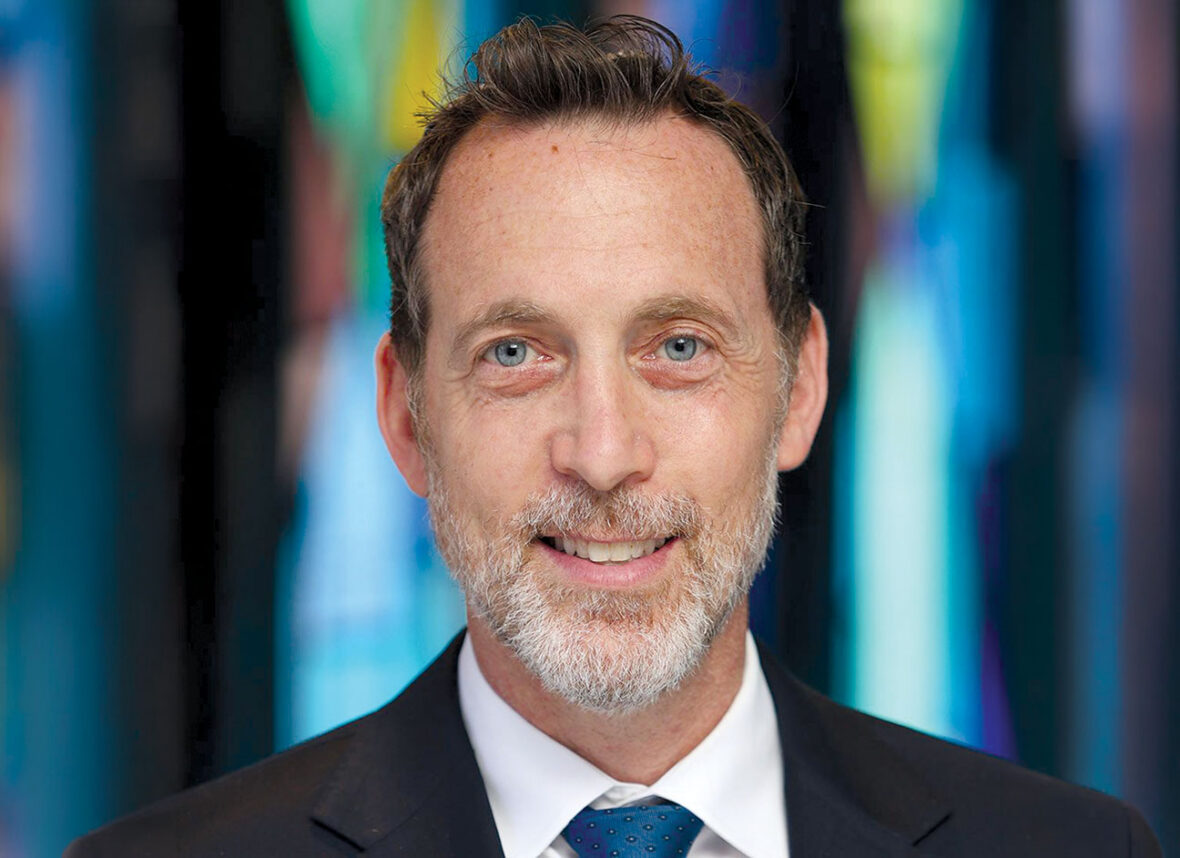
David Suissa is president of TRIBE Media Corp./Jewish Journal and can be reached at davids@jewishjournal.com.