A tyrant and a tyrannical regime oppress a people — stealing their dignity, robbing them of their freedom, ruling through fear and brutality. It happens in so many places, in so many ways. For years, for decades, the people endure. Somehow they survive. Until finally, pushed to the breaking point, they raise their voices.
As they knew he would, the tyrant erupts. Violence follows. The cost of resistance becomes painfully clear.
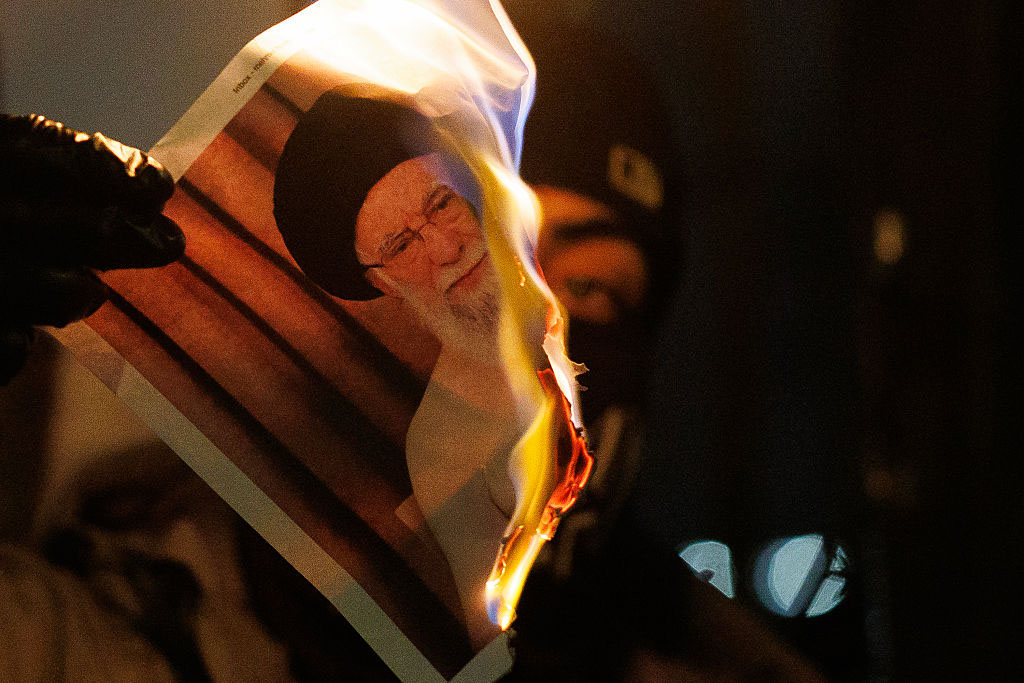
I could, of course, be talking about what’s happening right now in Iran. But I could also be describing the events of the first few Torah portions in Exodus, which recount a confrontation with tyranny that began more than three millennia ago.
Pharaoh does not respond to moral argument. He does not yield to reason. He responds, as tyrants so often do, with greater cruelty. But God responds differently. Throughout Exodus, God’s demand rings out again and again: “Shalach et ami! Let My people go!” This is how you stand up to a tyrant — with moral clarity, courage and action. Exodus reminds us that standing up to a despot is dangerous work, and that the outcome is never obvious or guaranteed.
Hannah Arendt, in her essay “On Violence,” offers a sobering insight into this dynamic: “Power and violence are opposites; where one rules absolutely, the other is absent.” Arendt argues that when a leader or a regime is broadly accepted as legitimate — when people consent, even reluctantly, to its authority — there is little need to rule through force. Violence becomes necessary only when legitimacy has eroded. Tyranny relies on repression and terror precisely because it lacks true power. And when that violence intensifies, it is often a sign not of strength, but of fear — fear of a people who are beginning to withdraw their consent and reclaim their power.
Our community feels this moment acutely. We feel it because we care deeply about Israel and the Jewish people, especially as our brothers and sisters there brace themselves for the possibility that violence in Iran could spill across borders. Israelis worry that the Iranian regime may lash out — firing missiles toward Israel either as a distraction from internal unrest or out of its long-standing, ideologically driven hostility toward the Jewish state.
And here in Los Angeles, home to one of the largest Iranian Jewish communities in the world, we feel this personally. For so many, this is not abstract or distant. It is bound up with memory, family, loss and longing — stories that stretch back centuries, even millennia, to the time of the Persian Empire. The protests we witness today in Tehran, Isfahan, Mashhad and elsewhere echo in the hearts of those who left Iran decades ago, who still remember what was lost and who dare to hope for what might yet be reclaimed.
We have seen this before — throughout Jewish history broadly and throughout the sordid history of the Islamic Republic more narrowly. We see it still, in different forms, closer to home than we might wish to admit. Every attempt to overthrow this oppressive regime has ended in failure, repression, and loss of life. The Green Movement of 2009. The protests of 2017 and 2019. The demonstrations sparked by Mahsa Amini’s death in 2022. Each time, the regime has crushed dissent with brutal efficiency. Perhaps this time will be different. Perhaps not.
What is clear is this: tyrants do not simply walk away. They do not quietly disappear. And tragically, they respond only when confronted by power.
Exodus teaches that liberation does not begin with miracles or with freedom itself, but with people daring to speak, to resist, and to imagine a different future — even when the cost is unbearably high. It also reminds us that the struggle against tyranny is never the work of the oppressed alone. Moses has Aaron and Miriam to support him and, of course, God to guide him. The Israelites do not free themselves in isolation. Liberation requires solidarity, support and the willingness of others to stand witness and say: this injustice must end.
This is a moment for the people of Iran to exercise their courage and their power. And it is a moment for the world to stand together in support.
The Torah tells a single, enduring story: God desires freedom, not tyranny—and every Pharaoh must go.
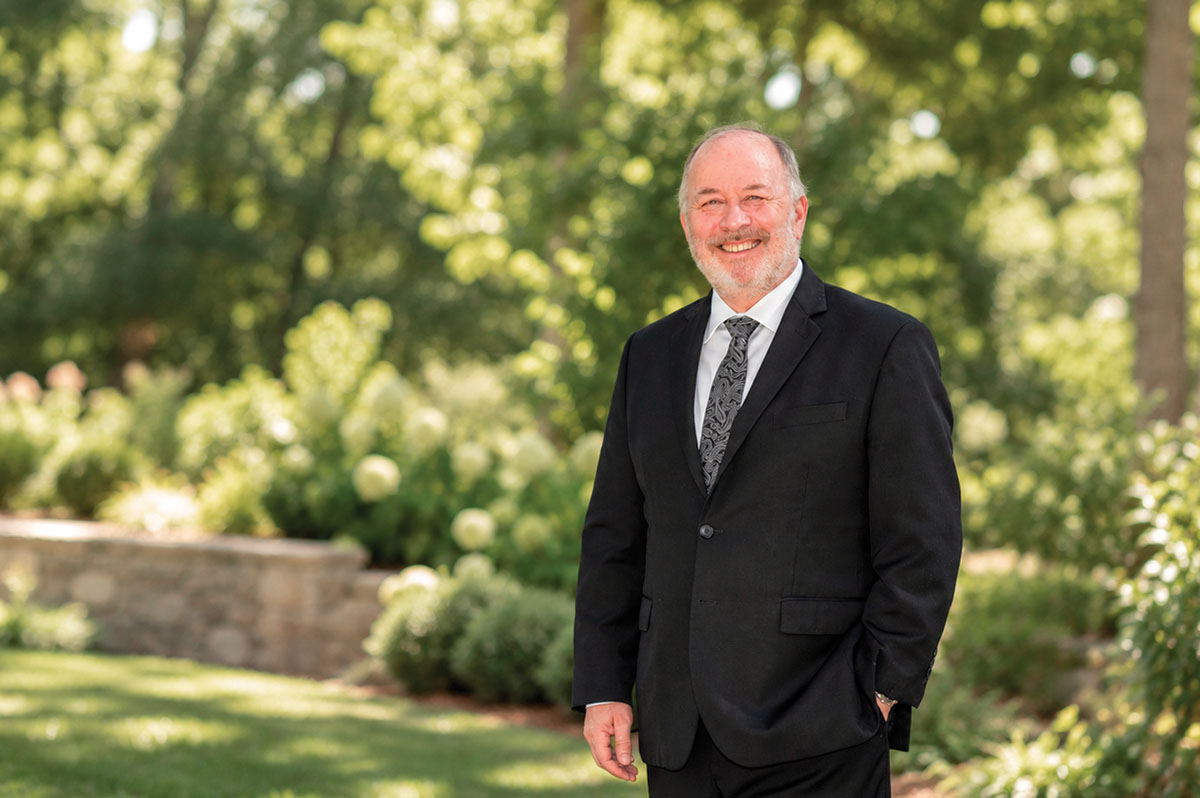
Rabbi Yoshi Zweiback is the Senior Rabbi of Stephen Wise Temple in Los Angeles, California.