You may have been exhilarated by Donald Trump’s whirlwind sweep through the Middle East this past Monday. You may have been appalled. But although six other U.S. presidents have visited Israel throughout its history, the Jewish homeland has never seen anything like this.
The land mass between the Jordan River and the Mediterranean Sea has witnessed enormous amounts of change over the last 80 years. David Ben-Gurion and Chaim Weizmann led the fight for Israeli independence, existential wars in 1967 and 1973 strengthened the young nation’s character and the type of explosive economic growth and technological prowess that could never have been predicted by a ragged group of refugees and kibbutzniks have turned the tiny Jewish state into a regional and world power.
But we have witnessed what may have been the most emotionally complicated celebration in recent history. It was an intricate overlap of the immensely different political landscapes in Israel and the United States, the burning animosity that both countries currently hold toward their respective leaders, and the unrestrained joy that all of Israel and much of the U.S. exhibits toward the belated but jubilant release of the last known living hostages.
The American president spent roughly three and a half hours on Israeli soil, over which time he conferred with Benjamin Netanyahu and the nation’s other leaders, met with the families of the just-freed hostages, delivered a plenary address to the Knesset in which he called for Netanyahu’s pardon and suggested peace negotiations with Iran. He was back at Ben Gurion Airport for a quick shuttle to Egypt before Air Force One’s engines had fully cooled.
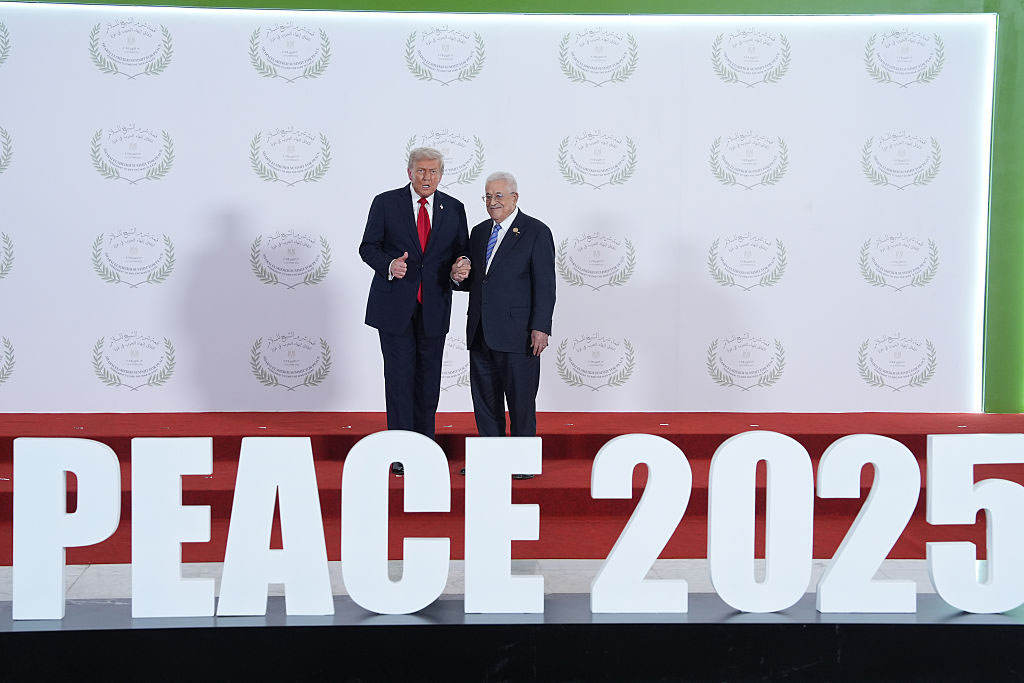
Trump’s next stop carried less symbolic value but greater practical import, as he and a passel of European and Arab leaders huddled to determine the next steps in an arduous diplomatic process that still has a long and complex path before anything that can credibly be referred to as a peace process exists in the region. Trump skated past these remaining disagreements in order to secure the hostages’ release and achieve even a temporary cessation of the violence. This was the right decision given the necessary short-term objectives, but the unbridled revelry on the streets of Jerusalem and Tel Aviv will soon be overshadowed by painstaking negotiations in conference rooms in London and Doha over Hamas’ disarmament, the nonexistent multinational security force that will oversee Gaza and the equally imaginary governance structure that will take responsibility for the region’s rebuilding and post-Hamas future.
Trump is already edging away from former British Prime Minister Tony Blair, who only a week earlier had looked like a savvy choice to lead the “Board of Peace” that would oversee the territory. But reported objections from Hamas and other Palestinian leaders, who are still resentful of Blair’s enthusiastic support for the Iraq War back in the early 2000s, seems to have put that option at risk and there is no apparent alternative with the necessary experience and credibility who has yet emerged. Current British Prime Minister Keir Stermer is convening a summit on Gaza’s recovery, but it will be difficult for any sitting world leader to devote the time and attention to the intricacies of the innumerable obstacles that have the ability to derail future progress.
Both Netanyahu and Hamas have already hinted at some of the challenges going forward, unresolved disputes that could stall the next round of discussions, and it’s difficult to see either side making many additional concessions without Trump’s ongoing involvement. But the American president is not known for his patience or his focus, and even proxies like Steve Witkoff and Jared Kushner may not be able to keep the talks on track. Add it all up, and the next steps forward look exceedingly difficult.
Monday’s party was necessary and welcome and cathartic and long overdue. But once the confetti has been swept away, the real difficult work will start. Trump’s tour-de-force through Israel will long be remembered. What’s yet to be known is whether it will be seen as a turning point in history or a fleeting hiatus in an ongoing ordeal.
Dan Schnur is the U.S. Politics Editor for the Jewish Journal. He teaches courses in politics, communications, and leadership at UC Berkeley, USC and Pepperdine. He hosts the monthly webinar “The Dan Schnur Political Report” for the Los Angeles World Affairs Council & Town Hall. Follow Dan’s work at www.danschnurpolitics.com.