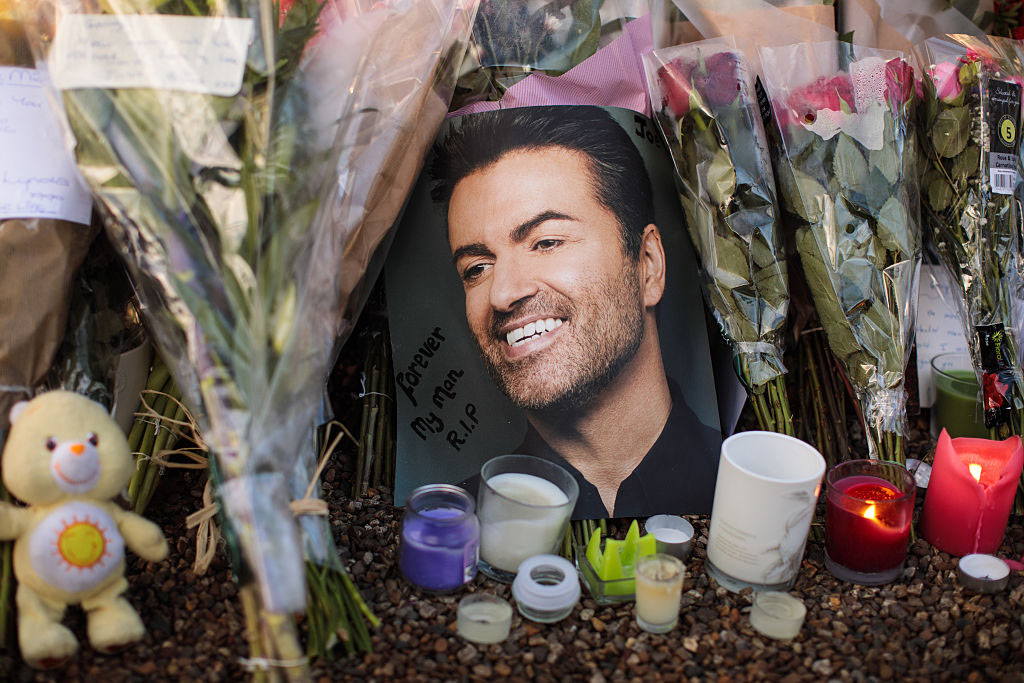
The death of George Michael was a shock when he passed away at the relatively young age of 53 on Dec. 25, 2016. It was literally his “Last Christmas,” and his iconic crucifix earring in the “Faith” video seemed a suitable symbol for the day he died. The only catch is that he later revealed that he was halachically (legally) Jewish on his mother’s side. As music fans mourned his passing, shedding tears and sharing eulogies across the world, I realised a harsh truth: nobody was saying kaddish for George Michael’s neshama.
I’d first heard of his Jewishness many years earlier from a close friend who is an osteopath and regularly treated George. The LA Times covered it in 2008, “George Michael embraces his dualities” (surely it should have been “jew-alities”?), and on BBC Radio’s “Desert Island Discs” program in September 2007, George told the story in his own words: “my mother, strangely enough, found out when her mother died, that her mother had been Jewish…[she] had been disowned for marrying a gentile.” How fitting then, that the title song from his breakout solo album had everyone singing a profoundly Jewish message of emunah; “you’ve got to have faith”.
How fitting that the title song from his breakout solo album had everyone singing a profoundly Jewish message of emunah: “You’ve got to have faith.”
After his death in December 2016, I realized it was unlikely his record company and management agency would have arranged for the Jewish daily memorial prayer to be said for the 11 months following his passing, so we arranged for a friend-of-a-friend to say kaddish every day for George.
For some strange reason, there seems to be a vast over-representation of Jewish wives among modern British pop stars, although hopefully no more kaddishes will be required for a long time.
The recent Robbie Williams biopic “Better Man”, is a brilliant, creative retelling of his career challenges, depicting him as a performing monkey, and directed by “The Greatest Showman’s” Michael Gracey (not Jewish!). It includes the romantic and sad story of Robbie’s relationship with former fiancee Nicole Appleton — the Canadian-Jewish member of UK band All Saints — who later married Oasis’ Liam Gallagher (now divorced). Robbie later married Ayda Field, who is an Ashkenazi-Jewish LA native. Williams is very pro-Israel and said he would convert to Judaism if it didn’t involve circumcision, but nevertheless self-identifies as Jewish.
Meanwhile the elder statesman of British pop, Sir Paul McCartney, has had two Jewish wives (first wife Linda Eastman, and current wife Nancy Shevell) but it is George Michael who keeps drawing me in. Perhaps it is the personal connections. George went to high school in Bushey, England, back when his name was Georgios Kyriacos Panayiotou. Bushey is the town where my family lives, my nephews attended the same school where he met Andrew Ridgeley and formed Wham! His first live performance was in a Scout hut near my parents’ house, and the local pub — The Three Crowns — has a Wham! corner where the pop stars would go for a drink after school to meet with their manager (England in the 1980s never required ID to buy alcohol).
Above all, soon after arriving in Los Angeles, my first music video was a parody of “Faith,” which we recreated shot-for-shot in our spoof song “Am I in the wrong Faith?” It was only in the preshoot preparation when studying the storyboards for the classic 1987 video that I realized the depth of George’s brilliance, the explosive energy of his performance, and the genius of one of our greatest showmen. My one regret is that I never sent him a DVD of our video before he died, despite my osteopath-friend offering to hand-deliver it to him.
Despite arranging the kaddish for George Michael, I never got around to lighting a yearly yahrzeit memorial candle on the anniversary of his passing. The Hebrew date for Dec. 25, 2016 was 25 Kislev, which is also the first night of Hanukkah. Last Christmas has passed, but if you’d like to light an extra candle on the first night of next Hanukkah, let’s light one for the man who brought faith to the dancefloor.
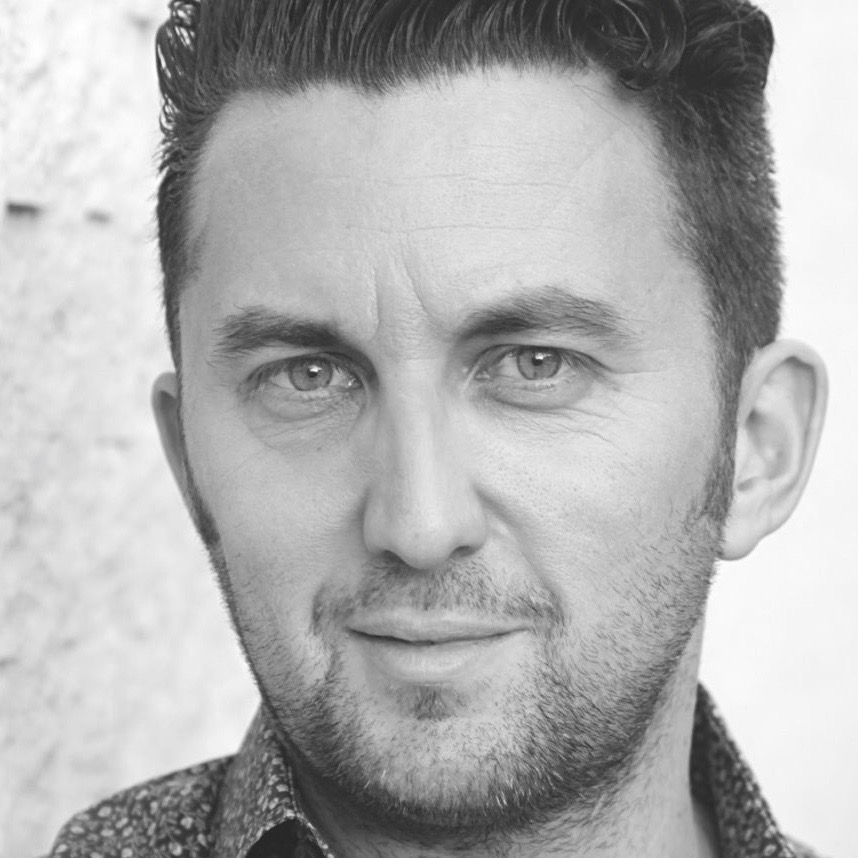
Marcus J Freed is an actor and writer. His Faith parody is on Youtube https://www.youtube.com/watch?v=a780aBtPHRQ. IG: @marcusjfreed