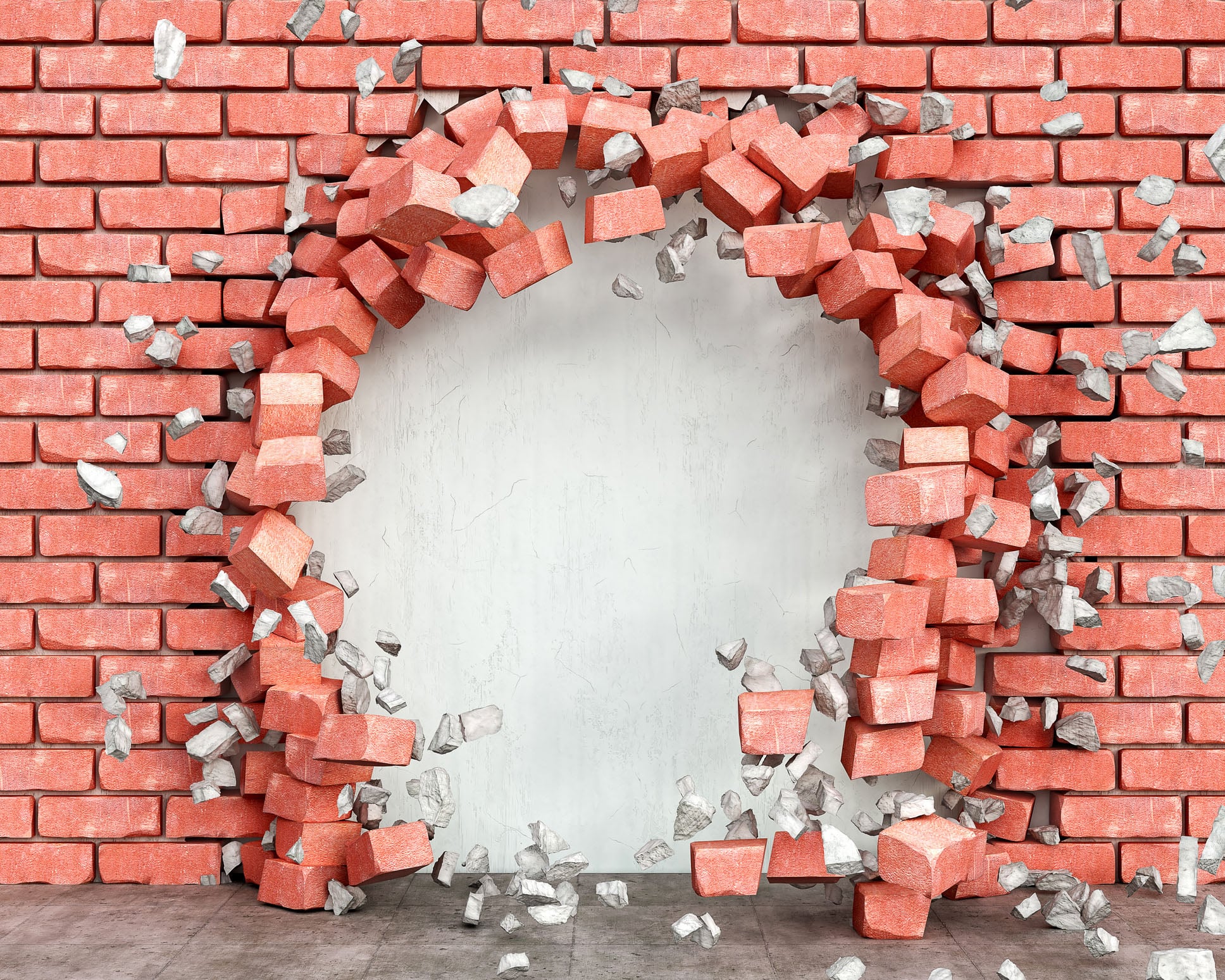
On the 17th of Tammuz, we commemorate the breaching of the walls of the Holy Temple, both in Babylonian and in Roman eras. Each time, the broken wall symbolized the end of something precious, a loss of connection to the Divine we held dear. We resisted, we struggled, but still, the enemy broke through. Devastation and diaspora followed. It’s fair to say, I think, that the breaching of the walls was a bad thing.
But let’s look at it differently. Yes, the walls were breached 2,600 years ago. Our people were displaced from their land and lost the firehose connection to heaven that the Temple represented. We were exiled and dispersed. But, these thousands of years later, we are still here as a distinct people, still organized enough to respond communally to the loss of the Temple. Jewish values have been absorbed into most of the Western world. An ancient catastrophe led to a global rebirth of world Jewry.
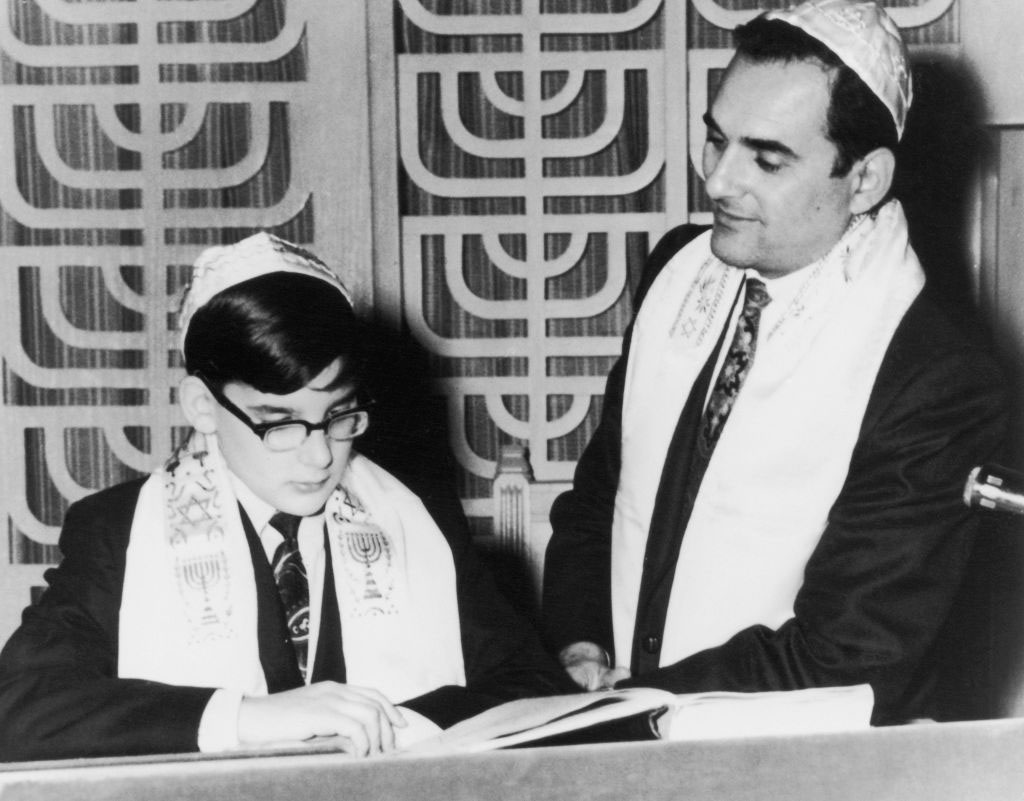
I have experienced broken walls. My father died when I was nine. Losing him meant that the secure walls of my home were breached forever. My siblings and I were exiled into a world of single mothering and orphanhood. By all reckonings, it was a bad thing. Yet almost 60 years later, I look back and see that the life I’ve built might not have been possible if my father had lived. And it’s been a good life. What seemed like the end of the world in childhood marked the beginning of taking on increased autonomy and responsibility in my family. Standing up to say Kaddish every Shabbat in synagogue taught me to be unafraid of standing out from the crowd. True, if he’d survived, I would have built a different life. Nevertheless, the wall was breached, but life emerged victorious.
When walls in our lives tumble down, we have a choice. We can sob in the ruins, or we can rise to rebuild. As Jews, we have been rebuilding from the moment the walls came down. In my own life, that’s what I’d like to do, too.
I have also experienced broken walls within myself. At times, I’ve hit points in my life – whether personally, professionally, or spiritually – when the strains of life seemed overwhelming. Whether I felt that I could not keep up with the competing demands of career and motherhood or I could not live up to the religious standards I’d set for myself, I felt beaten down. But healing during those times helped me gain humility. Reaching out to friends, family, and counselors for help embedded me more deeply in a network of love and support. If the walls of “I can do it all” had not broken down, I would not have experienced the joy of being lifted up.
So is breaking down a wall a good thing or a bad thing? Depending on how we respond, it can be harmful or healing. In ancient times, the Jewish people responded to the broken Temple walls by renewing calls for repentance. The Temple’s loss led to the development of rabbinic Judaism, which enabled Torah Judaism to transcend geographic boundaries and take root all over the planet. If we were still tethered to a system that relied on everyone being able to walk to the Temple on the three pilgrimage festivals of Pesach, Shavuot, and Sukkot, would we have been able to spread the inspiration of Jewish values of the rule of law, the dignity of the individual and care for the downtrodden throughout the world? We needed to become the diaspora so that what is now known as Judeo-Christian values could be taught to billions of people.
When walls in our lives tumble down, we have a choice. We can sob in the ruins, or we can rise to rebuild. As Jews, we have been rebuilding from the moment the walls came down. In my own life, that’s what I’d like to do, too.
Elizabeth Danziger is the author of four books, including Get to the Point, 2nd edition, which was originally published by Random House. She lives in Venice, California.