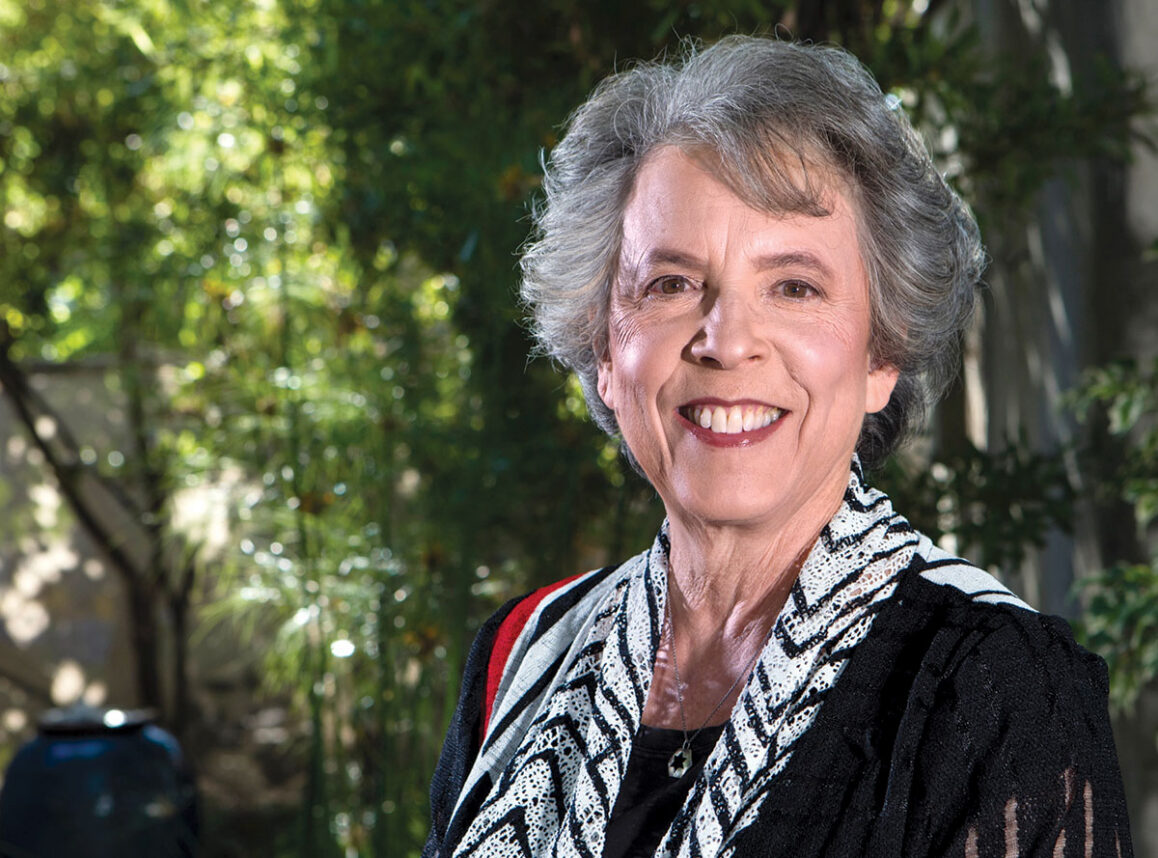
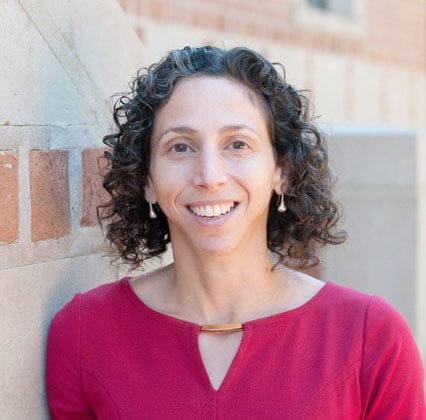
For the first time in its 52-year history, the Jewish Studies Program in the College of Humanities at California State University, Northridge has two permanent faculty members, with the hiring of Dr. Melissa Weininger. She will serve alongside Program Director and Associate Professor Dr. Jennifer A. Thompson.
Established in 1969, the Jewish Studies program offers interdisciplinary courses in many different departments as well as unique classes like Applied Jewish Ethics and a Natural Environment and Judaism and Wilderness Survival course. CSUN students have the opportunity to both major and minor in Jewish Studies, and they can intern at local Jewish nonprofit organizations. The program also offers $1,000 scholarships just for taking Jewish Studies courses and caters to both Jewish and non-Jewish students.
“It’s really great to have people in full-time and tenured positions because it makes the program so much more stable going forward,” said Thompson, in an interview with the Journal. “We can create new programs and lasting relationships because we can count on having the same faculty in place.”
Weininger is coming to CSUN Jewish Studies from Rice University’s Jewish Studies program, where she was the Anna Smith Fine senior lecturer in Jewish Studies and the former associate program director.
“She has fantastic teaching experience across a lot of different courses that we don’t currently offer but would love to,” said Thompson. “She has taught on the Jewish graphic novel. She is an expert at teaching courses that we offer, like our course on Israel’s history and peoples. She did a teaching demonstration for us as part of the hiring process that was just phenomenal. She does everything the way we’d like to see in terms of engaging students and really capturing their attention and interest, and this was over Zoom with students she’d never met before. You can imagine how much better it’ll be when she is here.”
Weininger’s research focuses on Hebrew and Yiddish literature, and she’s currently working on a book about the relationship between Israel and the diaspora communities. She will also be teaching classes on Jewish literature, Israel, gender studies, the American Jewish experience and women in the Jewish experience.
“My skills and experience are very well-suited to this position,” she said. “The program is also growing and developing and I have a lot of experience at Rice starting in a very small program and enhancing and shaping it to fit the needs of the student body and the community. This program is considering deeply the needs of the student body and the community and looking at ways they can adapt their curriculum offerings and programs to serve their needs.”
CSUN Jewish Studies is dedicated to providing programming to the Jewish community in the San Fernando Valley, which is home to half of LA’s Jewish population. “We’ve become a kind of anchor for sharing scholarship and research through public lectures and programs,” said Weininger.
Additionally, at a time when antisemitism is on the rise, Weininger said that the CSUN Jewish Studies program could educate non-Jewish students about what Jewish culture really means.
“There are elements of our courses that teach antisemitism but the best way to combat that kind of negative response is for people to learn about it and be exposed to it and appreciate it and fall in love with it.”
“Obviously like everything else, when you’re exposed to something and its particulars and you gain an appreciation of it, it always complicates simplistic understandings that lead to antisemitism,” she said. “Jewish Studies exposes people to Jewish history and culture. That’s the kind of thing we want to be exposing students to to combat antisemitism. There are elements of our courses that teach antisemitism but the best way to combat that kind of negative response is for people to learn about it and be exposed to it and appreciate it and fall in love with it. You can’t help doing that when you take a class.”
Moving forward into this school year and beyond, CSUN will continue to be dedicated to the student body and community and offer them distinctive courses and programming.
“I’m hoping that as we expand especially post-pandemic and start trying new things that the community will be interested in what we are doing and want to connect with us,” Thompson said. “We are eager to make those connections.”