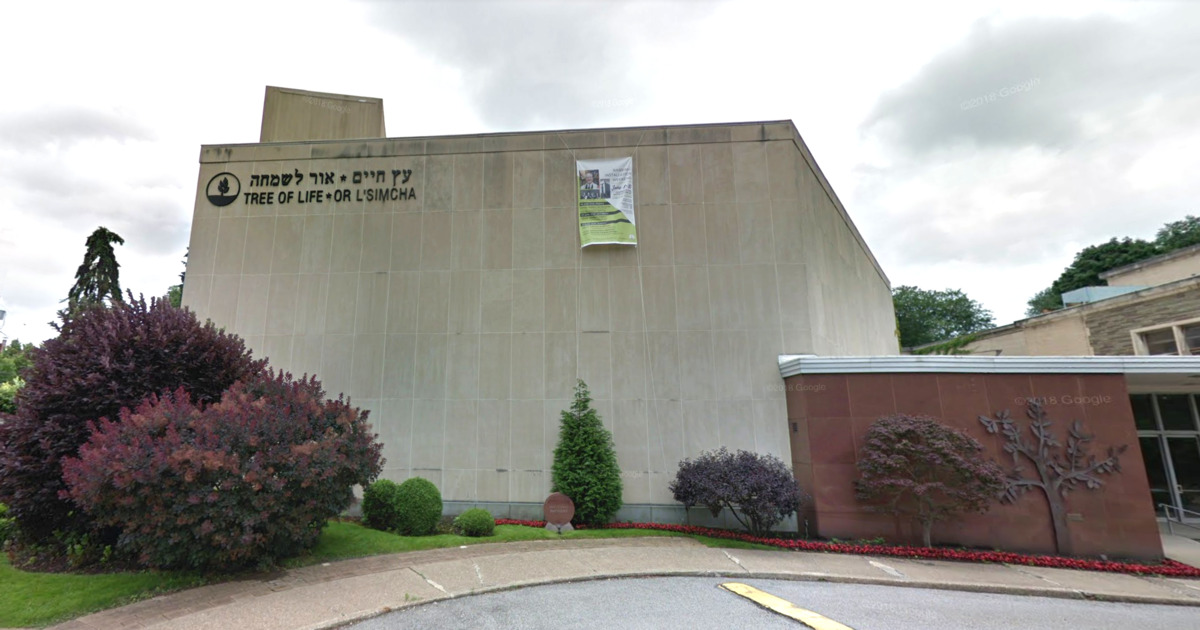
You may recall that after the horrible synagogue shootings in Pittsburgh, a brouhaha erupted over an apparent insult to Conservative Jewry. People claimed that Israel’s Ashkenazi Chief Rabbi, David Lau, wouldn’t call Tree of Life a synagogue because it’s a Conservative shul. But I’d like to correct the record: Rather than dissing Tree of Life, Lau actually validated it.
An honest reporting mistake metastasized into a Big Lie, because many opponents resent this politically incorrect correction. The fake narrative of the brutally insensitive rabbi is more popular than the subtle story of someone with whom many disagree, who spoke properly, movingly — at least this time.
Zvika Klein, a reporter for the religious Zionist newspaper Makor Rishon, interviewed Lau after the massacre. While calling Tree of Life a deeply Jewish place with a Torah, where Jews in tallitot pray and seek “closeness to God,” Lau bristled. “We are talking about Jews killed because they were Jews,” Lau said. “What kind of question is this? …. They were killed because they were Jews. … Does it make a difference in which beit knesset (synagogue) or in which nusach (tradition/version) they were praying?”
This is unprecedented: The word “nusach” characterizes the Ashkenazi and Sephardi styles of prayer. That means Lau treated the Conservative “nusach” as another legitimate alternative — not that anyone needs his approval!
I asked Klein about Lau’s tone. Klein responded: “He actually was very positive.”
Nevertheless, everyone “knows” that Lau disrespectfully “referred to the Conservative synagogue merely as ‘a place with a profound Jewish flavor.’ ”
What happened?
Ha’aretz misquoted Makor Rishon — then others quoted Ha’aretz, including The Washington Post. Jewish Telegraphic Agency’s Editor-in-Chief Andrew Silow-Carroll, in his lengthy retraction, admitted that Lau “did use the Hebrew word for a synagogue — ‘beit knesset’ — to refer to synagogues like Tree of Life Congregation in Pittsburgh, and at the same time offered a full-throated, and even perturbed, dismissal of those who would make such petty distinctions at a time of tragedy.”
“When does fighting dirty sully you, no matter how dirty you consider your enemy to be?”
Lau called it “a place with a profound Jewish flavor” not to avoid calling Tree of Life a synagogue, but to emphasize its Jewishness. Klein asked, “Is it a synagogue?” Lau replied, “Jews were murdered because the murderer considered the place that he killed them in to have a profound Jewish flavor.”
Silow-Carroll, an award-winning journalist, admitted that he “only checked it (the quotation) against The Washington Post report.” The mistake “shows the pitfalls of working too fast and not checking original sources to the degree that we can. I should have done better.”
What’s everyone else’s excuse?
The correction doesn’t fit the narrative of Big Bad Israelis abusing American Jews. My Facebook post correcting the lie made many “friends” of mine pitchfork-level mad at me, proving how empty that term “friend” is.
This exercise in small-mindedness, political prejudice and pathology makes you wonder: When does fighting dirty sully you, no matter how dirty you consider your enemy to be? And do we have any responsibility as citizens, as fellow Jews, to foster civility?
Correcting the record is not endorsing. Truth-telling is not apologizing. Keeping consistent is not striking false equivalencies — it’s maintaining standards.
Let’s reject a Jewish unity of the hunted targeted in the hater’s sights. Lau should follow up by respecting all Jews, whatever their “nusach.” And my fellow Chief Rabbinate-bashers should fight decently, discriminatingly — when deserved — not deceitfully, demagogically, dishonestly.
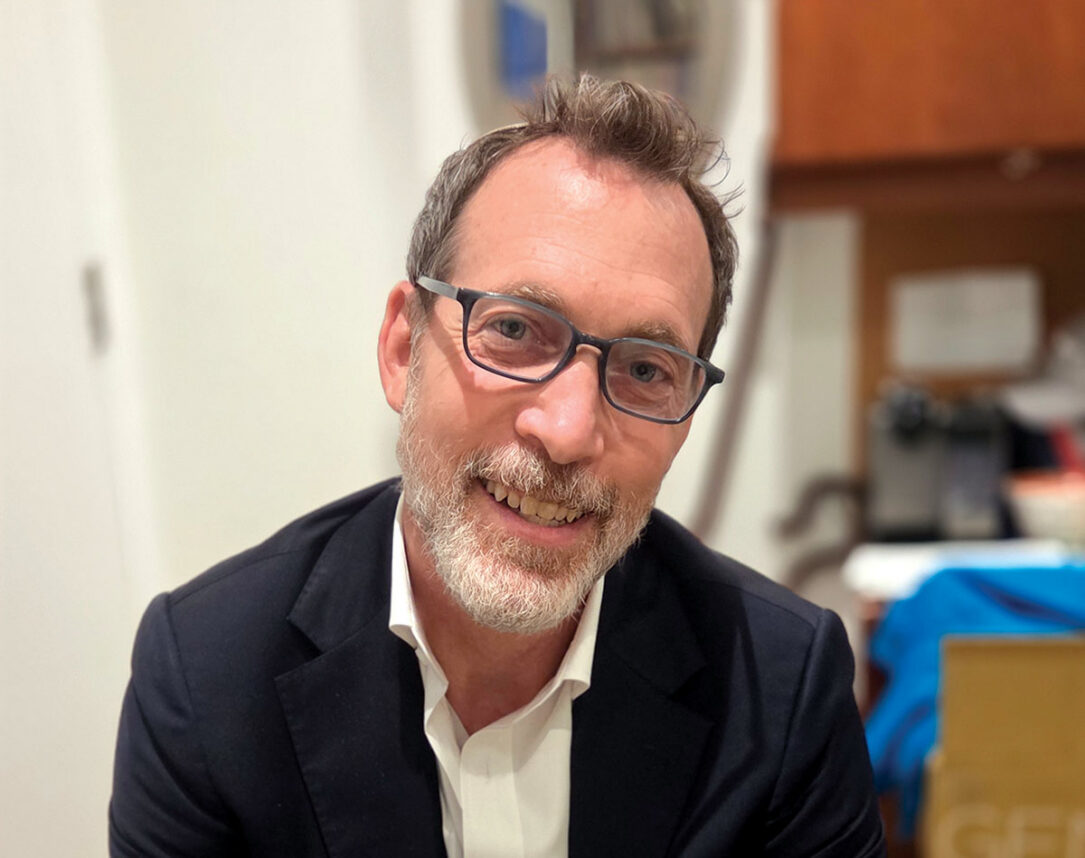
Gil Troy is a distinguished scholar of North American history at McGill University in Toronto and author of the recently released “The Zionist Ideas.”