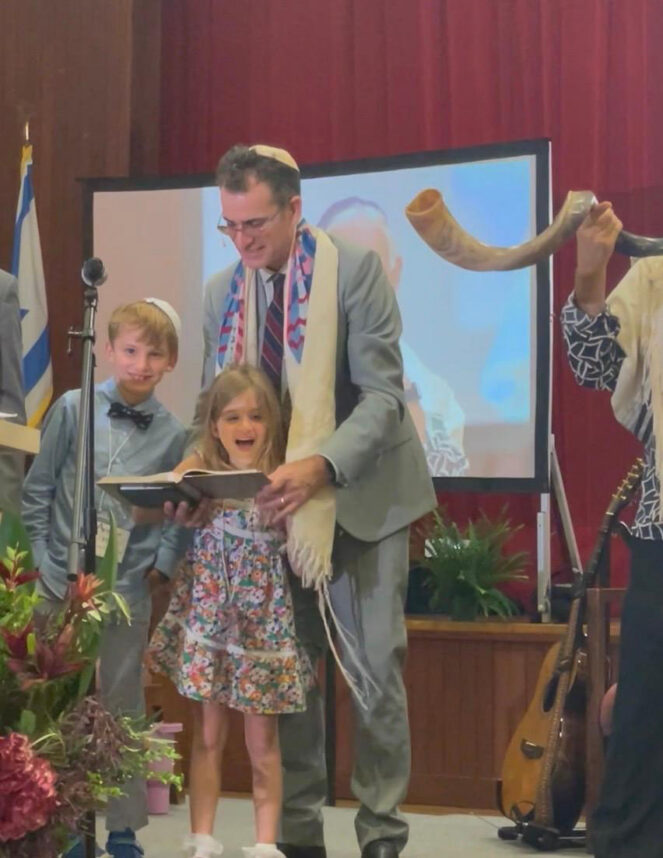
It’s 5 p.m. at our home, and that means one thing. Before dinner, we are going to sail through every one of the Jewish holidays (plus Martin Luther King Day and Israel Independence Day) with the Maccabeats. My kids dance and ask questions (“Is that really what Haman looked like?” “Why did they make this video on Zoom – are the Maccabeats stuck at home, too?”); my husband and I point out clever details in each video. This is essentially their only “screen time,” so I take great joy in increasing their appreciation for each song. It’s been going on this way for months.
It’s been a great supplement to my kids’ Jewish education that we review the entire calendar of Jewish life on a regular basis (read: nightly). “Do you know what I love most about these guys?” I ask my husband, who at first, is too busy hopping to the beat of “Latke Recipe” – never mind that it’s June – to answer.
“That they stay relevant with the times?” he guesses.
I point to our son, just two, who has put on a kippah specifically so he can emulate his favorite member of the a cappella group, and shake my head. “Our kids have Jewish rock stars. They think that cool musicians look like observant Jews.”
Looking back on my secular childhood in the ‘90s, outwardly expressed Judaism was certainly missing from my own media consumption – but it was not the only demographic missing. It’s shocking to think that there was so little effort at inclusion in film and television (‘bad guys’ were typically not white; heroes almost always were). Women were subtly and not-so-subtly sexualized and objectified, and only rarely were they in positions of authority.
I hate that all of this seeped into my consciousness.
In neighborhoods where Jews and other minorities live alongside each other but in very little contact, suspicion of one another has become a learned behavior.
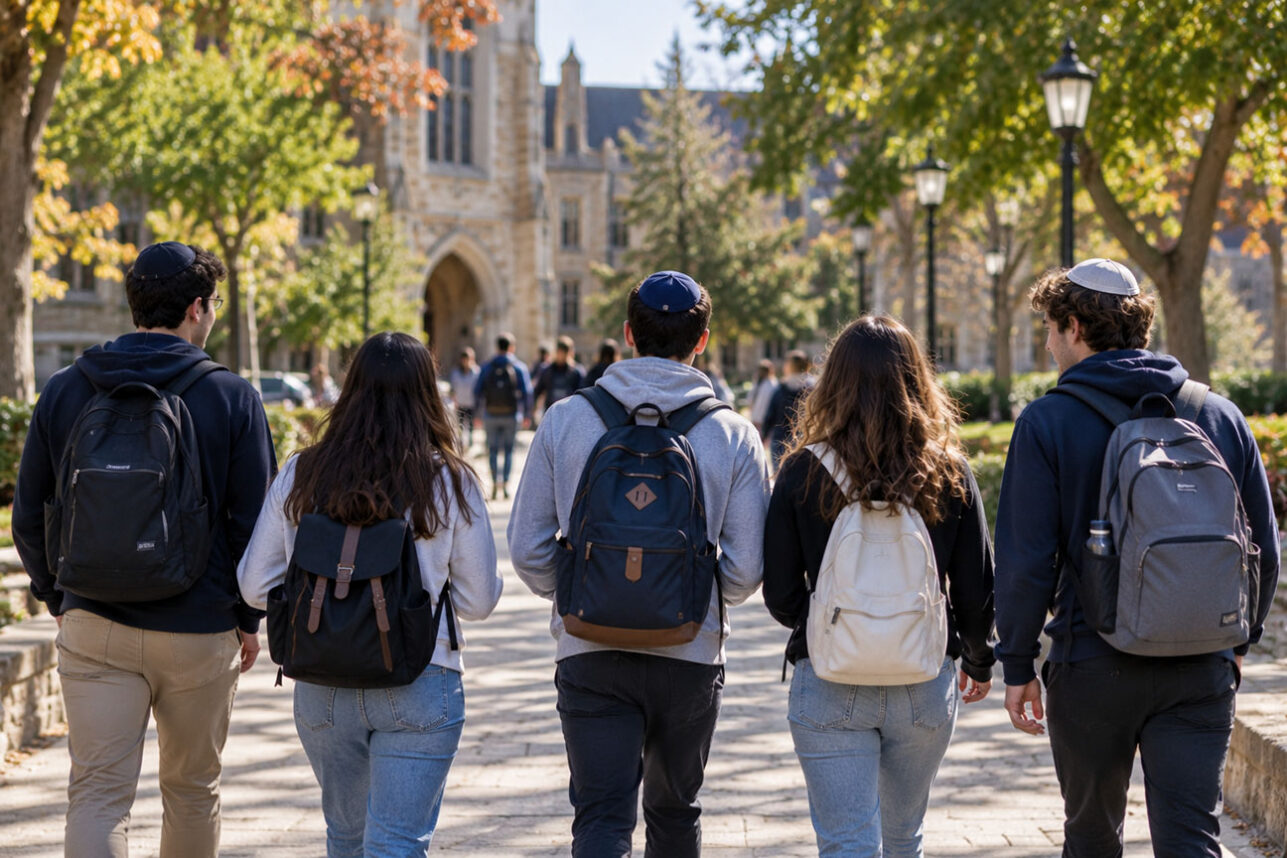
But now my concern has evolved. My children are being raised in a primarily Jewish community, and the majority of people we spend time with (or read about, or watch videos about) look like us. And while I’m thrilled to offer my children access to Jewish representation and education, this is a difficult environment in which to dismantle racism.
In neighborhoods where Jews and other minorities live alongside each other but in very little contact, suspicion of one another has become a learned behavior. Today, I’m committing to step one, which is recognition of the work that lies ahead and of the biases – intentional or unintentional – that exist within our world. If this makes you uncomfortable, I highly suggest that you take the time to consider why – and whether that discomfort is necessary or even good. One of my favorite reads on this topic is Malcolm Gladwell’s Talking to Strangers, a social psychology-based unpacking of how misunderstanding subtle nuances of behavior can have far-reaching consequences.
In graduate school, I remember embarrassing myself in a course on culturally competent counseling by pointing out that historically, Jews have never been seen as white by those who purport white superiority. What I was failing to understand is that I have indeed grown up as white (as have most Jews in America since at least the 1970s) and I have no idea what it is like to be scanned from 200 meters away and have someone recoil in fear or suspicion. I should have simply listened.
Our people know hatred and suffering, but we do not have a monopoly on it. I vow to understand this.
Our people know hatred and suffering, but we do not have a monopoly on it. I vow to understand this.
I also vow to never use the term “shv*rtza” or any such phrases, or to tolerate such language in my presence.
I vow not to teach my children to be afraid or suspicious of people simply for the color of their skin. This starts with me checking my own body language and unspoken behaviors.
If we do not embark on this rigorous self-examination, we risk not only failing in our role of being a ‘light unto the nations’, but in hindering the process towards justice and understanding that our complicated world endeavors towards. In the words of James Taylor (or as my children believe, the Maccabeats): “There are ties between us.”
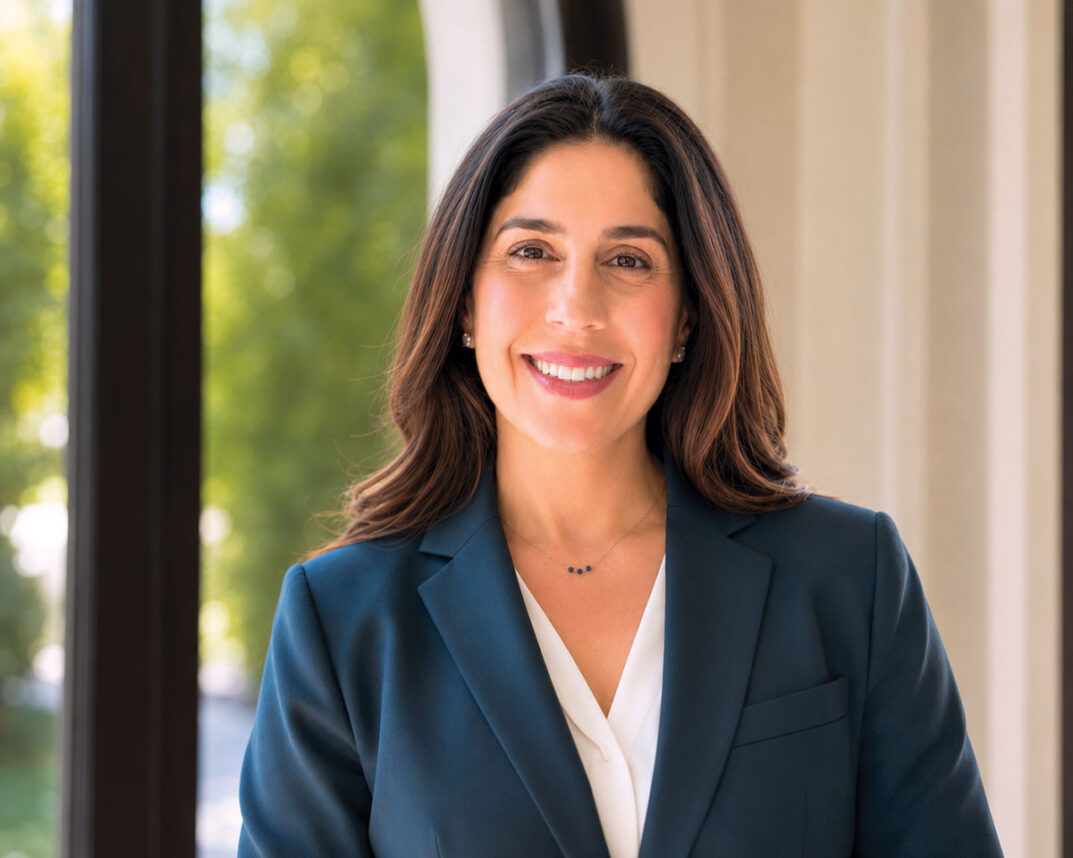
Jessica Brenner lives in northern California with her husband and two children. She works as an academic counselor in private practice and is a lifelong writer.