This post was originally published on JOFA’s Blog at The Jewish Week on March 22, 2017.
When we talk about inclusion, we normally think of it as a general strategy. Let’s be accessible! Let’s be welcoming! But the goal of inclusion is not just to apply these broad values in a community, but to also tailor inclusion practices to specific needs so that the efforts actually make a difference. Personalization in partnership with difference is the ultimate inclusion strategy.
At B’nai David-Judea, a Modern Orthodox synagogue in LA, this is exactly how we are approaching our inclusion of individuals of all abilities. In order to truly be inclusive, we believe we need to identify the individualized needs first so that we can properly and in the best way respond to them. We took this tailoring strategy because it is in alignment with our greater mission: To include all in prayer, Torah study, and the sacred work of being a Jew.
Whether we are raising awareness and decreasing stigma around mental illness or if we are addressing the delicate balance between upholding Torah law and welcoming our LGBT friends with love and respect, we recognize that inclusion is not one size fits all.
Close to a year ago, however, we wanted to step up our efforts to include individuals with physical and cognitive challenges. As a result, we started building awareness, implementing ‘people-first’ language, and acknowledging and responding to that which was going unseen.
We first saw the need during a women’s learning session, in which the issue of disabilities was raised. What began as a conversation discussing the needs of various community members from our synagogue turned into the formation of an Inclusion Committee, a volunteer-run group of individuals with a joint desire to help individuals with all needs. With help from HaMercaz, a local organization (funded by the Jewish Federation of Greater Los Angeles) with expertise in Jewish special needs inclusion, we began by determining areas of strength and areas of growth within our synagogue and ways we could impact the broader Los Angeles Jewish community.
Our initiatives within the Inclusion Committee focus on three major areas: physical accessibility of the synagogue, culture and awareness, and youth and families. Subcommittees were formed to focus on these areas.
In order to promote accessibility, we procured large print prayer books, magnifying sheets, and put up signs around the synagogue to publicize wheelchair-accessible bathrooms and elevators. Other future initiatives include developing better accessibility to our third floor where youth groups meet weekly and a wheelchair ramp to the bima for the women’s section in the sanctuary (the men’s section is already accessible).
Within the culture and awareness group, we devoted a section of our synagogue website to inclusion, providing resources for individuals of all ages and bolstering awareness of the need for inclusion within our community. The newly created Janet Wolf z”l Inclusion Fund, in memory of a congregant whose passion was working with children with special needs, will help provide monetary support for the Inclusion Committee’s important work. We joined with a local organization (ETTA) to host a Shabbaton for adults with special needs, and we continue to encourage extending Shabbat meal invitations to those who may be left out.
Our youth and families subcommittee is focusing on counselor training and how we register kids for our Shabbat youth program, and we are offering alternative options for bar/bat mitzvah kids to celebrate the unique abilities of each participant. In the works is an initiative to provide young adult learning and social activities, as well as family mentoring and a buddy program.
In implementing our ideas, we have also seen even more opportunities for inclusion, and we are eager to tackle those challenges.
As an Orthodox shul, we believe our inclusion efforts must be based in Torah and mitzvot. In Pirkei Avot 4:3 Ben Azai teaches, אַל תְּהִי בָז לְכָל אָדָם, וְאַל תְּהִי מַפְלִיג לְכָל דָּבָר, שֶׁאֵין לְךָ אָדָם שֶׁאֵין לוֹ שָׁעָה וְאֵין לְךָ דָבָר שֶׁאֵין לוֹ מָקוֹם “Do not scorn any person, and do not discount anything. For there is no person who has not their hour, and no thing that has not its place.”
This is the purpose of all of our inclusion initiatives at B’nai David-Judea. Every person who walks into our shul has something unique to give and receive. Each person has her hour and his place, and no one should be discounted or overlooked. Our job is to make our synagogue the right place at the right time for each individual, in partnership with those expressing the need. This is what we strive for when we tailor our inclusion efforts. Because inclusion is not one size fits all, we are committed to tailoring our garment so it truly fits each individual.
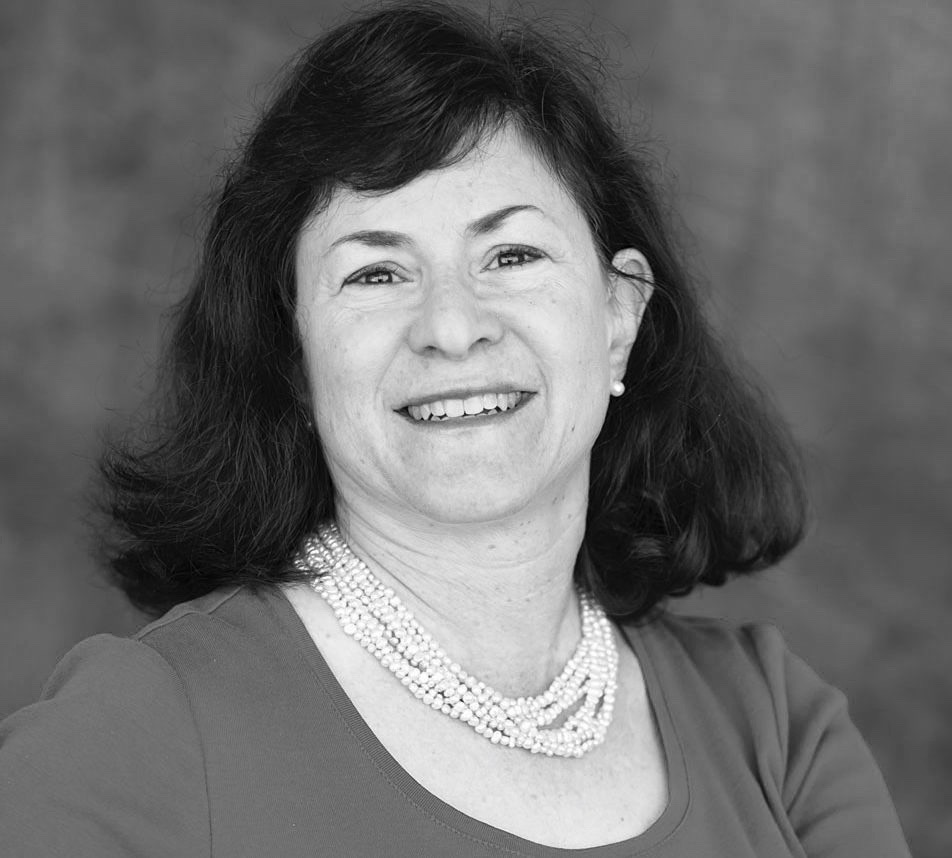
Debra Mizrahi Smith is the co-chair of B’nai David-Judea’s Inclusion Committee. Adynna Swarz is the executive director B’nai David-Judea. Rabbanit Alissa Thomas-Newborn is a clergy member at B’nai David-Judea.
Note from Michelle K. Wolf: Synagogues interested in starting their own Inclusion Committees can order the definitive guide, The Jewish Community Guide to Inclusion of People with Disabilities on how to get started, create a plan and implement a customized program, written by Shelly Christensen, MA, a national leader and innovator in this field.