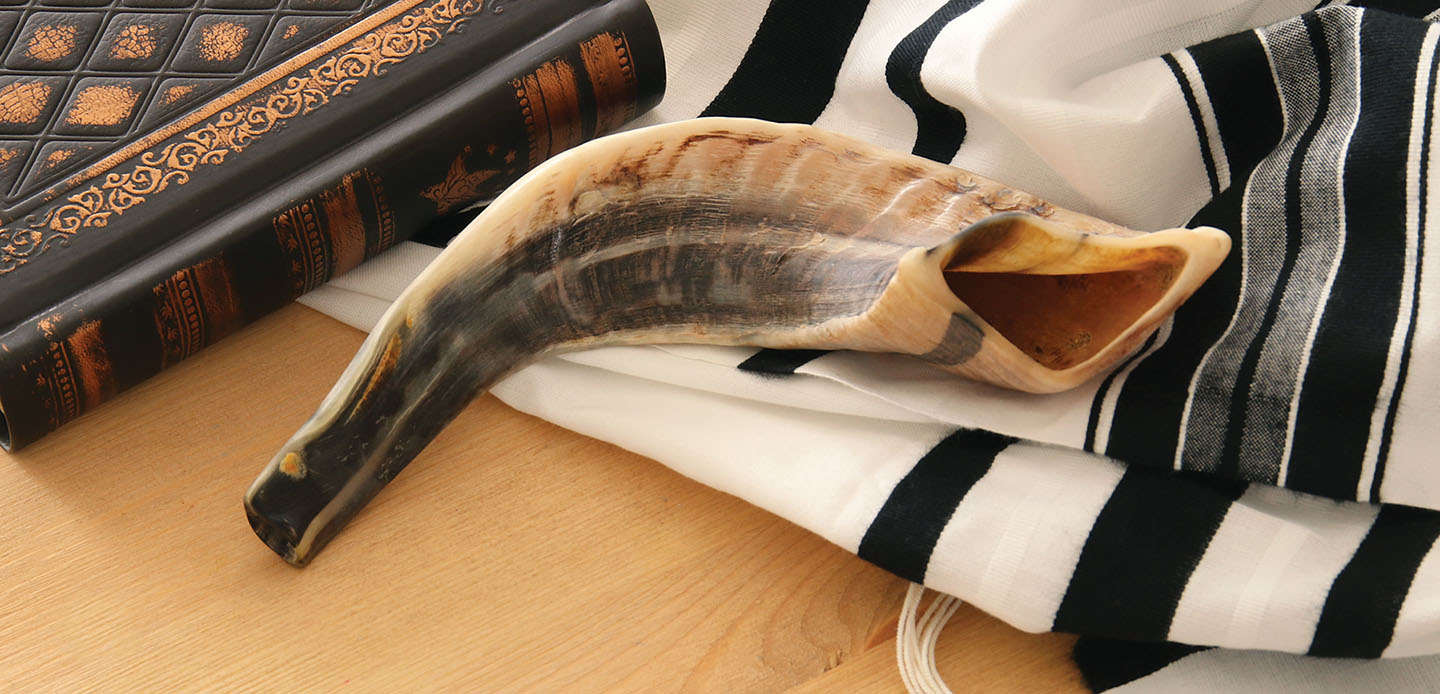
Ah, the High Holy Day appeal. That time-honored tradition when the synagogue president stands up, makes a joke that doesn’t quite land, extolls the importance of community, and then asks a captive audience of paid ticket holders for more money. But why?
Most practically, the timing simply aligns to the most highly attended services of the year. In many communities, this single fundraiser provides a major chunk of the synagogue’s operating expenses, or raises vital funds for other local causes and Israel.
More importantly, the appeal underscores that tzedakah is not a distraction from the holy days, but an elemental aspect of them.
This connection is woven directly into our liturgy. Congregants repeatedly recite the momentous declaration during Rosh Hashanah and Yom Kippur: “U-teshuvah, u-tefillah, u-tzedakah ma’avirin et roah hagezerah” — “Repentance, prayer and charity annul the harsh decree.”
The cynic might imagine that we’re paying off God. But Jewish wisdom understands that action is what confirms our true intentions. Yes, deep contemplation and prayer are great, as is preaching about tzedek, meaning “justice” or “righteousness.” But it is the actual giving of tzedakah that provides the tangible response.
Actively sharing our resources and restoring equity translates our spiritual intentions into a concrete, financial commitment. Without it, we are like the people the prophet Isaiah rebuked for fasting while simultaneously oppressing their workers and failing to feed the hungry.
In the past three and a half years leading the Jewish Community Foundation of Los Angeles, I have had the privilege to help our generous clients give away more than $700 million to charity. I’ll humbly offer the following six suggestions in case they can be helpful right now:
1. Give, and give often. Smaller amounts with greater frequency train the heart to be generous and kind.
2. Give according to your true capacity. If you don’t have much, just give a little. If you have a lot, consider giving 10% and even up to 20% of your adjusted gross income, or a percentage of your net worth.
3. Give appreciated assets. Cash is the most expensive way to give. See if you have stocks or even real estate that might be much more tax efficient to donate. If you’re 70 ½ and above, give first from your IRA’s required minimum distribution. Google it to learn more.
4. Evaluate the impact of the organizations you support. Is it measurable? Or are you just giving out of habit to the same nonprofits year after year?
5. Consider stretching your charitable horizons this year by supporting a new cause or two. Ask a friend or family member for ideas.
6. Inspire others. Our friends and family pay attention to what we do, not what we say. Include them in conversations about where you give. Share your intention to give away a portion of your estate. Give a bar or bat mitzvah celebrant two checks, one of which they keep and one to send to a charity of their choice.
If you do not already have a defined giving focus, now is the ideal time to identify one or two areas that align with your passions. Whether your heart lies in combating antisemitism, reducing homelessness, feeding the hungry, supporting the elderly, investing in Jewish education, honoring Holocaust survivors, standing with Israel, protecting immigrants’ rights or helping those with special needs, narrowing your focus allows you to truly learn the issues facing that cause and maximize your impact.
Consider using a Donor Advised Fund, such as those offered at jclfa.org. It’s like a charitable checking account enabling you to give tzedakah more strategically. You give where you want and when you want, but you get a full tax deduction immediately upon contributing to your account. My wife and I have had one for more than 10 years and love it!
I am inspired daily by the profound generosity and impact of L.A.’s Jewish philanthropists. I also marvel at the power tzedakah gives us to do good in the world. And I see evidence from our clients of Judaism’s promise to reward the generous with even more resources.
This year, we have a wonderful opportunity to integrate our giving into the soul work we’re doing during this High Holiday season and commit to making giving a central practice for the coming year. While we may never fully know the spiritual outcome of our High Holy Day prayers or the impact of our repentance, the tangible power of tzedakah is undeniable. Every dollar contributed leaves an imprint. So let’s uplift one another, build a better world, and hopefully also annul the evil decree!
Shana tovah, and may 5787 bring abundant blessings and much good health to you and your loved ones.
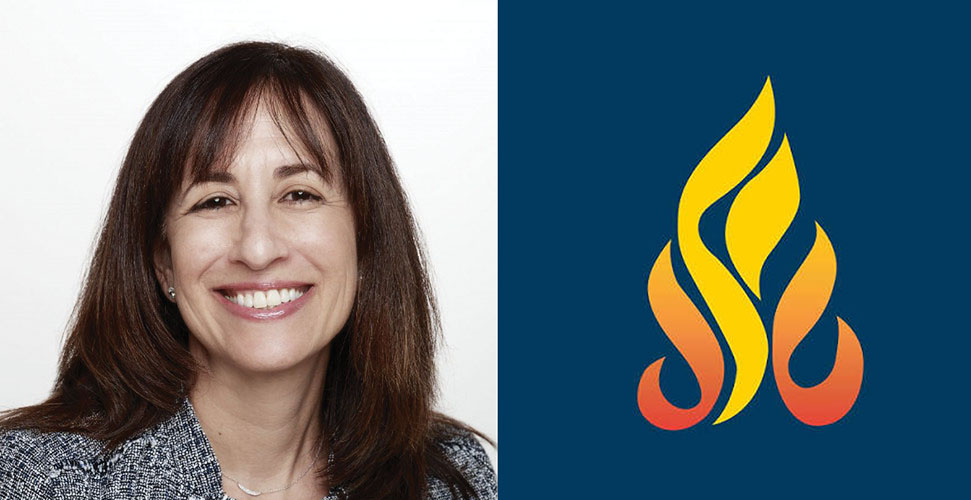
Rabbi Aaron Lerner is president and CEO of the Jewish Community Foundation of Los Angeles which manages $1.5 billion of assets and distributes over $200 million in grants annually on behalf of its 1,400+ fundholder clients.