
Rosh Hashanah is usually translated as the Jewish New Year, but it is less a celebration of a new calendar than an invitation to reconsider a life. The Hebrew word shanah, year, contains a remarkable tension. It echoes shinui, change, but also shanan, repetition and reinforcement, as in veshinantam levanecha — the command in the Shema to teach these words repeatedly to our children. Every new year therefore confronts us with a seminal question: What in our lives is worth repeating, and what needs to change?
That question begins a journey that starts during Elul and carries us through Rosh Hashanah, the Ten Days of Repentance and Yom Kippur. Elul is the season of preparation and repair, a time to attend to relationships, make apologies and reconsider promises postponed. Rosh Hashanah then asks us to stand in judgment — not merely asking, “What do we want from the coming year?” but the more demanding question, “What does the coming year require from us?”
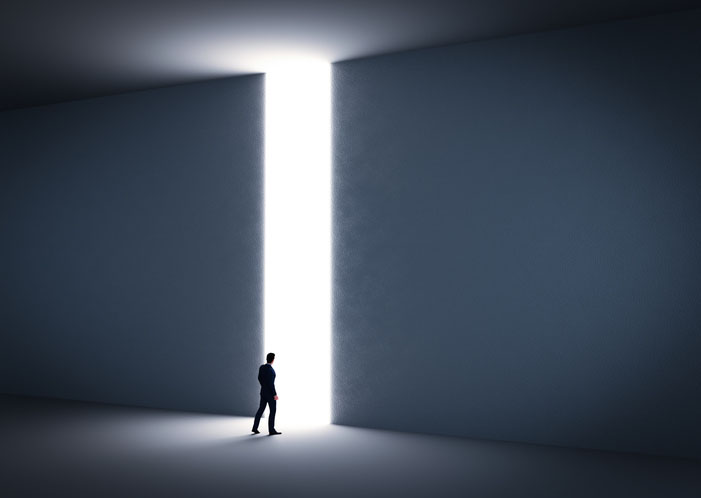
Rabbi Jonathan Sacks offers a beautiful image for this journey. The three great words of the High Holiday liturgy — teshuvah (return), tefillah (prayer) and tzedakah (acts of charity) — describe a spiritual journey in three dimensions. Teshuvah takes us inward, into the deepest recesses of ourselves, asking who we are and who we wish to become. Tefillah takes us upward, beyond ourselves toward Heaven, reminding us that life acquires meaning when it is connected to something greater than ourselves. And tzedakah takes us outward, toward other human beings, beginning with those closest to us and extending to the wider community. The religious life is therefore not an escape from the world. It is a movement inward, upward and outward — toward self-knowledge, transcendence and responsibility.
Even the moon tells the story. Pesach and Sukkot begin beneath a full moon, but Rosh Hashanah arrives when the moon is almost invisible. Yet its darkness is not its end; it is the beginning of its renewal. Chodesh, month, resonates with chadash, new, and chiddush, renewal. Jewish time reminds us that what has diminished can become whole again.
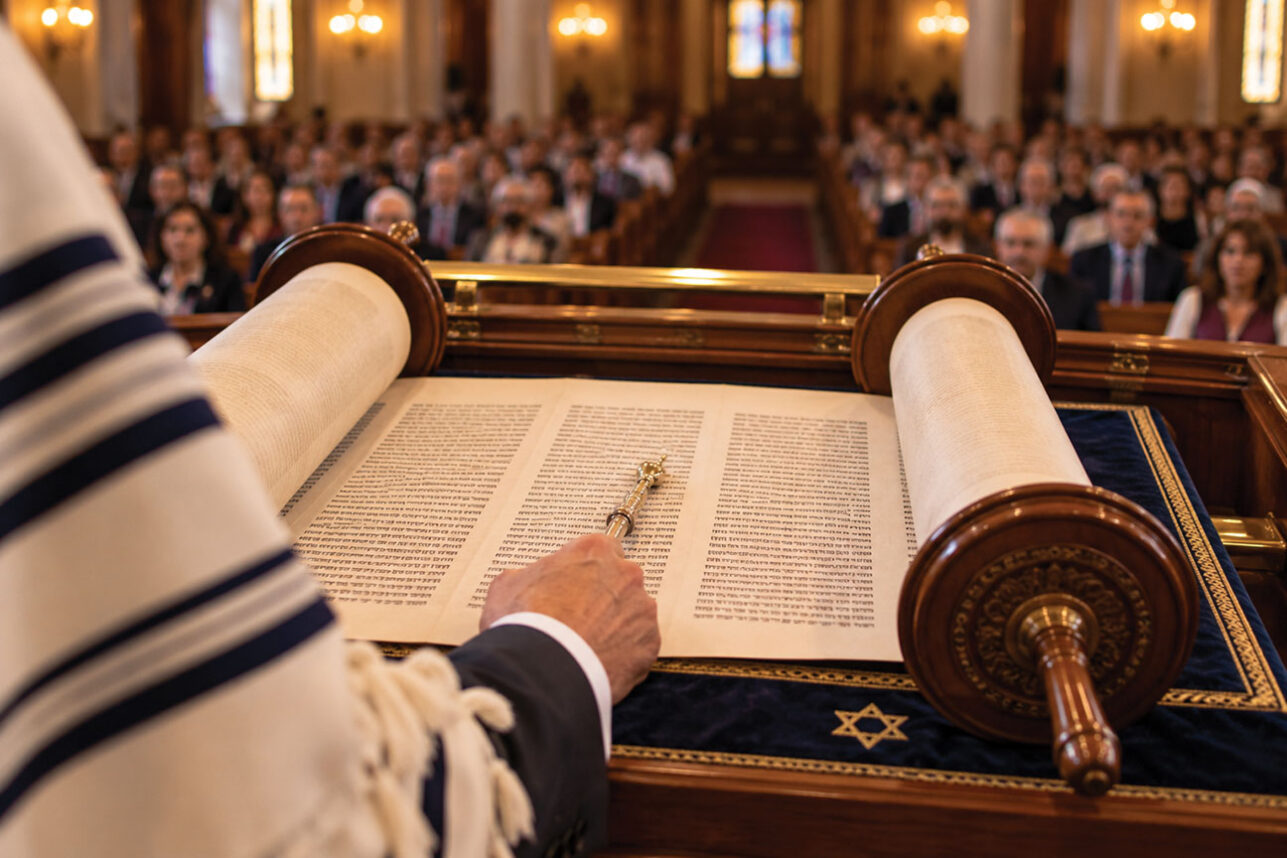
At the center of Rosh Hashanah is the shofar. Maimonides understood its cry as a summons: Wake up. Examine your actions. Remember what matters. It cuts through the noise with which we surround ourselves and asks whether we are living deliberately or simply repeating yesterday.
From Rosh Hashanah we move through the Ten Days to Yom Kippur. The sequence is psychologically profound. First comes accountability, the courage to see ourselves truthfully. Then comes teshuvah, the possibility of changing direction. Finally comes atonement — or, more suggestively, at-one-ment: the restoration of wholeness in our relationships with others, with ourselves and with God.
The Rosh Hashanah liturgy declares, Hayom harat olam — “Today the world is born.” Creation is not only something that happened once at the beginning of time. Each year we are invited to participate in creation again — the recreation of ourselves.
That is the journey of these extraordinary days: inward through teshuvah, upward through tefillah, outward through tzedakah and forward toward a life renewed.
And it begins with the deceptively simple question contained within shanah itself:
What should we repeat — and what are we ready to change?
Selwyn Gerber is Founder and Chief Strategist of RVW Wealth LLC.