fbpx

Sephardic Torah from the Holy Land | A Bat Mitzvah of Sephardic Continuity

This was a Bat Mitzvah for the present, and for our future.
[additional-authors]
March 27, 2025
Talia

It was beautiful, spiritually uplifting and inspirational. Everyone present – family, close friends, community – was moved to tears. The emotions in the room were a magical blend of pride, joy and celebration. Together we witnessed a powerful moment of Jewish continuity, along with a particularly unique expression of Sephardic continuity.

This was the Bat Mitzvah of my closest friend’s daughter. It’s the reason Peni and I flew into Los Angeles from Israel last week. We’ve been to many such celebrations, and they all have their own unique charm and beauty. This one was special.

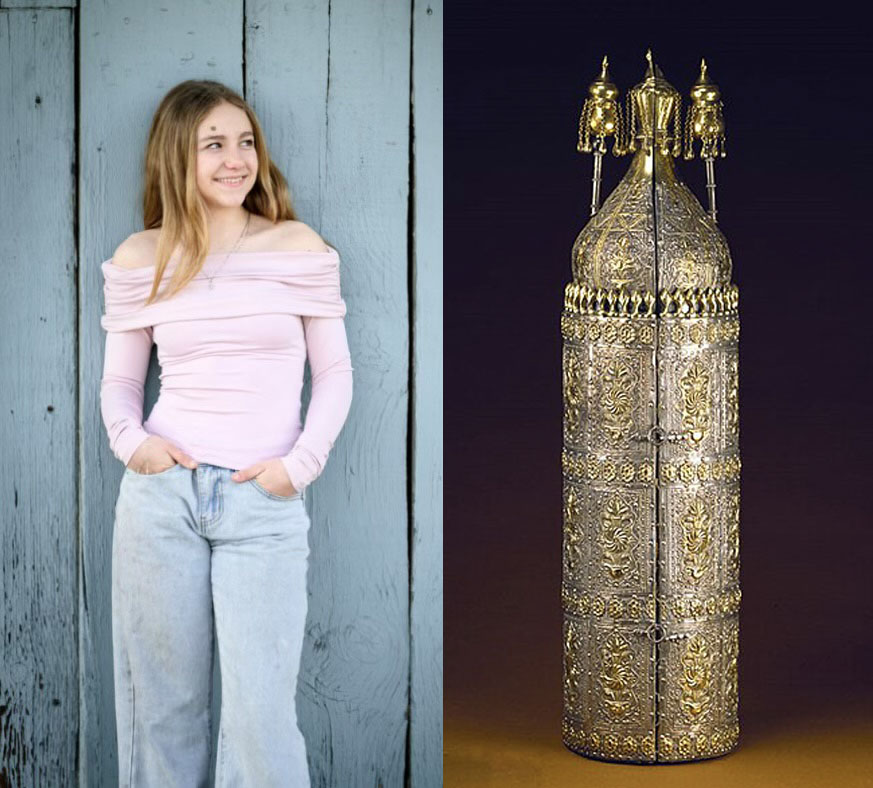
With her radiant smile and superstar stage presence, Talia walked up to the Bimah and took command of the service with absolute confidence. In her sweet and soulful voice, along with her perfectly Israeli-accented Hebrew, Talia chanted the morning blessings (Birkot Hashakhar), the morning Psalms (Psukei D’Zimra/Zemirot), and significant portions of Shaharit – including the Shema, which she preceded with a meaningful Dvar Torah as to why it’s so powerful that the Torah commands us V’Ahavta – You shall love.

A few months ago, in a telephone conversation from Israel, Talia and her father told me about her preparations for this great day, which included learning to read from the Torah. The Bat Mitzvah would take place in an Ashkenazi synagogue, and she would be learning the Ashkenazi Torah trope.

“Would you like to learn one of the Aliyot in Sephardic Ta’amim?” I asked. Talia’s father, Isack Fadlon, was born in Israel but raised in the United States. He taught Talia to speak fluent Israeli Hebrew, and also taught her about her Sephardic heritage from Middle Eastern countries. Talia knows all about that through the delicious Sephardic foods her Savta and aunts prepare at their Shabbat dinners, as well as through the many trips she has taken to Israel.

She was thrilled by my offer, and a few months later – on her Bat Mitzvah – we all experienced a powerful moment of Sephardic continuity. 

Talia read the first four aliyot in Ashkenazi trope, from a standard Ashkenazi Torah scroll. For the fifth Aliyah, which would be her Bat Mitzvah Aliyah to the Torah, she switched to the Sephardic Ta’amim of her heritage. For that Aliyah, we took out a gorgeous Sephardic-case Torah scroll that the synagogue owns.

We all heard a Sephardic young lady born and raised in the United States, skillfully reading with great pride from an ancient Sephardic-case Torah scroll, in the tune of the Sephardic Ta’amim of her ancestors.

Chills down my spine, tears in my eyes, and the reassurance of knowing that Talia will help preserve her Sephardic traditions – her Savta’s Kubeh, her aunt’s Sabich, and the melodious Sephardic Ta’amim of Kriat Ha’Torah.

This was a Bat Mitzvah for the present, and for our future.

Mabruk, dear Talia.


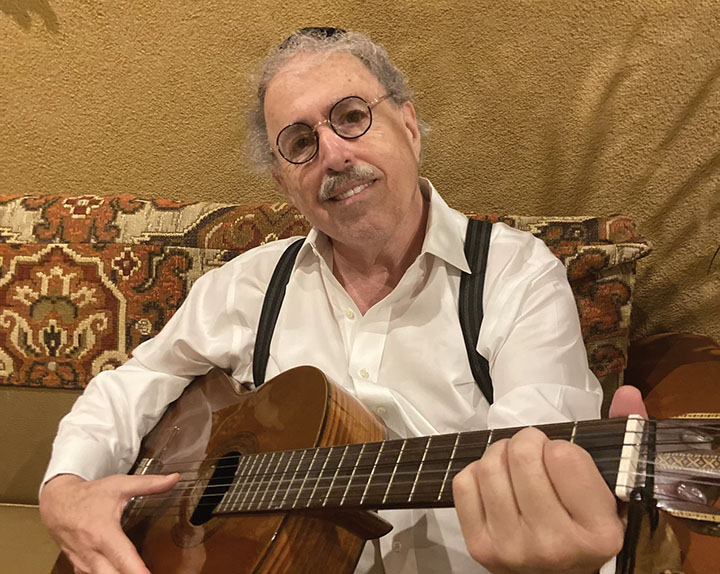
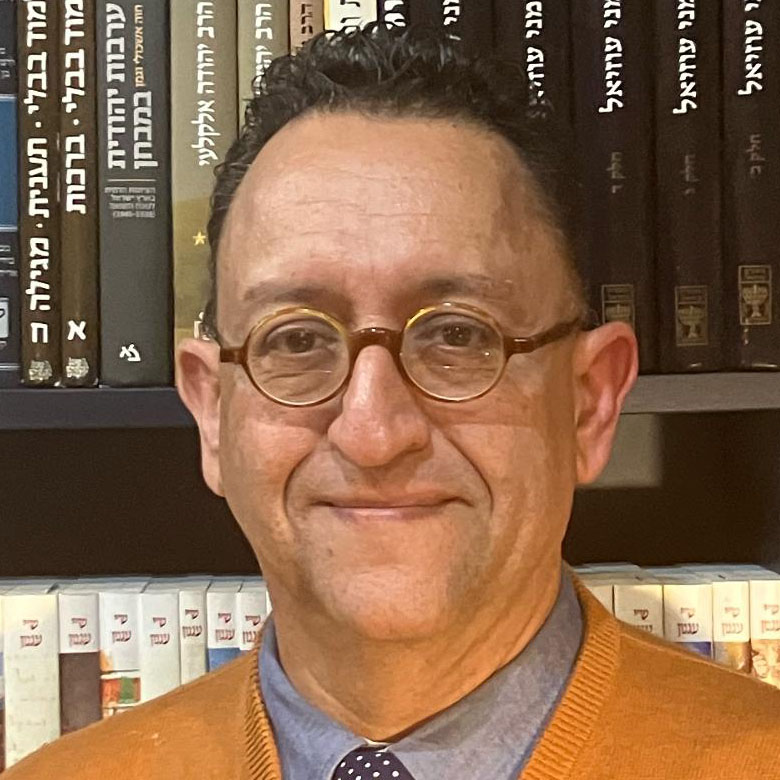
Rabbi Daniel Bouskila is the international director of the Sephardic Educational Center.

Did you enjoy this article?
You'll love our roundtable.

Editor's Picks

Latest Articles

The Beat Goes On

While so much of the world seems obsessed with and consumed by its hatred of Israel and Jews, Israelis continue to build, create, work, celebrate, argue, raise families, and plan for the future.

Viral AI Video Targets Jewish Comedian

“The biggest concern is that people now have a pathway to shut down Jewish voices through complete falsities that people will believe. … For the future of Jewish entertainment, it’s very scary.”

Yiddish Historians: Writing in Their Own Language for Their Own People

Mark Smith has compiled an important anthology of Jewish history using 49 works by Yiddish historians to recreate or at least open the door to a world of Jewish thought that was once almost mainstream, but which no longer exists, except in the minds of too few specialists.

The Everlasting Melody

Most Jews who have sung “Eitz Chaim” over the past half-century probably never knew Portnoy. They did not know when he wrote the melody or how young he was when he composed it. They simply knew the song.

Who’s Really the Victim?

Those who would revel in Israel’s demise are claiming victimhood on every front and denying attacks on us in the same breath.

Biblical Deterrence

After Oct. 7, the sentiment in Israel toward the Iranian leadership was unequivocal: You went medieval — so we will go biblical.

How Sukkot Makes Us Whole

This year, I bless us that we open our eyes to truly see the beauty and the holiness of the world, and of the person before us at each and every moment, and to see the godliness of their aspirations and their fears.

The New Ushpizot

Ushpizin invite us to “welcome in our ancestral constellation and dwell amongst them.” This year, it’s Ushpizot, for the women. It’s the year of the Feminist Visitation.

Macklemore, Or Less

In between his songs, he proclaimed, “Free Palestine,” which is fine, asserted that opposing Israeli military actions is not antisemitic, which is accurate, and accused Israel of apartheid and genocide, which is offensive, untrue and hateful.

The Rokeach’s Remarkable Sukkah

To Rabbi Eleazar ben Judah of Worms (1176-1238), the medieval German pietist known as the Rokeach, the sukkah symbolized Jewish military might.

The Sukkah and the Power of Endurance

They can destroy our Temples, demonize us in social media, shower us with hate, but they can’t destroy a spirit that never stops building. That enduring spirit is the power of the sukkah.

NY Mag’s Habibi City

A satirical response to Zaina Arafat’s erasure of Jews in her New York Magazine article “Habibi City,” written as Zaina Arafat.

The ‘Fauda’ Enigma

In many of the nations that believe Israel has no right to exist and routinely root for terrorists to slaughter Jews, a TV show that depicts Israeli covert operatives outsmarting and dispatching Arabs has an inexplicably loyal global audience.

More news and opinions than at a Shabbat dinner, right in your inbox.