This week I finally have three kids under one roof. It feels as if summer can officially begin. As the three reunited, they ran outside to color the sidewalk with an array of chalk.
My middle guy closed the front door and nervously yelled, “Mommy, I think we’re locked in!” He mixed up the phrase. He meant, he thought we were locked outside the house. We weren’t. But what great imagery. It was the exact moment in which I wanted to be locked in.
Locked into the magic of a late California afternoon, cool enough to be comfortable, warm enough to ignore the impending bedtime hour. Locked into three children miraculously not arguing, playing hopscotch, and illustrating the front walk with innocence and fun. Locked into a memory that I pray will typify 2022: appreciating each other, our blessings, and the world around us.
Often, when we take a great picture, someone might suggest: frame that one. But the suggestion comes after the experience. Locked in is being present in the moment and locked into the diary of time. Capturing a sliver of pure bliss.
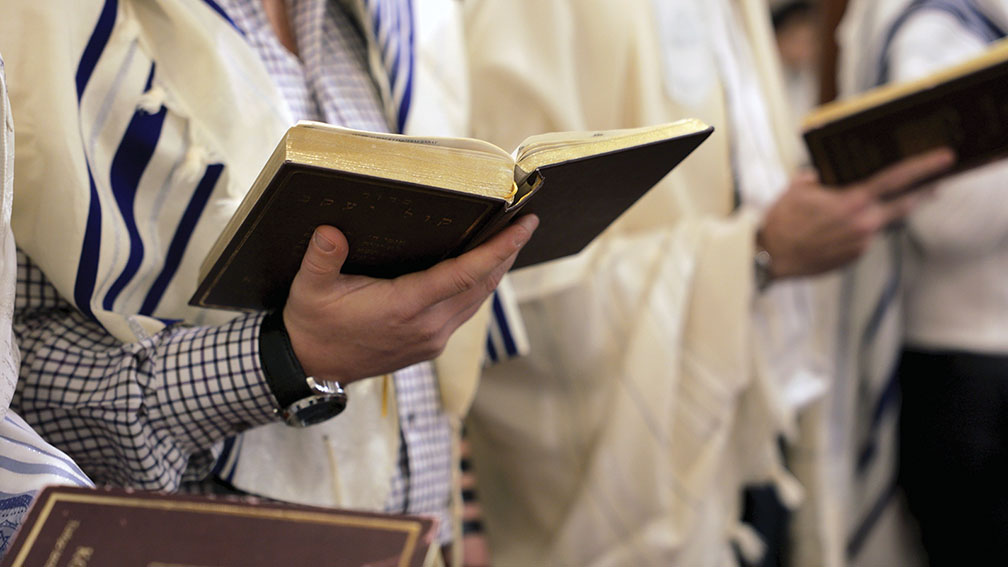
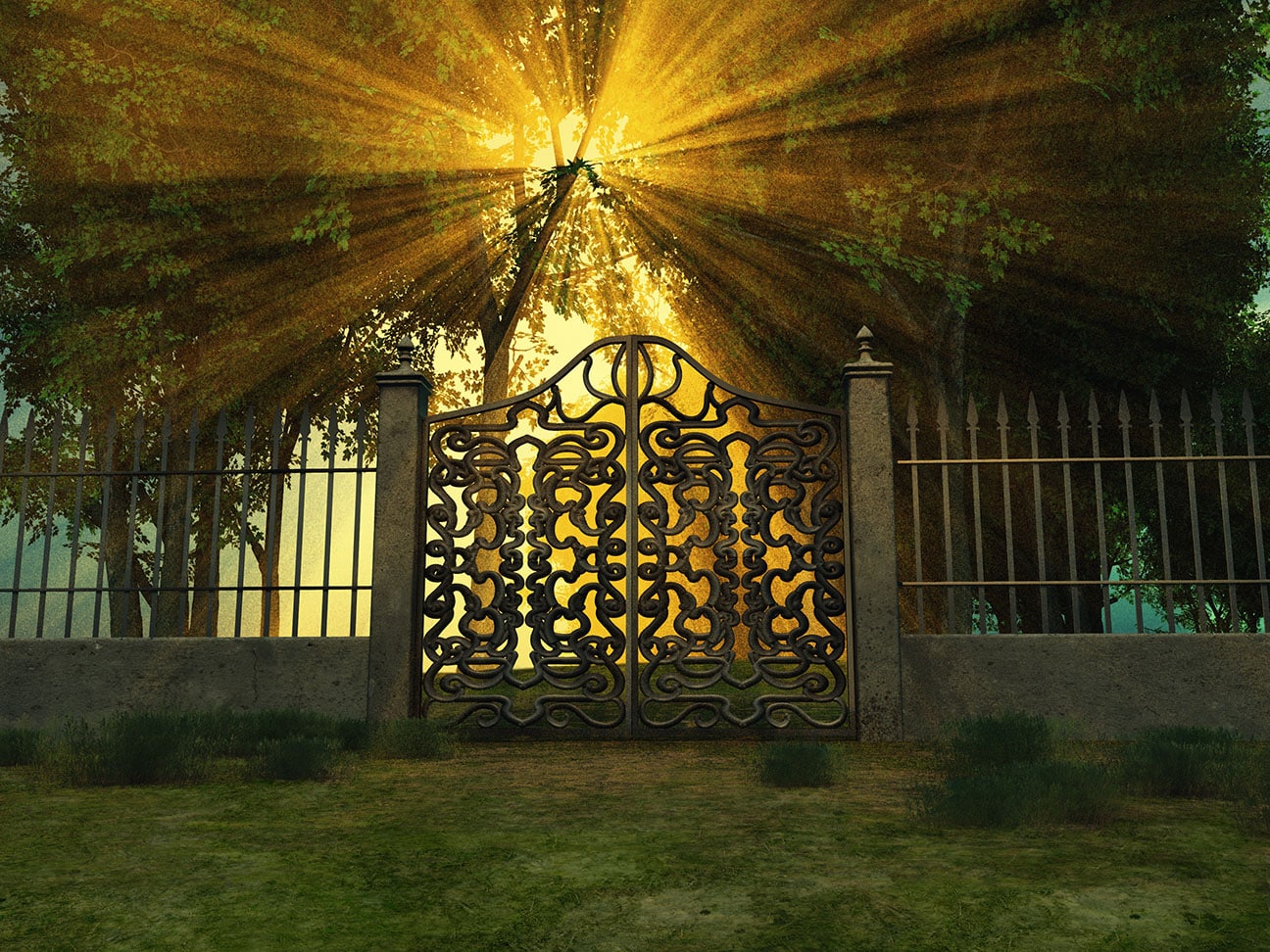
A preview of months to come: I can’t help but think about the final service during the High Holy Days, Neilah. The service in which we imagine the gates of repentance closing, asking God to seal us in the Book of Life. But during these long summer days and nights, we conjure up different gates, asking God to lock in contentment, to lock in joy, to lock in love.
May these be the memories sealed for eternity. Amen.
Shabbat Shalom
Rabbi Nicole Guzik is a rabbi at Sinai Temple. She can be reached at her Facebook page at Rabbi Nicole Guzik or on Instagram @rabbiguzik. For more writings, visit Rabbi Guzik’s blog section from Sinai Temple’s website.