WASHINGTON D.C.: United States media coverage of Israel causes plenty of division among Jews within America. But what do journalists based in Israel think of the American media’s coverage of the Jewish state?
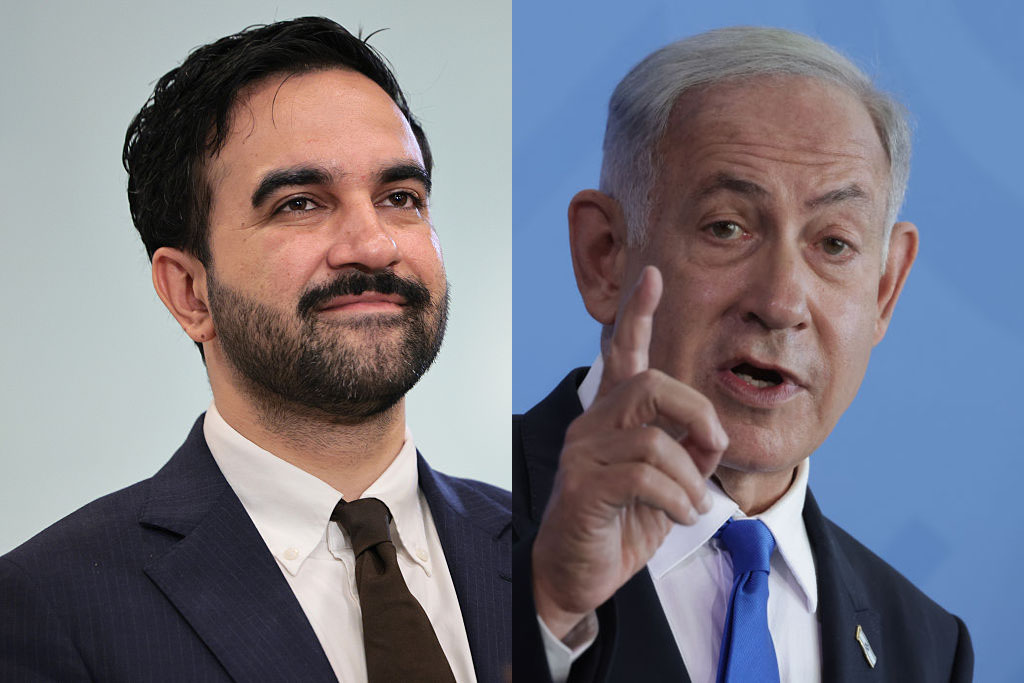
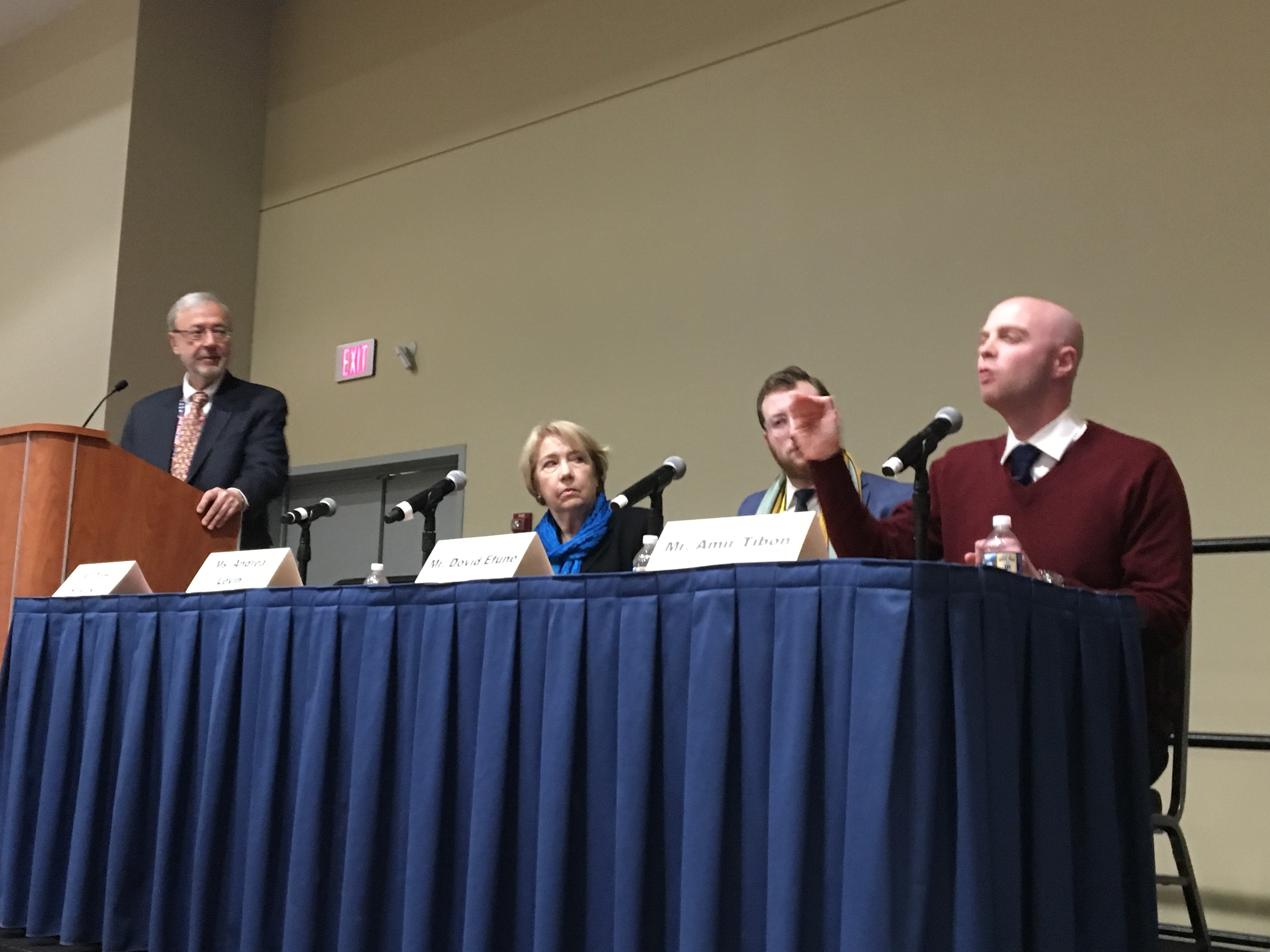
In an AIPAC breakout session moderated by AIPAC’s Director of Programming in Jerusalem Tom Sawicki, Andrea Levin, director of the Committee for Accurate Reporting in the Middle East (CAMERA); Dovid Efune, editor-in-chief of the Algemeiner; and Ha’aretz journalist Amir Tibon shared their perspectives.
“The coverage fluctuates to some extent with events that are happening in Middle East,” Levin said. “I don’t think there’s a sufficiently wide range [of coverage].” She cited — in several instances — the New York Times as one of the most influential media outlets and said there is far too much coverage of Israel’s actions and not enough about Israel’s adversaries.
“[The media] tends to focus on the Israeli’s, their behavior, their alleged misconduct, and there is far too little coverage of the forces that operate within the Palestinian Authority, the corruption in the Palestinian Authority and the fact that journalists are being imprisoned and tortured in the Palestinian Authority,” she said.
Efune added that everything — not just the media — is politicized these days. “I think it’s fair to say along more partisan lines we see differing coverage,” he said. “It’s true the bulk of US mainstream media veers more to the left or progressive side of the narrative.” However, he added, the biggest issue with most media outlets is the lack of historical context. “You can win any argument if you can decide when to start the clock,” he said.
Tibon said that in general there is a lack of discussion of internal Palestinian politics and more coverage of Israeli politics. “Whether that coverage is good or not – I have my own thoughts,” he said to laughter.
On a more serious note, Tibon said in general there isn’t any real discussion in the media about “what is happening between Hamas and Fatah. Where is the political standing of Mahmoud Abbas? Who could be his successor? What is driving protests in Gaza and the West bank right now? How do different Palestinian political factions view the Trump administration or political events in Israel? That’s something I believe is missing,” he said.
Discussing flaws in the coverage of Israel by US media outlets, Levin said, “Everything is identity politics [with the media. For them], it matters who is speaking rather than what’s happening. It’s a true corruption of neutrality and objectivity.”
Efune said the media is moving into a new era and “we need to narrow the gap between the editor and the publisher and the reader and understand what’s really important to people and let go of this parochial imposition.”
Asked if there is a herd mentality in Israel coverage by US media, Tibon said, “When we as journalists cover other people’s wars and conflicts it’s very challenging. You need to be prepared for the idea that people who care deeply about an issue are going to complain.”
Levin spoke about the Israeli withdrawal from Gaza in 2005 and how she met with an Israeli official a few months beforehand. She said that official told her once Israel pulled out of Gaza, “the world will change, there will be sympathy for us and people will finally understand.”
However, Levin said, it’s clear that didn’t work. “Israel needs to act in its own self-interest – not to curry favor because you cannot curry that favor. The most important thing is to fight for the truth and state the truth – but not to think that taking certain actions or policies with the belief this will somehow change the perception.”
Sawicki asked if Benny Gantz wins the upcoming Israeli election and offers up a big peace plan, will the media’s perception of Israel change? Tibon said, “First let’s see if he can win, but even if he can I don’t think it he will do anything different on this issue than Netanyahu because this issue is not a prime ministerial issue, it’s a coalition issue and Gantz will still have a right-wing coalition.”
More importantly, he said, to enthusiastic applause, “Israel should not make its policies based on what will be written about it in the New York Times or what will be said about us on Fox News.”
He said the most important thing is Israel making policies based on its national security interests and long-term interests of prosperity and survival, “not because of an editorial article here or there.”
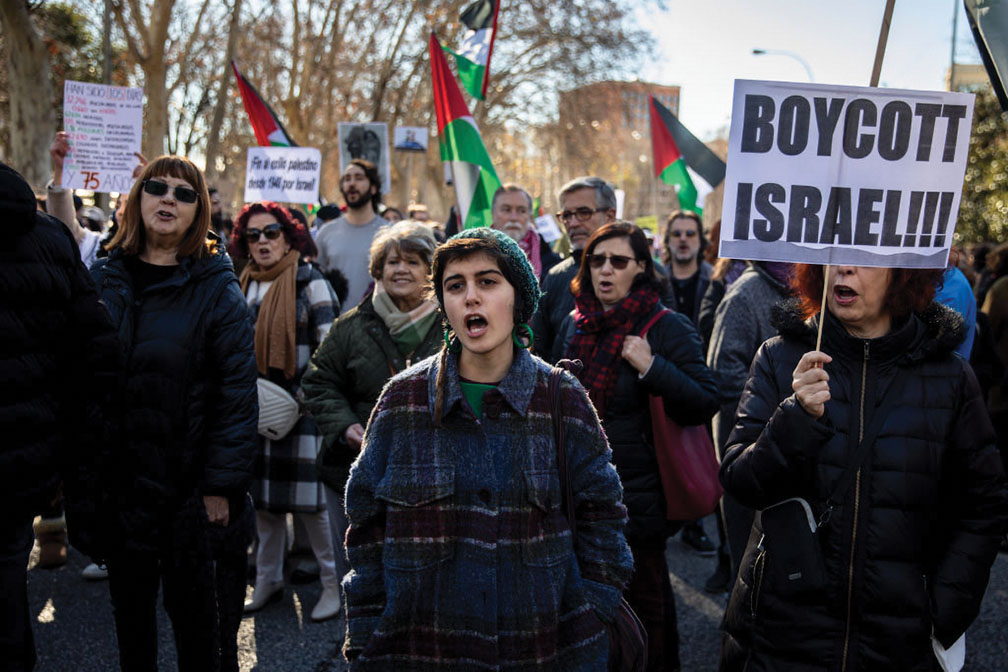
Overall, Tibon said, when it comes to the question of how Israel’s actions impact public opinion “many people will hate us no matter what. The question is are we helping them or are we making their argument less persuasive?”
He said that there will always be 25 percent of people that you will never convince that “we are good and righteous and have the right to our own country.” But, he said, “can we do things that will keep that to 25 percent and not grow to 40 or 50 percent?”
At the end of the day, Tibon said, decisions need to be made about setting Israel’s borders “and living in peace with our neighbors and not being in control of another people because its in our interests, not because of the editorial line of some newspaper.”