fbpx

Rosner’s Torah Talk: Parshat Noah with Rabbi Benjamin Sternman

[additional-authors]
October 11, 2018

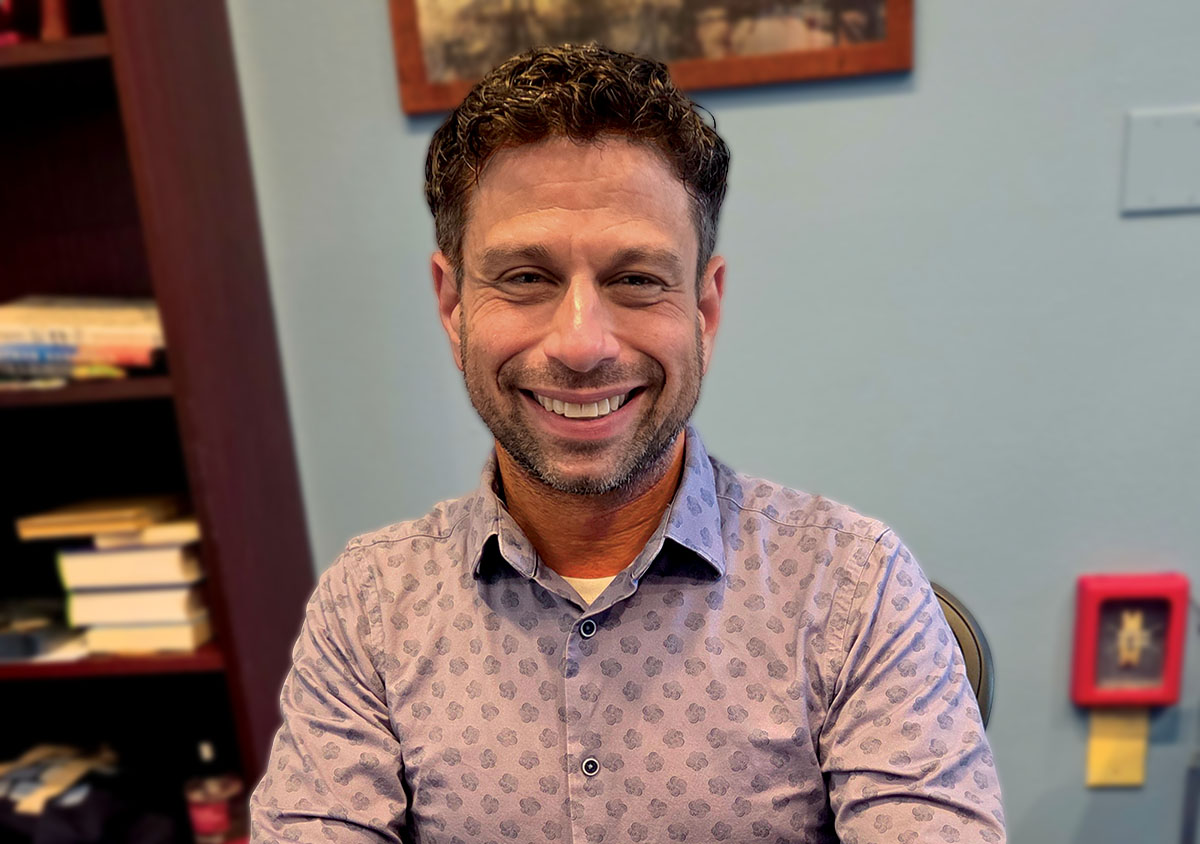
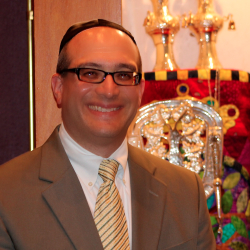
Rabbi, Benjamin D. Sternman is the spiritual leader of Adat Chaverim in Plano, Texas. Rabbi Sternman received his bachelor’s degree from Cornell, followed by his MBA. He entered the world of corporate finance and soon found that while he loved solving the mathematical puzzles required for his work, he didn’t feel it was completely fulfilling. He finally decided to trade the world of high finance for the life of a Reform rabbi – and he has never looked back. Rabbi Sternman joined Adat Chaverim in 2012 and is thrilled to have found his own spiritual home within the congregation.

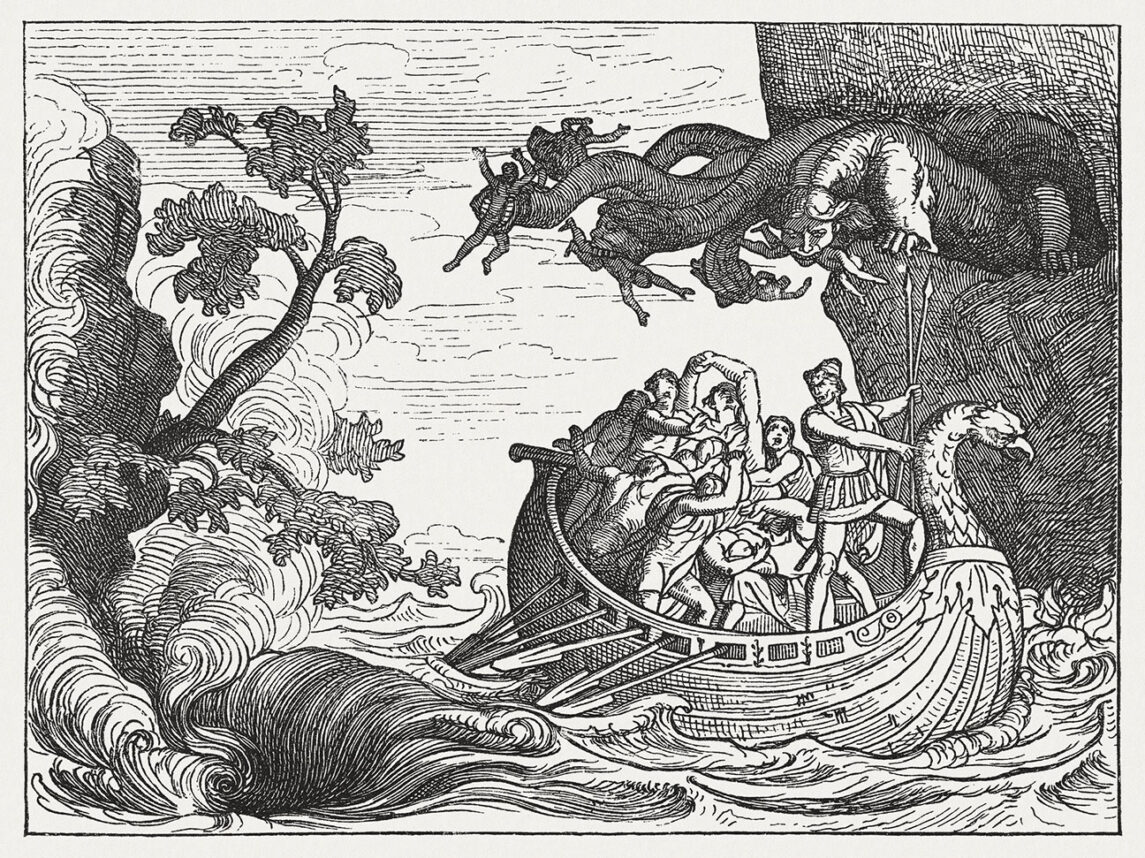
In Parshat Noah, G‑d instructs Noah to build a large wooden teivah (“ark”). A great deluge, wipes out all life from the face of the earth; but the ark floats upon the water, sheltering Noah and his family, and two members of each animal species.

Rain falls for 40 days, the waters churn for 150 days more. Then the ark settles on Mount Ararat, and Noah dispatches a raven, and then a series of doves, “to see if the waters were abated from the face of the earth.”

Noah builds an altar. G‑d swears never again to destroy all of mankind because of their deeds, and sets a rainbow as a testimony of His new covenant with man.

The people defy God by building a great tower to symbolize their invincibility; G‑d confuses their language, causing them to abandon their project and disperse across the face of the earth, splitting into seventy nations.


Previous Talks on Parshat Noah

Rabbi Lucy Dinner

Rabbi Mishael Zion

Rabbi Sarah Hronsky

Rabbi Mosheh Lichtenstein

Rabbi Yona Berman


Did you enjoy this article?
You'll love our roundtable.

Editor's Picks

Latest Articles

Bringing Israeli Doctors Back

ScienceAbroad works with two groups in medicine: physicians who leave Israel for fellowships and Israeli students who attend medical school in Europe.

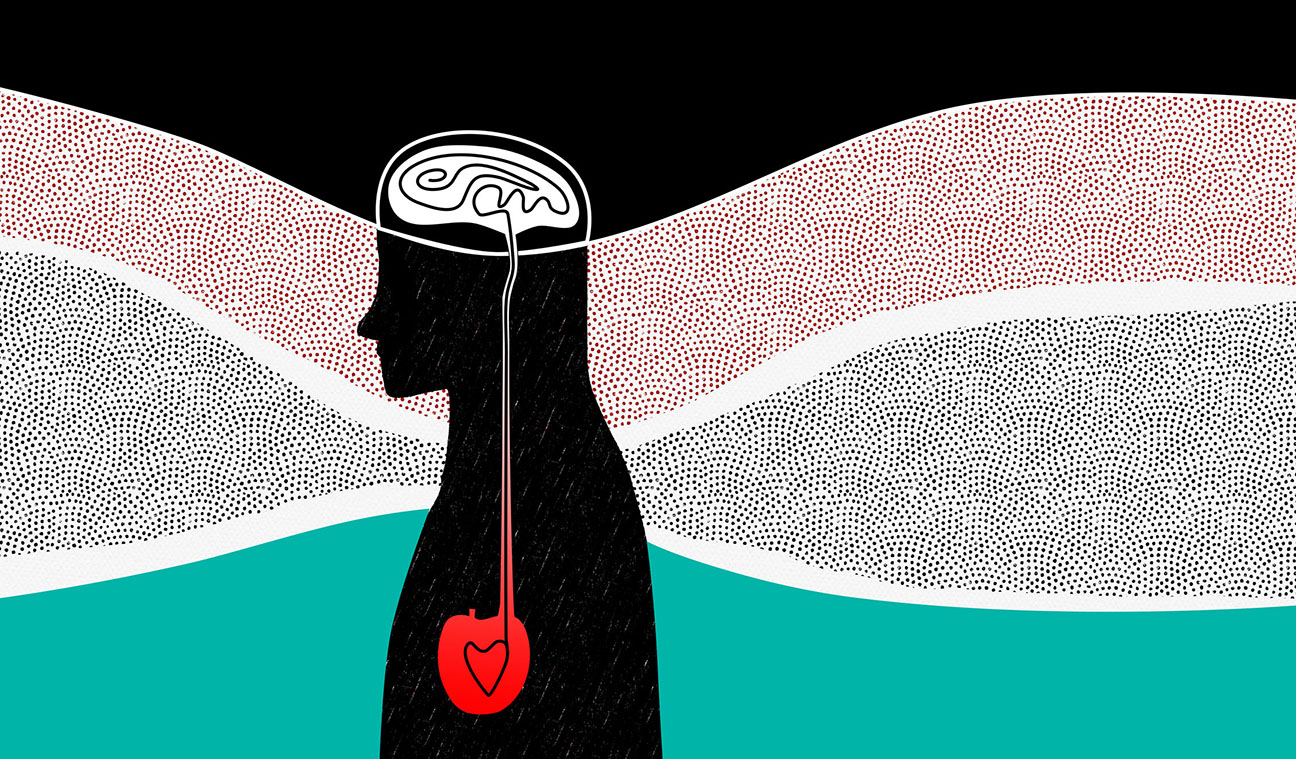
The Antizionist’s Dilemma

It’s not easy being an antizionist these days. Especially if you’re determined to live in accordance with your most important moral imperative: the denigration of the world’s only Jewish state.

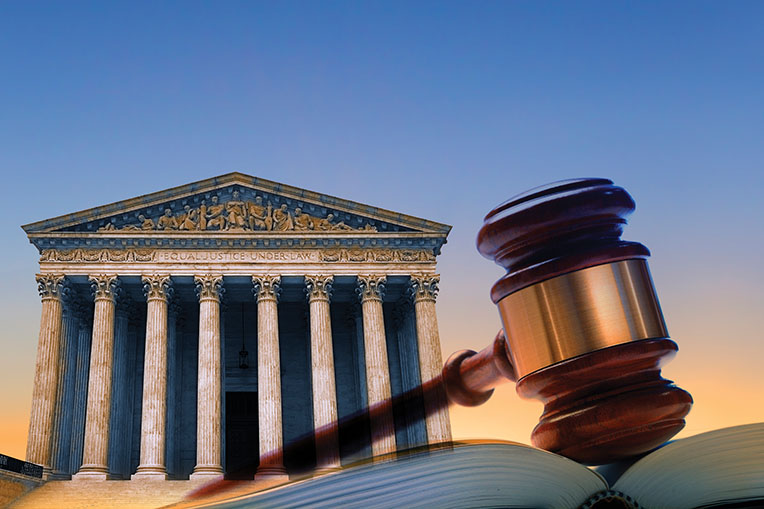
How the Supreme Court Adapted Parshat Shoftim

The Torah offers a better model than avenging and avoiding. It offers a safe opportunity for parties to meet and peacefully explain their perspectives, which might have been misunderstood. They can offer apologies and, where necessary, make amends for harms caused.

Can One Be a Non-Observant Orthodox Jew?

The tradition has always been bigger than any one person’s grip on it. What draws me is simple: I think these texts are a good part of why we are still here as a people. I want to know them and, in my own way, embrace them. Orthodox is where I turn.

Lies, Damned Lies and the Right Side of History

One question alone matters these days: Does this fact strengthen my tribe, or is it bad for it? If bad, it must be suppressed, denied, explained away. The higher truth is the narrative that serves the cause, the quest of the righteous and true.

More news and opinions than at a Shabbat dinner, right in your inbox.