
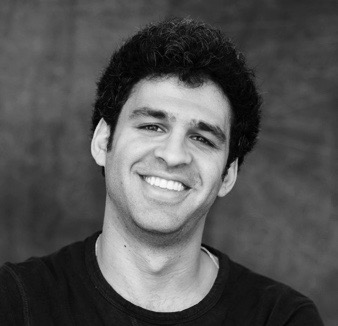

The Reconstructionist movement’s central organization has changed its name to Reconstructing Judaism.
Since 2012, the Philadelphia-based organization has been known as the Reconstructionist Rabbinical College and Jewish Reconstructionist Communities.
The organization’s president, Deborah Waxman, announced the change on Jan. 29.
“Since our founding, the Reconstructionist approach to Judaism has been grounded in expressing Jewish action,” Waxman said. “We think this verb form, rather than an adjective or noun, communicates that more clearly.”
The movement’s rabbinical school, which celebrates its 50th anniversary this year, also has been renamed the College for Reconstructing Judaism.
“We are not imagining with this that people will shift how they refer to themselves,” Waxman said. “This is a rolling out of a new name of the 501(c)(3) [the nonprofit organization] on behalf of Reconstructionist Judaism.”
“The Reconstructionist approach to Judaism has been grounded in expressing Jewish action. We think this verb form … communicates that more clearly.” — Deborah Waxman
The change occurs as the movement prepares to open its first West Coast camp this June, Havaya Arts, at the University of Redlands. It also is planning its first movementwide convention in 10 years for November, while preparing to launch Evolve, an endeavor to engage Reconstructionist thinking on key questions facing the 21st century Jewish community.
“Together in conversation we will tackle the questions that cannot be Googled,” Waxman said.
Seth Rosen, chair of the movement’s board of governors, said during the press conference that movement leaders spent over a year consulting with more than 1,000 Reconstructionist rabbis, educators, staff members and students before the board unanimously approved the name change in October.
Senior Rabbi Amy Bernstein of Kehillat Israel in Pacific Palisades was one of the rabbis consulted before the vote. In an interview, she said active Judaism resonates with young people who express Judaism through social action.
“Younger Jews trend toward ‘doing’ Jewish,” she said. “A lot of what we’re hearing from research is young people don’t have this sense that ‘I am associated with the Jewish people because I am Jewish.’ It’s much more: ‘I’ll associate with the Jewish people and its institutions if it helps me do something in the world I feel is of value.’ You have a lot more focus on social justice, social action.”
The previous name of the central organization was created after the 2012 merger between the rabbinical school and the congregational union. Today, the central organization represents approximately 100 Reconstructionist congregations in the United States and abroad, including nine California synagogues. The two Reconstructionist synagogues in Los Angeles are Kehillat Israel and Malibu Jewish Center and Synagogue (MJCS).
“We think of modern Judaism as dynamic and constantly changing and adapting,” MJCS President Steven Weinberg said. “Moving it into the verb form is consistent with the way we view Judaism.”
Reconstructionist Judaism is the smallest of the four denominations of Judaism. Based on teachings by Rabbi Mordecai Kaplan, the movement has helped lead the way for change on issues including bat mitzvah, patrilineal descent, admitting gay rabbis into the seminary and permitting rabbis to officiate same-sex weddings.

































