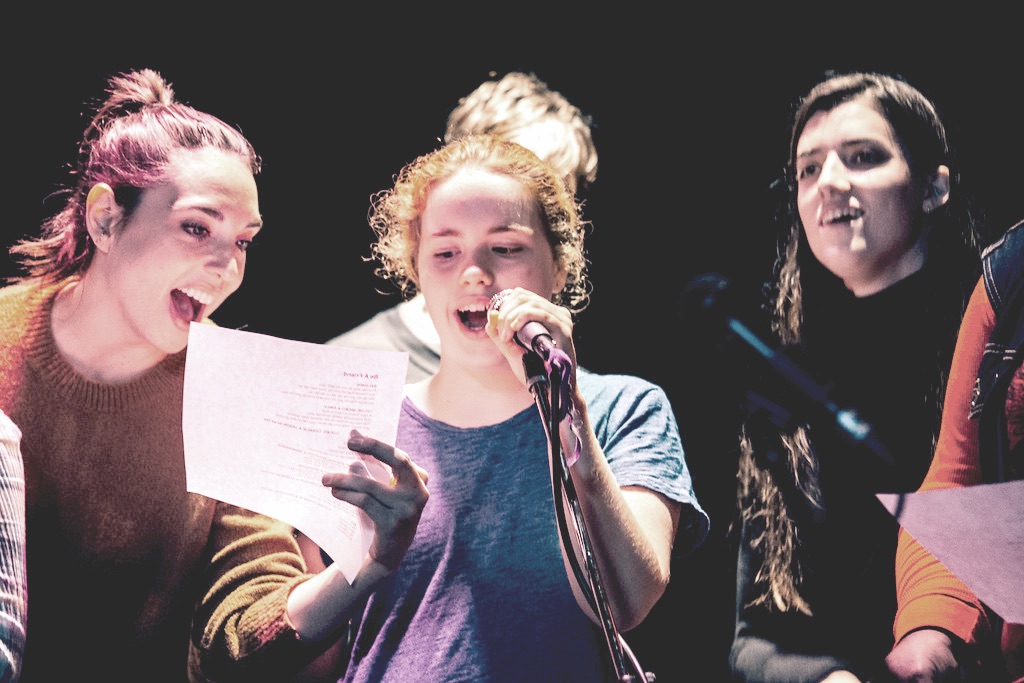
Singing original, improvised music in front of a small crowd would be intimidating for most people. But the dozen or so autistic teens and young adults in Spectrum Laboratory’s Monday afternoon music class, held in a rented room at Leo Baeck Temple, seem to relish their moment in the limelight.
Garth Herberg, one of Spectrum Laboratory’s co-founders and the principal music teacher, helps the students by having them first create what he calls a jam board. Their assignment is to answer the following question on a large white board: What makes you smile and feel good? They file up to the board in small groups and write their responses: “dancing,” “meditation,” “seeing exciting, all new, action adventure movies,” “hotdogs,” “girls,” “traveling.”
Then one by one, they are invited to the microphone. Herberg asks them for their preferred music genre and tempo. Most request pop. Whatever they want,
Herberg, on guitar, and a friend of his, on cello, deliver.
The students sing, while their classmates watch. “I like traveling. I like seeing exciting, all new, action adventure movies.” They move around. They get into it. It doesn’t matter if they repeat themselves or if the lyrics are pedestrian. Everyone is respectful and supportive. One young woman keeps speaking, instead of singing, the lyrics, when it is her turn. Herberg encourages her to sing, again and again. And then she does. When she finishes,
she pumps her fist in the air and cheers, “I did it.”
“So much growth happens in the classes.” — Atticus Couger
It is moments like this, simultaneously big and small, that make clear why Jason Weissbrod, the other half of Spectrum Laboratory, said he and Herberg find so much more fulfillment in this work than they ever did when they were pursuing more traditional industry careers,
Herberg in music and Weissbrod in acting and directing.
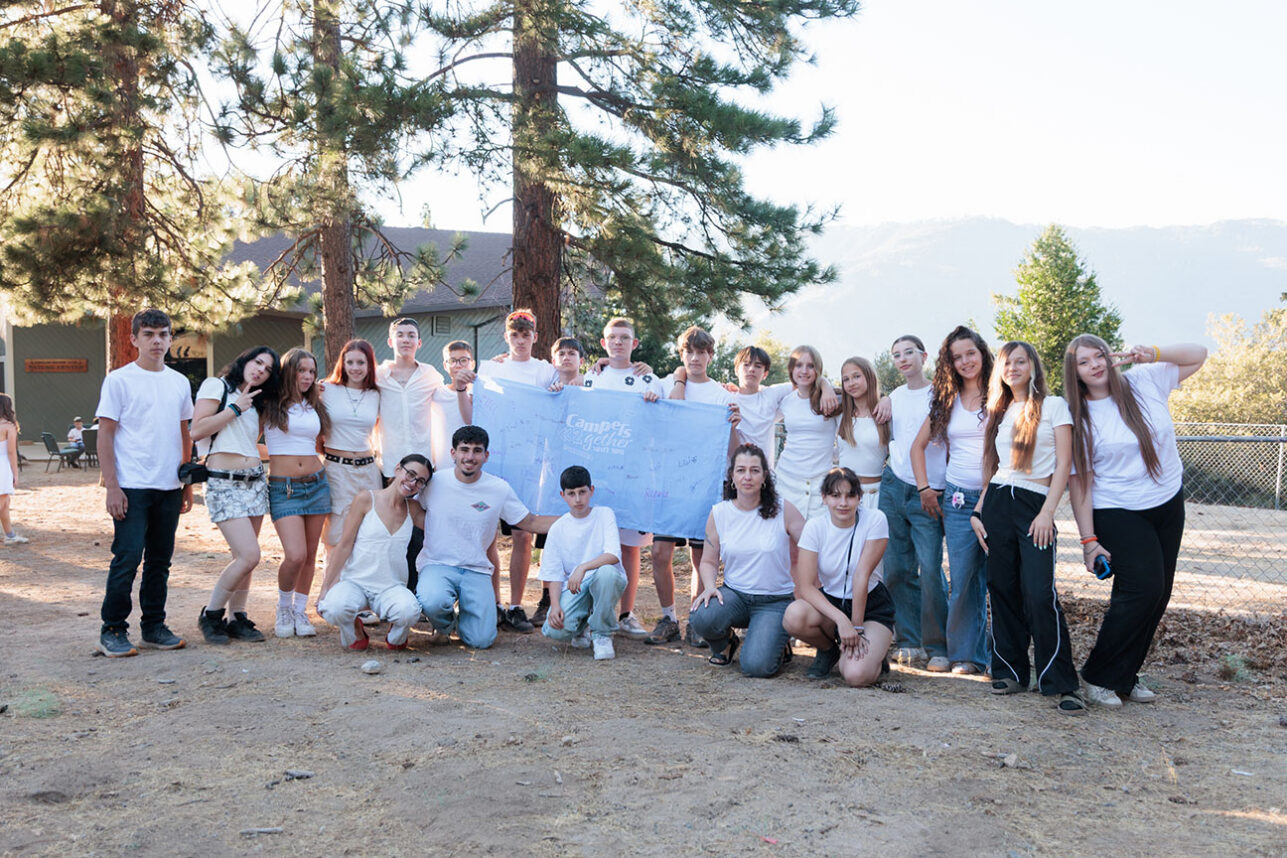
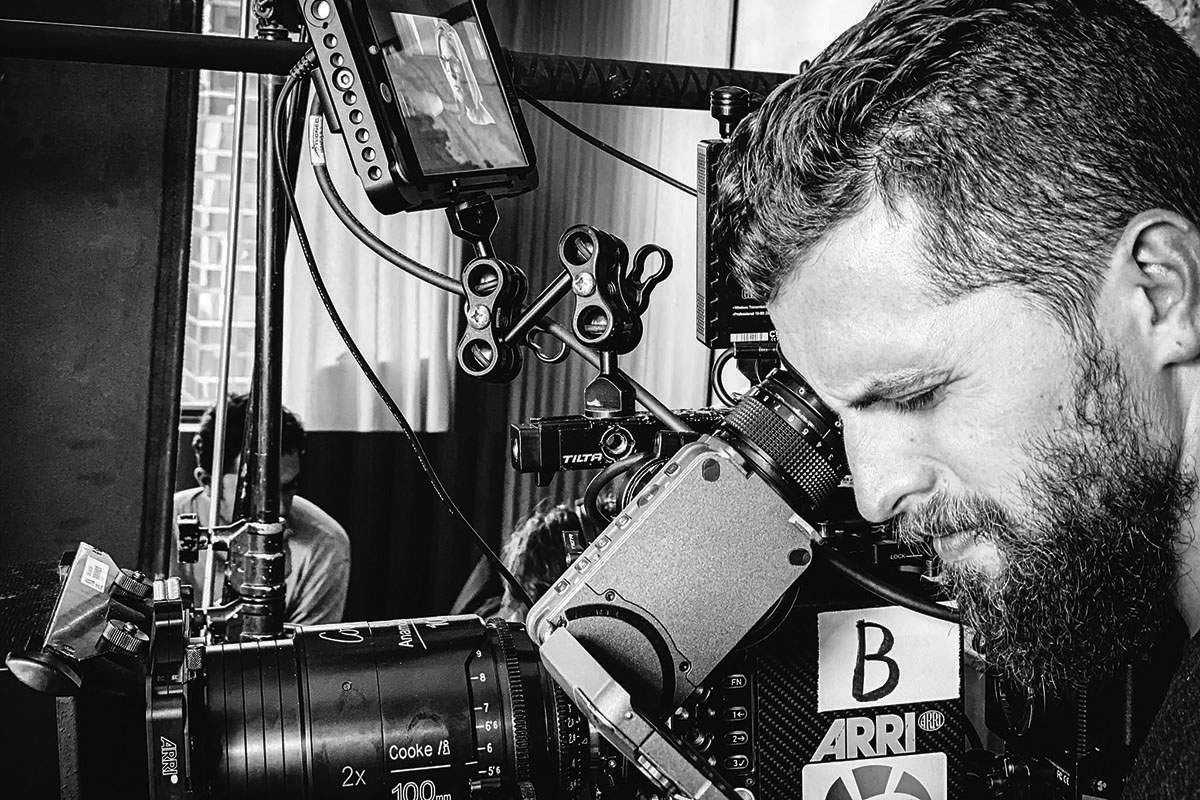
The San Fernando Valley natives, friends since high school, started Spectrum Laboratory in 2015 with a single class for six students. Today, Herberg and Weissbrod, who are Jewish, have upward of 50 students ranging in age from 6 to 37 in their music, animation, film and acting classes. Neither of them has a personal connection to autism. But both had done significant work with autistic kids and teens before launching the nonprofit.
One thing that distinguishes Spectrum Laboratory classes is that in most, students finish with a completed project: an original composition for example, or a short film. These works are showcased at the organization’s annual Spec Fest. (This year’s ticketed event will take place the afternoon of May 19 at the Huffington Center near downtown Los Angeles.) The festival always includes a performance by the Spec Band, a group of autistic players.
The Spec Lab founders, who collaborate with a handful of other entertainment industry professionals who help teach, hope that they can one day do this work full time. For now, Herberg continues to teach music privately to pay the bills. Weissbrod bartends. “Our big picture/dream is to have a fully functioning production facility in Los Angeles where we can employ many of our autistic students to work on projects and have a creative and fulfilling lifestyle,” Weissbrod said.
“What’s really great is that they are able to take kids of different levels of cognitive function, and they all work together,” said Studio City resident Sara Graham-Costain, whose son, Atticus Couger, 18, has taken several Spec Lab classes. “It elevates everyone.”
Couger, whose goal is to become an actor, is equally enthusiastic. “So much growth happens in the classes,” he said. “You can feel it happening within yourself as well as seeing it happen with your peers. Over the course of a year, you’ll see people become way better at improv or following along with a script. It’s just a really fantastic way to learn in a low-pressure environment.”