

Whereas Zephaniah,
great pre-exilic prophet,
accurately predicts destruction of Jerusalem
with the expression
yom Hashem,
which denotes ‘day of the Lord’,
on which all Jews would be imperiled,
the great post-exilic prophet Malachi
provides a different meaning
to these words, applying them
to the day of messianic restoration
of the Jews
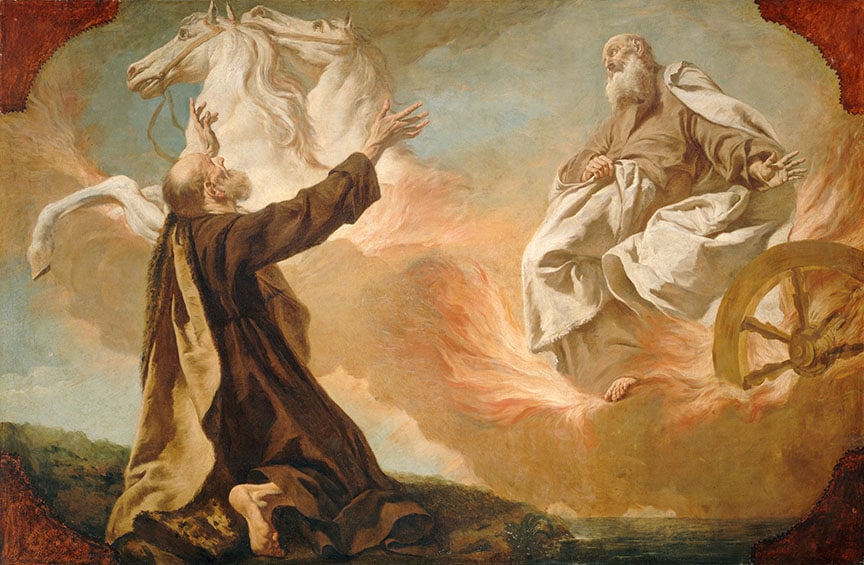
when Elijah would be their prophetic herald.
Whereas the Babylonians
said to all Judeans
whom they’d ordered to build their canals,
“Sing to us all about
Jerusalem which we’ve destroyed,”
that song about Jerusalem
was changed about two and a half
millennia later to the Hallel psalms they sing,
recalling Jews’ recapture of that great redoubt
where Solomon had built a temple,
Hallel: on this day the holy city and the holy temple’s
living epitaph.
Meir Soloveichik, in his Bible 365 series Podcast 190 on 2/18/22, “Zephaniah, Malachi, and the Two Days of the Lord” drew attention to Zephaniah who provides a negative connotation to the term “day of the Lord,” in contrast to Malachi. “Day of Jerusalem” has a negative connotation in Ps. 137: 7, but a positive connotation when celebrated annually, becoming a day on which Jews praise God for the recapture of Jerusalem in the Six Day War. Ps. 137:7 states:
ז זְכֹר יְהוָה, לִבְנֵי אֱדוֹם– אֵת, יוֹם יְרוּשָׁלִָם:
הָאֹמְרִים, עָרוּ עָרוּ– עַד, הַיְסוֹד בָּהּ.
7 Remember, O LORD, against the children of Edom the day of Jerusalem; {N}
who said: ‘Raze it, raze it, even to the foundation thereof.’
Yom Yerushalayim, the Day of Jerusalem, celebrated each year by Jews after the Six Day War, is a fulfillment of the prediction of the reversal of Zephaniah’s prophesy by Malachi in verse 3:23:
כג הִנֵּה אָנֹכִי שֹׁלֵחַ לָכֶם, אֵת אֵלִיָּה הַנָּבִיא–לִפְנֵי, בּוֹא יוֹם יְהוָה, הַגָּדוֹל, וְהַנּוֹרָא. 23 Behold, I will send you Elijah the prophet before the coming of the great and terrible day of the LORD.
Zephaniah had predicted: in 1:14:
יד קָרוֹב יוֹם-יְהוָה הַגָּדוֹל, קָרוֹב וּמַהֵר מְאֹד; קוֹל יוֹם יְהוָה, מַר צֹרֵחַ שָׁם גִּבּוֹר. 14 The great day of the LORD is near, it is near and hasteth greatly, even the voice of the day of the LORD, wherein the mighty man crieth bitterly.
In the last three verses of his book, Zephaniah anticipates Malachi, predicting the restoration of the Jews to their land. Zeph. 3:18-20 states:
יח נוּגֵי מִמּוֹעֵד אָסַפְתִּי, מִמֵּךְ הָיוּ–מַשְׂאֵת עָלֶיהָ, חֶרְפָּה. 18 I will gather them that are far from the appointed season, who are of thee, that hast borne the burden of reproach.
יט הִנְנִי עֹשֶׂה אֶת-כָּל-מְעַנַּיִךְ, בָּעֵת הַהִיא; וְהוֹשַׁעְתִּי אֶת-הַצֹּלֵעָה, וְהַנִּדָּחָה אֲקַבֵּץ, וְשַׂמְתִּים לִתְהִלָּה וּלְשֵׁם, בְּכָל-הָאָרֶץ בָּשְׁתָּם. 19 Behold, at that time I will deal with all them that afflict thee; and I will save her that is lame, and gather her that was driven away; and I will make them to be a praise and a name, whose shame hath been in all the earth.
כ בָּעֵת הַהִיא אָבִיא אֶתְכֶם, וּבָעֵת קַבְּצִי אֶתְכֶם: כִּי-אֶתֵּן אֶתְכֶם לְשֵׁם וְלִתְהִלָּה, בְּכֹל עַמֵּי הָאָרֶץ, בְּשׁוּבִי אֶת-שְׁבוּתֵיכֶם לְעֵינֵיכֶם, אָמַר יְהוָה. {ש} 20 At that time will I bring you in, and at that time will I gather you; for I will make you to be a name and a praise among all the peoples of the earth, when I turn your captivity before your eyes, saith the LORD.
The words , שֹׁאָה וּמְשׁוֹאָה, wasteness and desolation, an allusion the Shoah, are transformed from being a מַשְׂאֵת עָלֶיהָ, חֶרְפָּה, burden of reproach, when God ensures the return of the Jews to the land of Israel: בְּשׁוּבִי אֶת-שְׁבוּתֵיכֶם, when I turn your captivity before your eyes.
Gershon Hepner is a poet who has written over 25,000 poems on subjects ranging from music to literature, politics to Torah. He grew up in England and moved to Los Angeles in 1976. Using his varied interests and experiences, he has authored dozens of papers in medical and academic journals, and authored “Legal Friction: Law, Narrative, and Identity Politics in Biblical Israel.” He can be reached at gershonhepner@gmail.com.

































