A ceremony on the grounds of Auschwitz officially kicked off a multi-year, $150 million conservation project.
The Auschwitz-Birkenau Museum on Wednesday officially opened its Global Conservation Plan, which will take many years of conservation work funded by the Auschwitz-Birkenau Foundation.
Israeli Ambassador to Poland Zvi Rav-Ner during the ceremony called the initiative “a holy mission.” Auschwitz was a “German Nazi death factory,” he said, in which 1.5 million people were killed.
“The memory is important,” Rav-Ner said. “There are many voices on the world which say that Auschwitz didn’t happen and there were no millions of victims.”
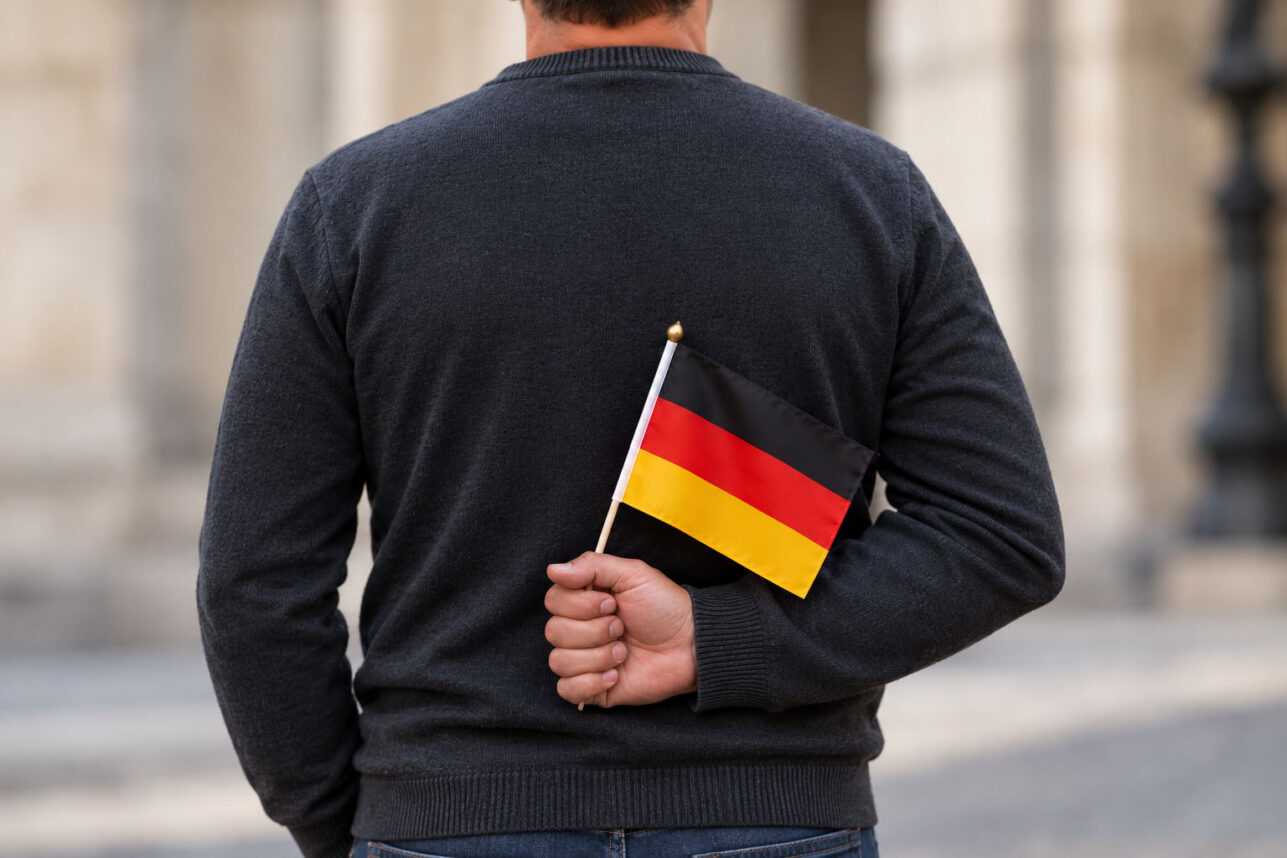
Some 20 countries are supporting the foundation’s project. The highest donations and declarations are $37.7 million from Germany; $15 million from the United States; $12.5 million from Poland; $7.5 million from Austria; $6.3 million from France; $3.3 million from the United Kingdom; and $1 million from of Israel.
The foundation aims to bring in approximately $150 million for the Perpetual Fund. The annual interest of several million dollars will make it possible to plan and carry out the conservation work.
The memorial is nearly 200 hectares of grounds, 155 buildings and 300 ruins, including of the gas chambers and crematoria, as well as more than 100,000 personal items that belonged to the victims. Other items include archival documents and prisoners’ artworks.
The first phase of the project reportedly is to restore the 45 brick barracks at Auschwitz II-Birkenau.