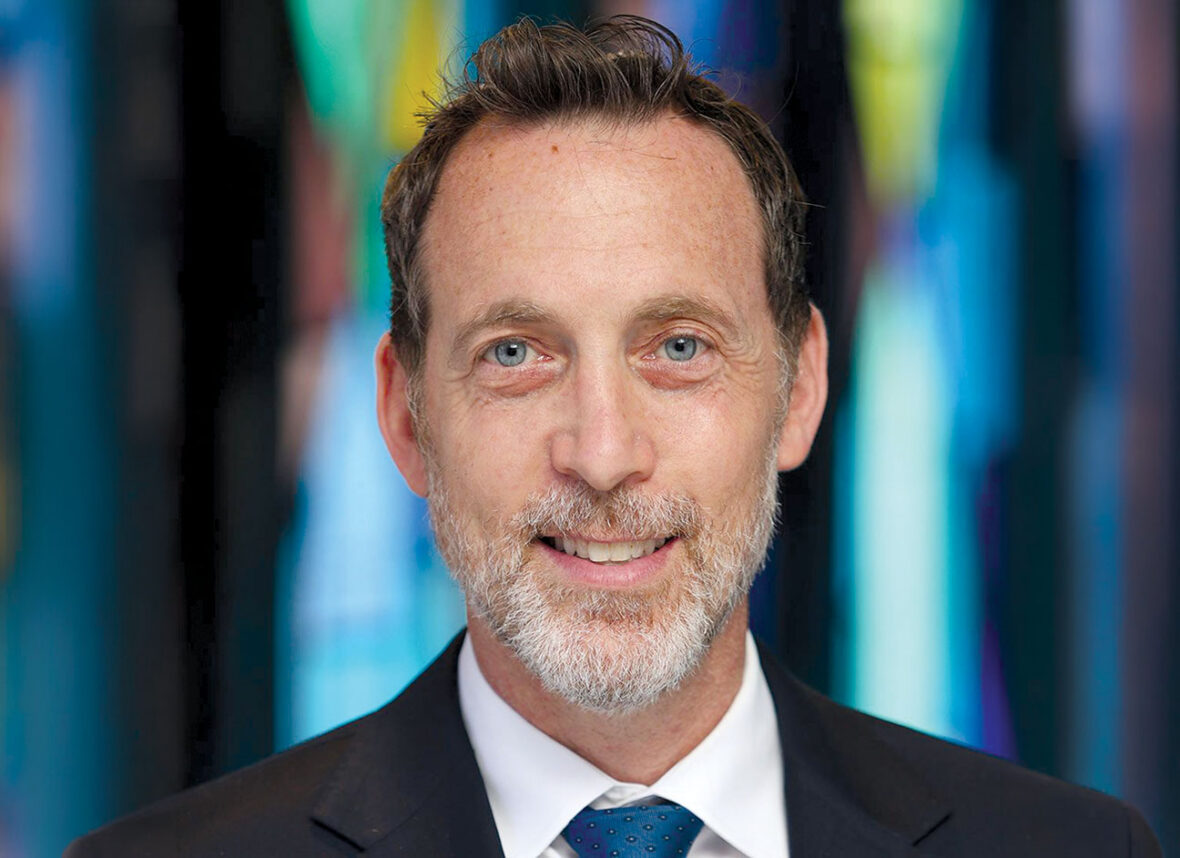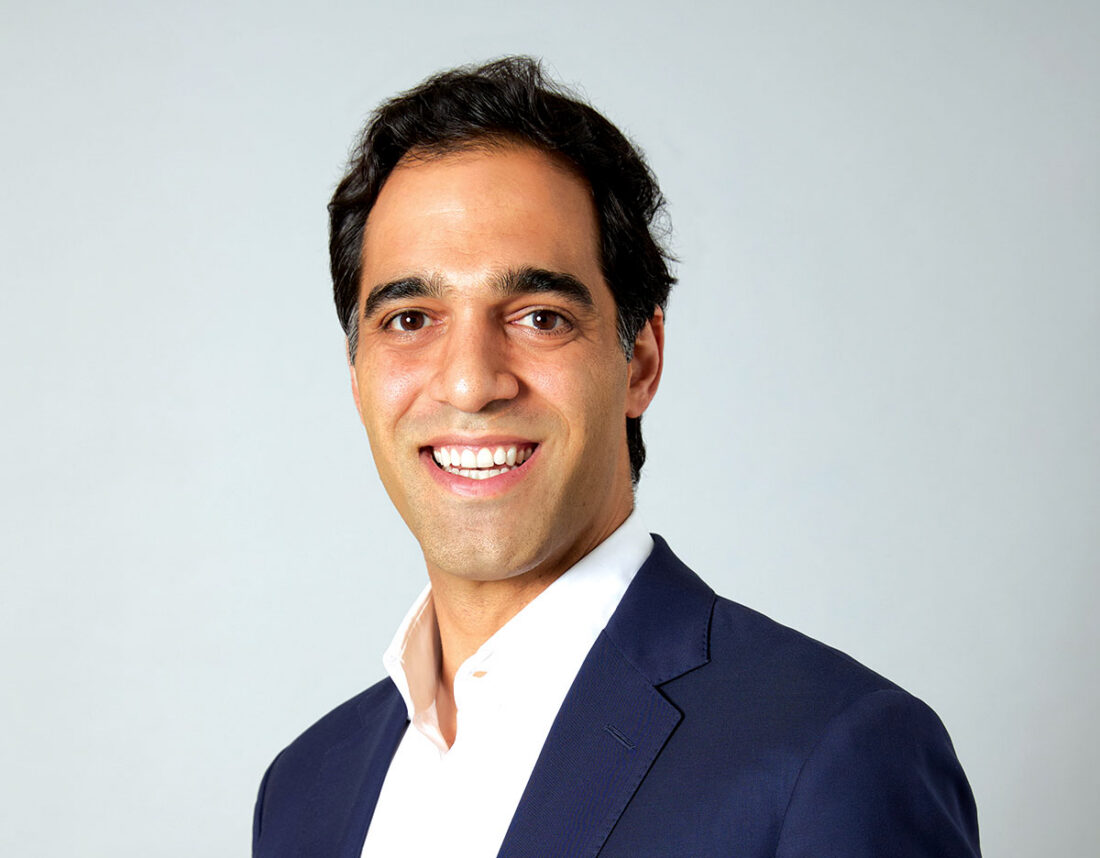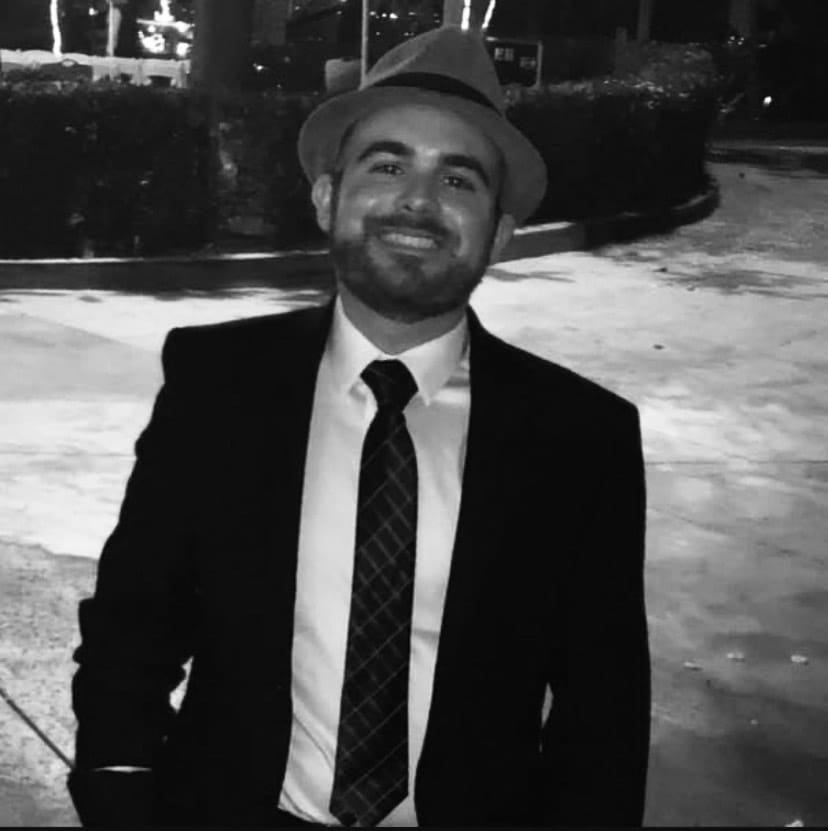
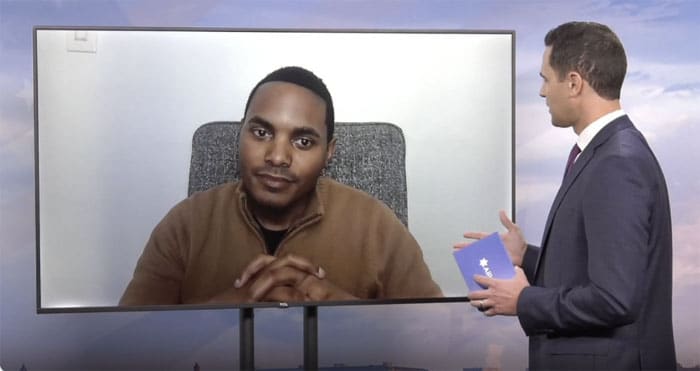
Representative Ritchie Torres (D-NY) and J Street Senior Vice President Dylan Williams sparred on Twitter over President Joe Biden’s efforts to revive the Iran nuclear deal.
Williams tweeted that Torres had told AIPAC that he approaches “the issue not from the perspective of an American, but from the perspective of an Israeli.” “Shouldn’t a US lawmaker approach it from the perspective of US interests?” Williams asked. In a follow-up tweet, he argued that “Israel’s top security experts” believe that the Trump administration should have never left the agreement.
https://twitter.com/dylanotes/status/1511452332290158603?s=20&t=igWF3pf-sjr4L3UfVVBEKg
https://twitter.com/dylanotes/status/1511462297990012931?s=20&t=igWF3pf-sjr4L3UfVVBEKg
Torres replied to Williams by accusing him of “taking what I said out of context and reframing empathy for a US ally as though it were a form of ‘dual loyalty.’” “The fact that I might hold an opinion that differs from yours does not mean I care about America any less than you do,” Torres added. “Your tweet is a cheap shot.”
You are taking what I said out of context and reframing empathy for a US ally as though it were a form of “dual loyalty.”
The fact that I might hold an opinion that differs from yours does not mean I care about America any less than you do.
Your tweet is a cheap shot. https://t.co/wQ0WrEhmid
— Ritchie Torres (@RitchieTorres) April 6, 2022
AIPAC also criticized Williams’ tweet. “J Street is more critical of Torres than of terrorists,” they tweeted. “Democrat @RepRitchie offered a global perspective to a question about a global danger: removing the IRGC [Islamic Revolutionary Guard Corps] from the foreign terrorist list. He rightly opposes delisting a terror group that has killed more than 600 US troops.”
J Street is more critical of Torres than of terrorists.
Democrat @RepRitchie offered a global perspective to a question about a global danger: removing the IRGC from the foreign terrorist list.
He rightly opposes delisting a terror group that has killed more than 600 US troops. https://t.co/PVYm5riN2k
— AIPAC (@AIPAC) April 6, 2022
The spat between Torres, J Street and AIPAC comes as 18 House Democrats expressed concern over the potential new deal at an April 6 press conference, Fox News reported, which included Representatives Elaine Luria (D-VA), Josh Gottheimer (D-NJ) and Juan Vargas (D-CA). Gottheimer expressed concern that “war criminal” Russian President Vladimir Putin would be a “guarantor” for the deal; Vargas said that the Biden administration’s handling of the deal was reminiscent of the Obama administration in that “they keep us in the dark. Then … it turns out there are some fatal flaws. It was a bad deal then, and it was a bad deal now.”
Senator Joe Manchin (D-WV) also expressed skepticism over the deal, telling Jewish Insider on April 6: “I’m very leery of [the talks]. I wasn’t for it before and I can’t see myself changing my position.”
J Street tweeted that it was “deeply disappointing” that the group of Democrats are opposing the Iran deal. “If President Biden’s diplomacy succeeds, it will dramatically reduce Iran’s nuclear activities and put them back under rigid inspections and monitoring – while maintaining key sanctions on Iran’s malign regional activities,” they argued. “Diplomacy will make the US and our allies safer and head off a crisis that could lead us to another disastrous, costly war in the Middle East – a war that the American people certainly do not want.”
If President Biden’s diplomacy succeeds, it will dramatically reduce Iran’s nuclear activities and put them back under rigid inspections and monitoring – while maintaining key sanctions on Iran’s malign regional activities.
5/7— J Street (@jstreetdotorg) April 6, 2022
Diplomacy will make the US and our allies safer and head off a crisis that could lead us to another disastrous, costly war in the Middle East – a war that the American people certainly do not want.
6/7— J Street (@jstreetdotorg) April 6, 2022
Mark Dubowitz, CEO of the Foundation of Defense Democracies think-tank, tweeted that it was “amusing to see Iran echo chamber invoking Israeli security officials” to support the new Iran deal. “These officials think it’s an awful agreement but they want more time to prepare a military strike option,” he added. “I guess Iran echo chamber supports an Israeli military strike.” In separate tweets, Dubowitz wrote that the deal would have sunset clauses eventually lifting restrictions on Iran’s nuclear capability and argued that “most of Iran’s nuke expansion occurred after President Biden’s election and his abandonment of pressure.”
Amusing to see Iran echo chamber invoking Israeli security officials in support of JCPOA minus.
These officials think it’s an awful agreement but they want more time to prepare a military strike option.
I guess Iran echo chamber supports an Israeli military strike.🤷♂️
— Mark Dubowitz (@mdubowitz) April 6, 2022
Perhaps @mitchellreports and other reporters can ask @ChrisMurphyCT about this: pic.twitter.com/djwTeqUhCs
— Mark Dubowitz (@mdubowitz) April 6, 2022
Maybe @ChrisMurphyCT can also explain why most of Iran’s nuke expansion occurred after President Biden’s election and his abandonment of pressure: pic.twitter.com/c1artqZfGP
— Mark Dubowitz (@mdubowitz) April 6, 2022
Secretary of State Antony Blinken told MSNBC’s Andrea Mitchell on April 6 that he is “not overly optimistic at the prospects of actually getting an agreement to conclusion…We’re not there.”
#BREAKING: @SecBlinken tells MSNBC today on the #Iran JCPOA “I would say simply that I’m not overly optimistic at the prospects of actually getting an agreement to conclusion…We’re not there." H/T @jacksonrichman #OOTT pic.twitter.com/vKZCWthH5c
— Jason Brodsky (@JasonMBrodsky) April 6, 2022