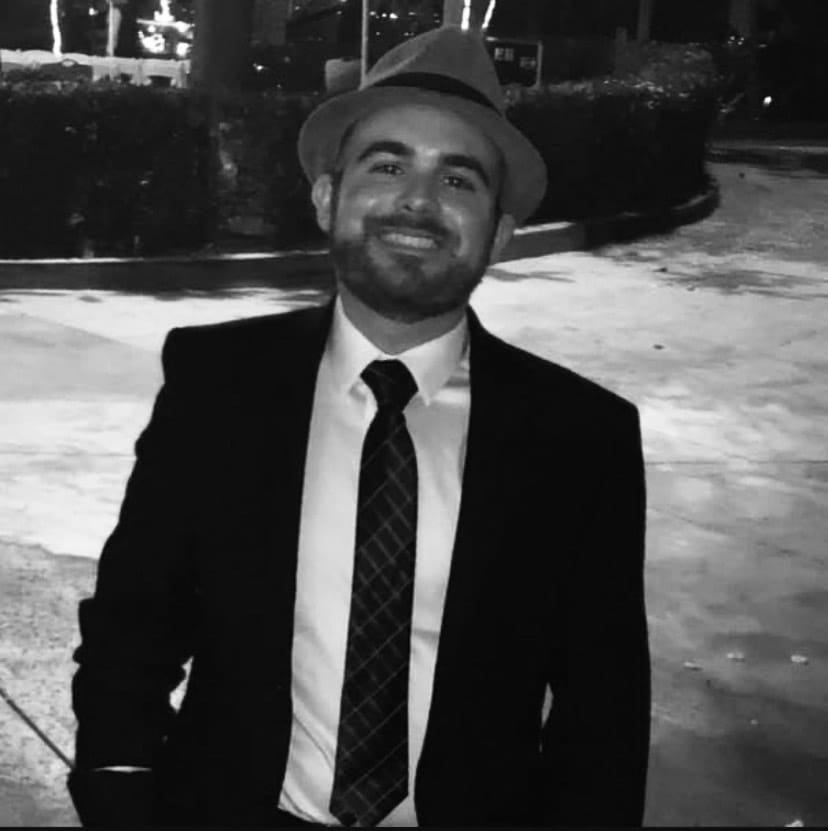

New York Rabbi Avram Mlotek, who claimed in a Facebook post that he was harassed by supporters of Louis Farrakhan on his commute home Thursday evening, is now saying that Facebook has removed his post.
Mlotek wrote in a subsequent Facebook post on Friday that Facebook told him they had taken down the post because it “violates community standards.”
“I’ve asked for their decision to be reviewed but for the time being the post does not appear when you search for it on my wall,” Mlotek wrote. “Hopefully this will be sorted and it will be returned shortly but let’s just say there’s something wrong with the algorithm, Mark Zuckerberg, if Facebook can’t differentiate between hate speech and reporting hate speech.”
As of publication time, the post does not appear on Mlotek’s feed.
Here is a screenshot of the post:
From a Rabbi I hold in the highest regard: pic.twitter.com/Ah2xnrXznG
— Laura E. Adkins (@Laura_E_Adkins) November 1, 2018
Facebook did not immediately respond to the Journal’s request for comment.
UPDATE 1: A spokesperson for Facebook told the Journal in an email, “We mistakenly removed the post and have restored it.” The post still does not appear on Mlotek’s Facebook page.
UPDATE 2: The Facebook spokesperson told the Journal in a follow-up email that she could confirm that the post has been restored but it likely can’t be seen by the Journal due to privacy settings.
“Our team processes millions of reports each week, and sometimes we get things wrong,” the spokesperson said. “The post was mistakenly removed by a member of our review team after we received reports that content on the page violated our Community Standards. As soon as we were notified of the problem, we investigated and restored the post upon determining that they did not violate our Standards.”
UPDATE 3: Mlotek’s original post is now back to being visible on Facebook.