Organizers of the March for Racial Justice in Washington, D.C., are using a Yom Kippur mea culpa as a way to build stronger ties with the Jewish community across the country — including Los Angeles.
The original announcement that the civil rights march through the nation’s capital would take place on Sept. 30, Yom Kippur day, was met with a backlash from Jews who felt the timing excluded them.
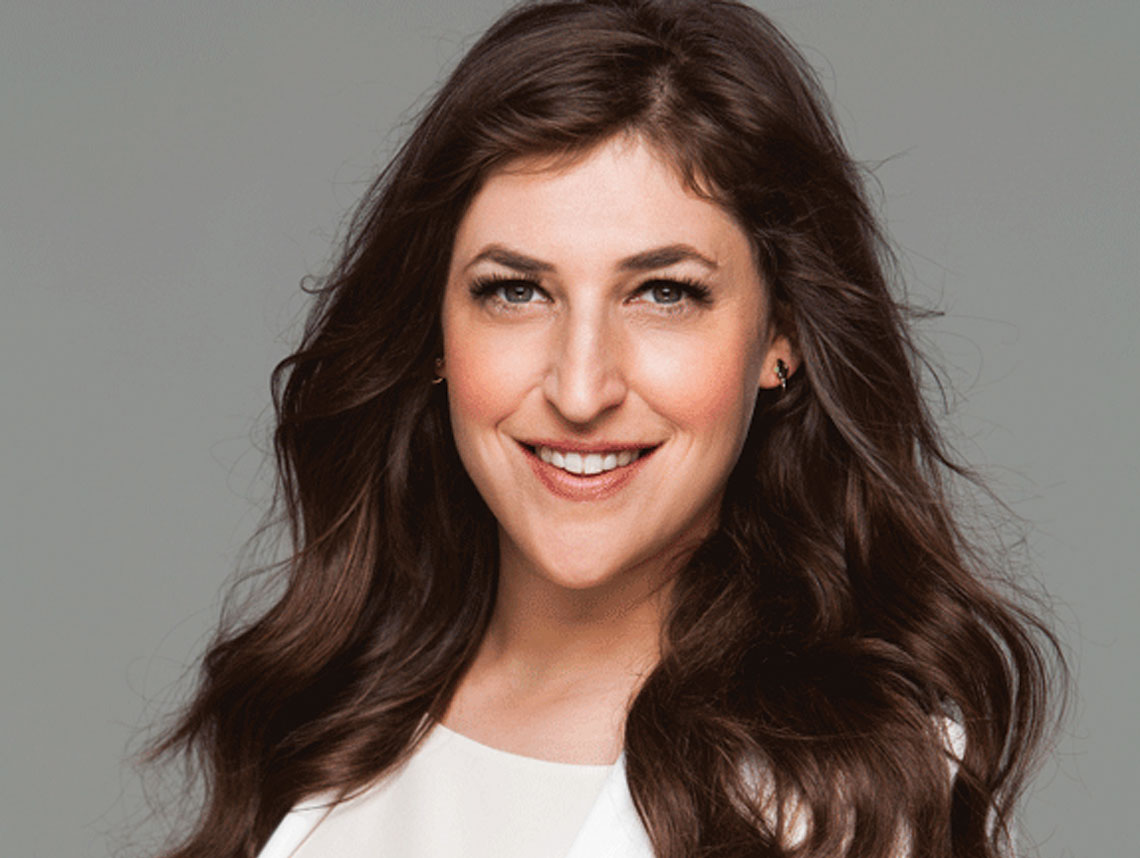
“Anyone else think that’s absurd?” Jewish television star Mayim Bialik (“The Big Bang Theory”) wrote in a Facebook post Aug. 13. “I mean, it automatically excludes a distinct portion of people who historically have stood up for racial equality in enormous ways.”
Following the recent white supremacist march in Charlottesville, Va., the increased interest in civil rights actions brought criticism of the Yom Kippur conflict to a fever pitch, according to March for Racial Justice organizer Dorcas Davis. After speaking with Jewish leaders, including Rabbi Jill Jacobs of T’ruah: The Rabbinic Call for Human Rights, and Rabbi Scott Perlo of the Sixth & I Historic Synagogue in Washington, the organizers issued a statement that apologized for the conflict and promised to accommodate the Jewish community.
“Choosing this date, we now know, was a grave and hurtful oversight on our part,” the organizers wrote in an Aug. 16 statement. “It was unintentional and we are sorry for this pain as well as for the time it has taken for us to respond. Our mistake highlights the need for our communities to form stronger relationships.”
Bialik said she was satisfied by the statement, even though the date of the march will not change.
“They made a very gracious apology and we have to accept that,” she told the Journal on Aug. 17.
However, she added, “It hits close to home when Jews are in any way excluded, deliberately or not deliberately. It’s very painful.”
Davis said the organizers were unaware of the timing or significance of Yom Kippur when they planned the march, which was set for the anniversary of a mass lynching of African Americans in Arkansas. Once they learned about Yom Kippur and its traditions and meaning, they began looking for ways to be inclusive of Jews who would be unable to attend the march, she said.
After sundown on Sept. 30, the organizers will host a break-fast event, she said. Additional marches will be held in several cities on Oct. 1, including New York. The date of the Los Angeles march had not be determined as of Aug. 29.
“The whole reason we came up with the march was because of the pain we’re in,” Davis told the Journal, referring to police shootings such as that of Philando Castile in Minnesota in July 2016. “So to cause that pain, or reopen wounds in that way for people, was not something that we felt good about.”
She said the conversations with Jewish leaders led to a positive result.
“It wasn’t just, ‘Let’s figure this Yom Kippur situation out.’ It was like we found allies — straight-up allies,” she said. “For us as organizers, the feeling was like, Wow, once you do honor someone and say, like, ‘Hey, we messed up and we’re sorry,’ and you come with that humility, it opens doors, because they’re human beings, too.”
Jacobs, a prominent Conservative rabbi and leader in Jewish social justice movements, said she readily accepted the organizers’ apology.
“As a community, we can’t expect that individuals will necessarily understand the significance of Yom Kippur,” she said.
Jacobs said she hopes to use the scheduling conflict and its aftermath as a means to deepen relationships between Jews and other ethnic and racial communities.
“Especially when white supremacists are attacking Jews and people of color and immigrants, we need to stand together, knowing that sometimes we’re going to screw up, sometimes we’re going to offend each other,” Jacobs said. “The most important thing is to keep talking and try to do better.”