When we arrive in heaven, the talmudic sages wondered, what will God ask of us?
This is not really a question about heaven. It is about how we live and how we locate eternity within life.
The philosopher Franz Rosensweig explained that on Yom Kippur, we are offered a look at our lives through the eyes of eternity. From that perspective, what do we amount to? What’s real? What’s important? What matters?
God asks four questions:
\n
• Kavata itim l’Torah? Do you set aside time for learning Torah?
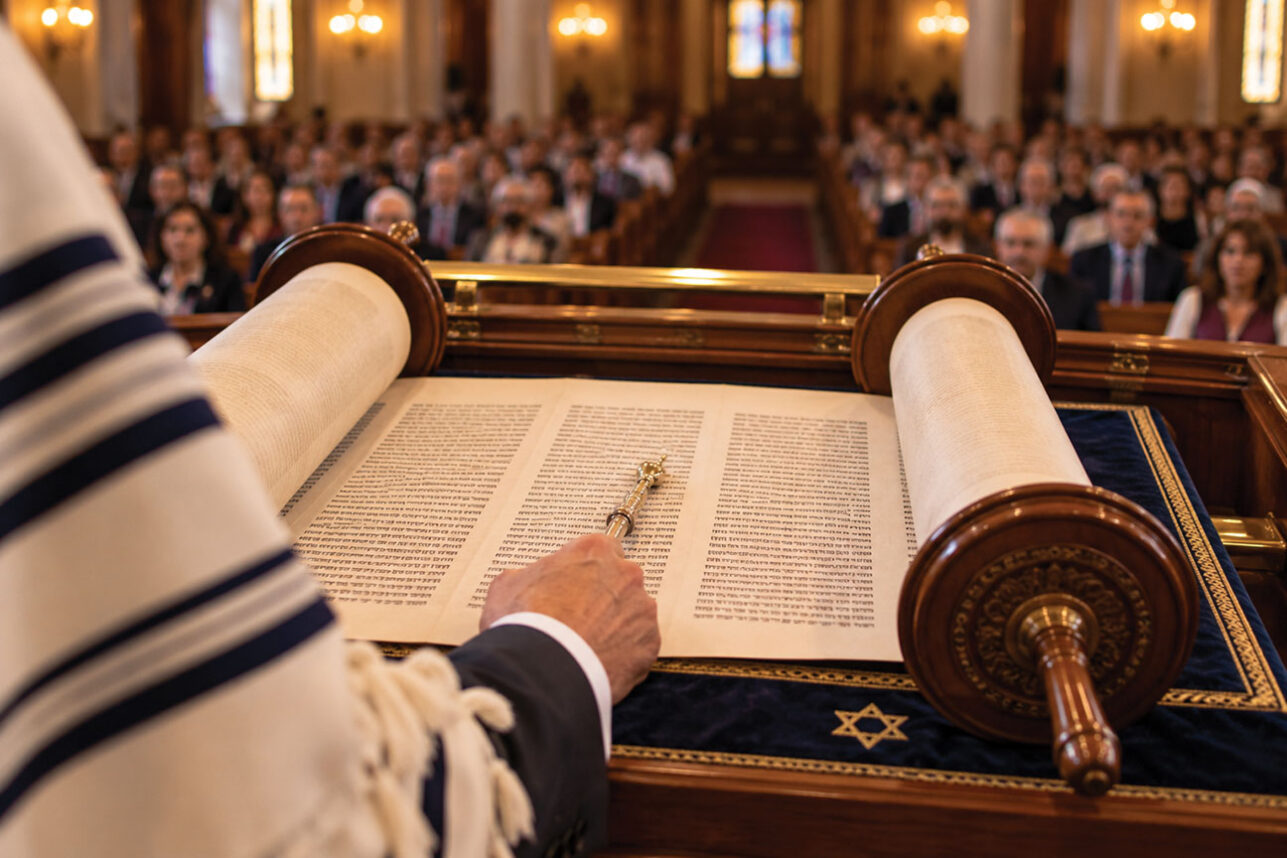
Torah is not only a book, a scroll in the ark. Torah is a process. Torah is the eternal conversation among generations of Jewish thinkers and dreamers — sharing their perceptions of life’s true purpose, of God’s presence, of life’s beauty. When we study Torah, we join the conversation.
In nature, biologist Lewis Thomas writes, there is no such thing as "an ant." It is the same with Jews. Jews come with ancestors and descendants — a community spanning generations.
What binds us together is our shared wisdom, our Torah. To learn Torah is to enter the eternal Jewish conversation. So God asks, Kavata itim L’Torah? Did you find time for Torah?
\n
• Asakta b’priya u’reviah? Do you devote yourself to family?
God is shrewd. God doesn’t ask: Did you learn Torah? God asks: Did you establish a time for study? Did you have control over your time, over your life? And if you didn’t, who did? Where did your time go?
God doesn’t ask: Did you love your family? Did you provide for your children? God asks: asakta, from the Hebrew esek, business: Was family your preoccupation? Did you invest yourself in family?
In family there is immortality. Our children represent our reach into eternity. They carry our names, our values and dreams. But only if we invest our time in them, to teach them and share with them. Did you make time for family?
\n
• Nasaata b’emunah? Do you do business with integrity?
This is the most surprising of the questions. We expect questions about Torah and family. We might also expect a question about charity, about ritual, about supporting the community.
Where is immortality found? In the world of business. Because in my study, in my den, over my breakfast table, in my deepest thoughts, I’m a moral hero. It’s easy to be a moral hero — a tzadik — in theory.
Deep in our hearts, every one of us thinks we’re a good, well-meaning person. The question is what happens in the real world, in the marketplace, in business, in a realm of tough competition, of conflict and its passions?
Nasaata b’emunah? Are you a mensch where it counts? What does business do to us? How many human beings must earn their livelihood at the expense of their own humanity?
How much of us must die in order to make a living? Nasaata B’emunah? Are you faithful to the best in you, even under the worst of circumstances?
\n
• Tzipita l’yeshua? Do you expect redemption? Do you have hope?
Victor Frankel was a Viennese psychiatrist when he was taken to Auschwitz in 1941. As he struggled to survive Nazi slavery, he carefully studied his fellow prisoners.
He writes: "Woe to him who saw no more sense in his life, no aim, no purpose, and therefore no point in carrying on. He was soon lost…. We had to learn that it did not really matter what we expected from life, but rather what life expected from us. We needed to stop asking about the meaning of life, and instead think of ourselves as those who were being questioned by life — daily and hourly."
Hope isn’t given or found or revealed. We choose hope. We choose to grasp and hold the possibilities of tomorrow. Tzipita l’yeshua? Do you choose to live with hope?
Immortality is not found in heaven or beyond the grave. It is in our hearts, in the way we live, in the daily tasks of life.
This holiday, go to synagogue or find a place that’s quiet, and ask yourself God’s questions. This year, may we find the eternity planted within.
This column originally appeared in The Journal on Sept. 10, 1999.
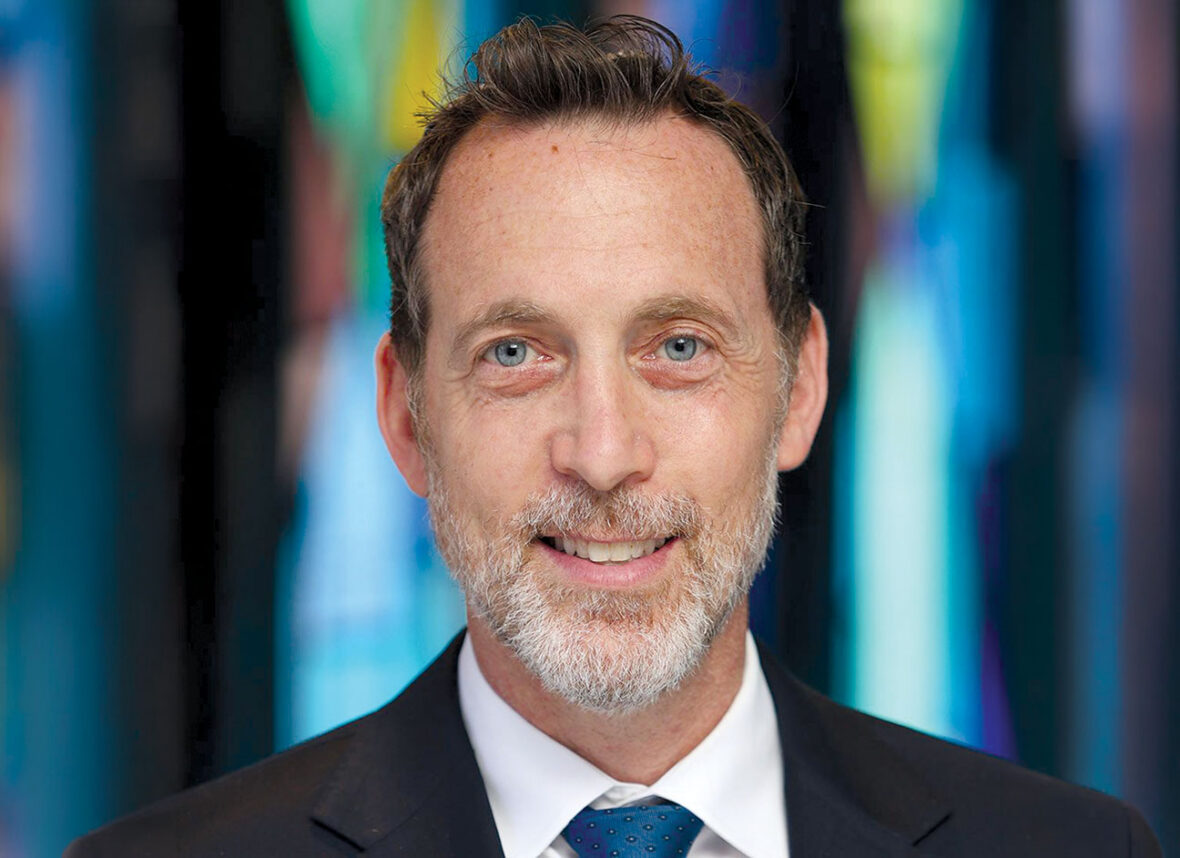
Ed Feinstein is rabbi of Valley Beth Shalom in Encino.