
Last week, our clergy team stood on the corner of Wilshire and Beverly Glen, filming a pre-High Holy Day message for the community. Rabbi Taff blew the shofar. Loud, piercing, emotional blasts that caused the clergy to pause and stare. Not just us. Car by car, drivers rolled down their windows, unable to turn away, some with looks of awe, others with curiosity. One person yelled out, “Shana Tovah!” And as the blasts continued, I wondered if we are truly ready for Rosh Hashana to begin.
How do we prepare for Rosh Hashana? Some people buy a new outfit. Others plan the guest list for Rosh Hashana dinner. Annual traditions fill the coming days. But what if readying ourselves looked a little different?
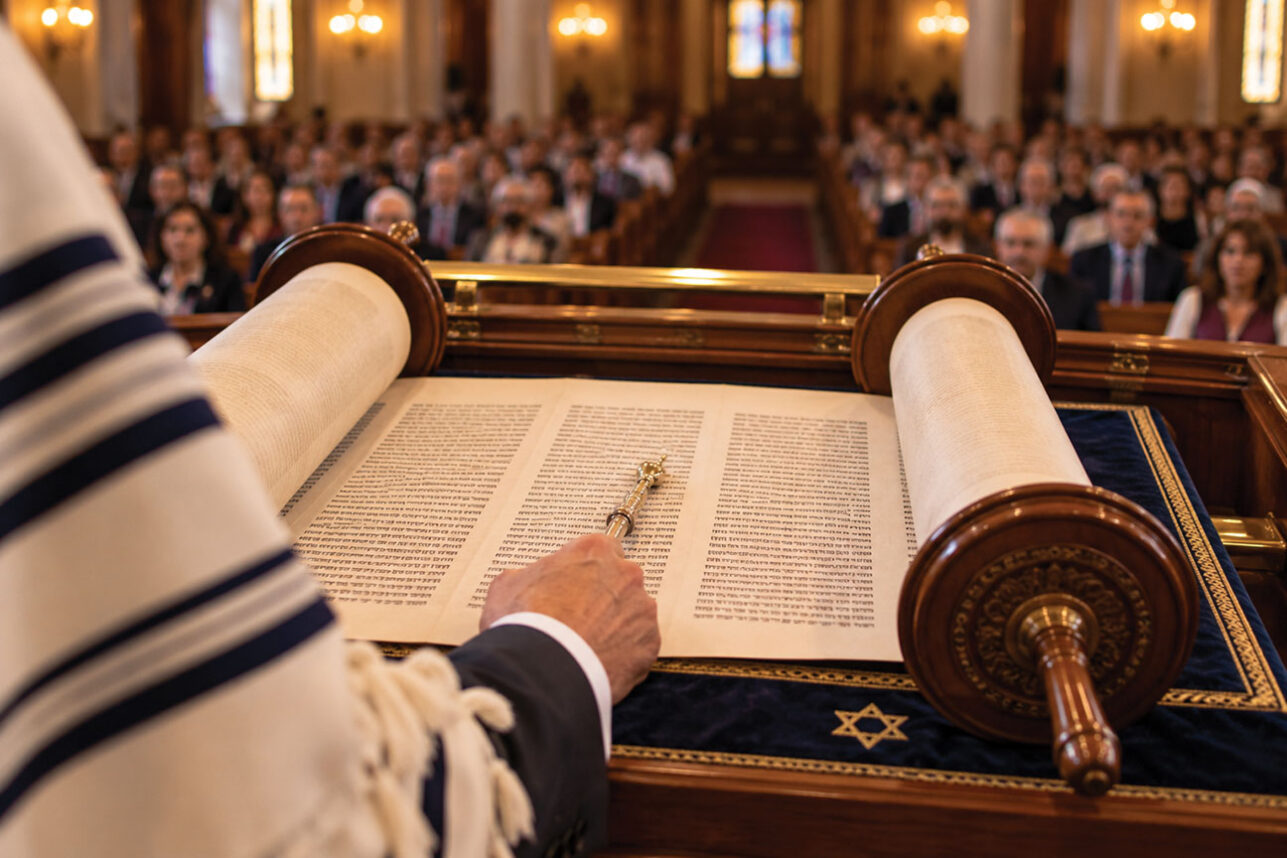
Rabbi Hillel Silverman recounts the following story: The Baal Shem Tov recalled a Jew who would always hurry home after services during the month of Elul. The Baal Shem Tov approached the man, confused. “Why are you in a hurry to get home?” The person replied, “I am rushing home to go look at my mahzor (High Holy Day prayerbook). I need to see if the prayers are in the same order.” The rebbe replied, “Don’t worry about the mahzor. The prayers haven’t changed… but you have. Look at yourself. Make sure that you are in order.”
Are you in order? Think about the priorities written in the life book you are creating. Do you spend more time with your family? Keep that chapter. Are you more anxious about something that doesn’t matter in the long run? Take that paragraph out. Is your life in order?
In other words, is the book of your life one that you are proud to read?
We prepare ourselves when we are willing to vulnerably ask, “What personal act was made this year that I’m not thrilled about? Which change was made this year that I must preserve and protect?” Are our pages in order?
Perhaps the secret to Rosh Hashana is never feeling ready. But being open to the tweaking, mending, repairing, and growing that comes when we reread the pages of our soul might be a first step.
And then, determining, there is much more writing to do.
Shabbat Shalom and Shana Tovah
Rabbi Nicole Guzik is a rabbi at Sinai Temple. She can be reached at her Facebook page at Rabbi Nicole Guzik or on Instagram @rabbiguzik. For more writings, visit Rabbi Guzik’s blog section from Sinai Temple’s website.