In the late ’70s, I carried a beeper when it was my turn to be on call for a rape-victim helpline. One evening I had it clipped to my jacket during a faculty meeting at the community college where I taught. One of my male colleagues saw it and asked, “What’s that?” He addressed me but looked at another male faculty member. He raised an eyebrow and ventured a guess, “The rape squad?” The two men laughed.
In fact, it wasn’t rape victims who would call most frequently. Despite promoting our efforts to support rape victims, the calls we received were from another group of women — a group of which many of us on the helpline were barely aware. The calls came from battered women.
The desperate women called us in hope that those who offered support to one group of vulnerable women might be supportive to another. The call volume shocked us.
The issue of domestic violence was practically invisible at the time. Law enforcement agencies were aware, but many had written policies declining to arrest perpetrators and ignoring calls for help in “family arguments.” There were almost no shelters for battered women in the country, a condition that we now know is suffered by about 25 percent of women during their lifetime.
It would become necessary to go in front of boards of supervisors and city councils (almost exclusively male at the time) to convince them that this was actually a problem. By 1978, the State of California was willing to explore the situation and awarded three pilot grants to create shelters for battered women and their children across the state. We received one of the grants and Project Sanctuary, still in existence, was created.
In this week’s Torah portion, we read about the ordeal of the Sotah, the woman accused of infidelity by her husband, when “a fit of jealousy comes over him and he is wrought up about his wife.” As described in Numbers 5:12–31, the suspected unfaithful woman must submit to drinking a bitter concoction of water and dust to determine her guilt or innocence. It is said that should she be guilty her thigh would sag and her belly would distend (Numbers 5:21).
There is a lot of commentary about “the ordeal of the Sotah.” Some suggest that the concoction would cause abortion, miscarriage or a prolapsed uterus. They trace the ritual’s roots to judicial practices in the ancient Middle East. Maimonides claimed that the fear of this humiliating ritual would have been sufficient to keep a woman faithful.
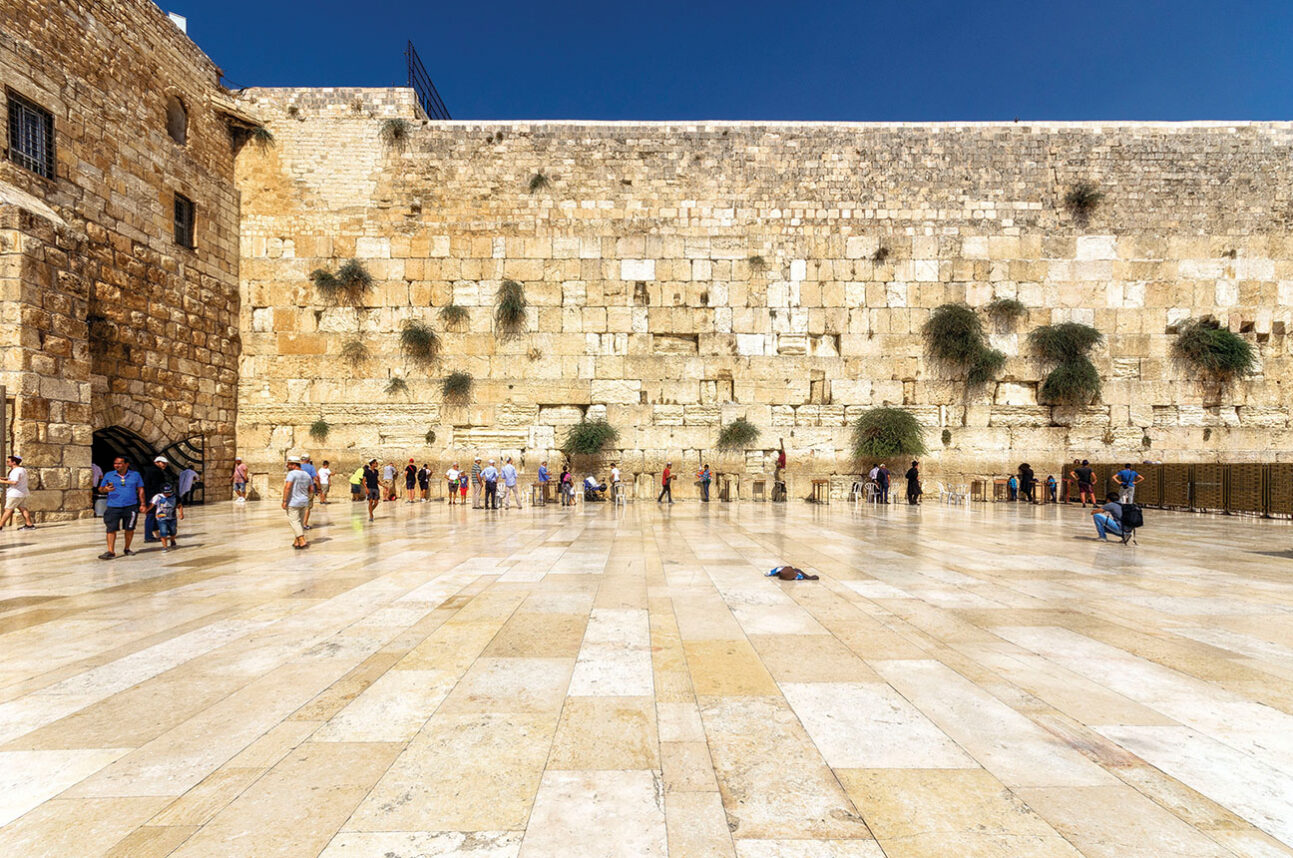
Many from mishnaic times until today challenge the rite’s partiality, targeting only married women, without also punishing the man involved in the infidelity. The ritual came to an end around the time of the destruction of the Temple, when the Sanhedrin rescinded the practice on the premise that the men of that time were no less wicked than the women.
Some modern commentators, including Rabbi Jacob Milgrom and Rabbi Bradley Shavit Artson, see this ritual as a way of protecting women from their husbands, a kind of Project Sanctuary of ancient times, in which they were brought to the priests instead of being abandoned to the wrath of their husbands. I think this perspective is on the right track. But there is one more germane point. The ritual wouldn’t work! I give the priests more credit for kindness than Milgrom and Artson.
While it may have been humiliating and unpleasant to publicly drink such a brew, the effectiveness of drinking a mixture of water and dust in causing the anticipated results are completely unlikely. Is it possible that the so-called ordeal of the wayward woman was actually a collaboration between women, who were frequently wrongly accused, and the priests in order to mollify or even humiliate a jealous husband?
Many of the women who came to Project Sanctuary described irrationally insecure and jealous husbands who would accuse their wives of infidelity with no grounds whatsoever. We heard stories about not being allowed to go to the grocery store without being accused of having an affair with the grocer and bearing the consequence of this unfounded indictment in blackened eyes, broken bones and terrorized women and children. Quite commonly there was a connection between these accusations and alcohol. Women would describe Jekyll-and-Hyde-like transformations that would take place when their men had been drinking.
In the talmudic tractate that discusses the Sotah, the Gemara teaches that “whoever witnesses a suspected woman in her disgrace should withhold himself from wine” (2a). Perhaps the priests and the sages were taking action in ancient days to protect women from the drunken husbands of antiquity. The biblical priests may have known what my colleagues in the 20th century had not yet learned. Violence against women is no laughing matter.
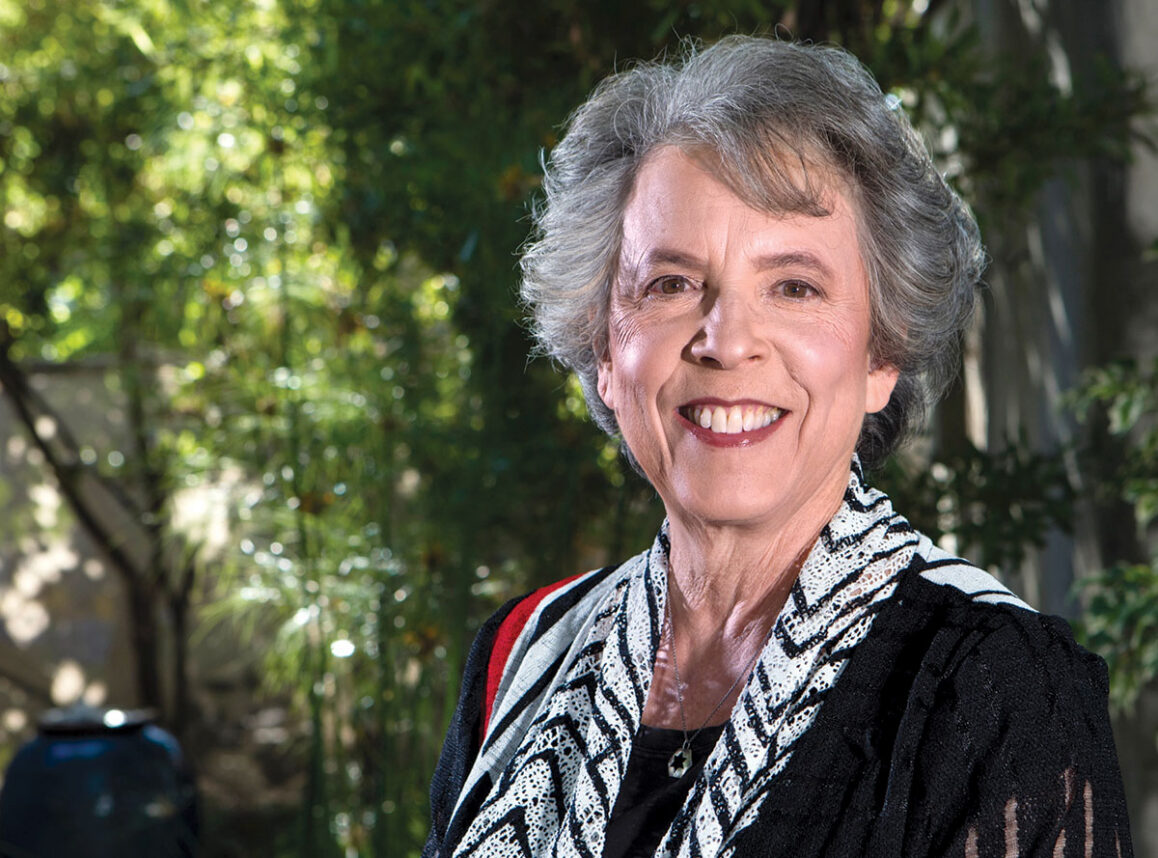
Rabbi Anne Brener, LCSW, is director of spiritual development at The Academy for Jewish Religion, California. She is a bereavement chaplain at Skirball Hospice. She is the author of “Mourning & Mitzvah: Walking the Mourner’s Path” (Jewish Lights, 1993 and 2001) and assists institutions in creating caring communities.