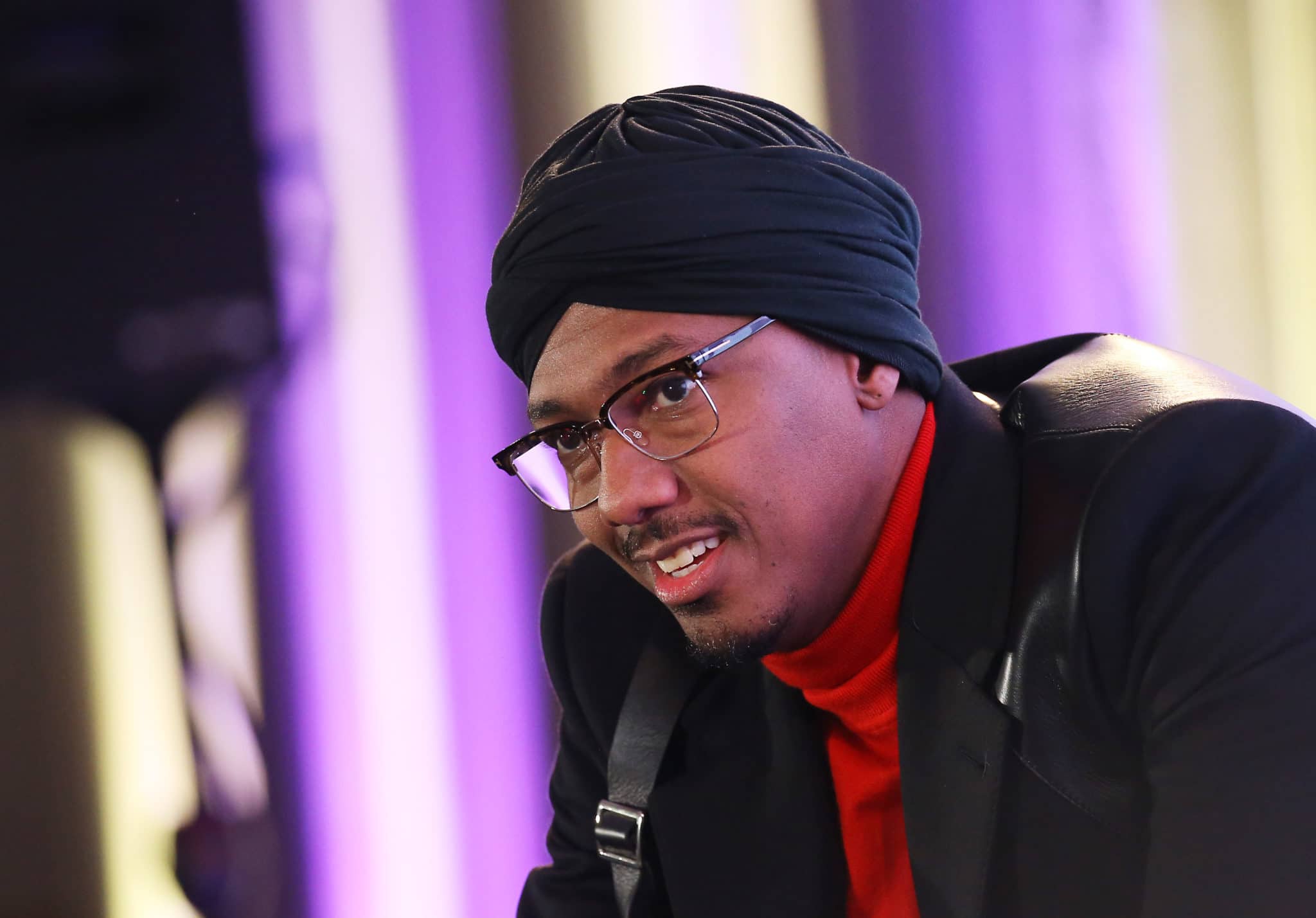
Actor Nick Cannon and Anti-Defamation League (ADL) CEO Jonathan Greenblatt called for unity between the Black and Jewish communities in a joint op-ed in The Forward on Aug. 11.
Cannon and Greenblatt wrote that there has been a rise in hate overall, citing “anti-Black prejudice” in response to the Black Lives Matter movement, a spike in anti-Semitic incidents nationwide in 2019 as well as a rise in anti-Asian incidents since the start of the COVID-19 pandemic.
“Racism isn’t just a problem for Black Americans; it’s my problem as a white Jewish man,” they wrote. “And anti-Semitism isn’t just a problem for American Jews; it’s my problem as a non-Jewish Black man. And yet, today, the Black and Jewish communities don’t always seem to stand together.”
Cannon and Greenblatt noted that the ADL and various other Jewish groups have had long partnerships with civil rights groups like the National Association for the Advancement of Colored People (NAACP) and that Jews marched with civil rights leaders in Selma, Ala., in 1965. However, the relationship between the two communities has eroded over the years because of differing “collective interests” and “loud voices on the fringes.”
“This needs to change,” they wrote. “Now.”
The two men suggested that the best way to do is for individuals to start taking responsibility when advancing stereotypes, even if it’s unintentional.
“It continues by advancing an agenda of learning, so we study and come to understand our respective histories so we can be better allies to each other,” Cannon and Greenblatt wrote. “And it is sustained by accelerating efforts to collaborate, even when it’s uncomfortable, so we can create authentic change that uplifts everyone because we cannot be free until everyone is free.”
They added that the two communities can’t let their differences divide each other.
“When Blacks and Jews fight one another, racists rejoice and bigots celebrate, even as the silent majority among our people mourn, especially the Jews of color caught between two worlds,” Cannon and Greenblatt wrote.
On Aug. 10, Cannon said on an American Jewish Committee (AJC) webinar that he had thought that his 2019 remarks about Zionists and the Rothschilds having too much power and claiming that Blacks are the true Hebrews were simply “factual information.” He said he has since learned that those remarks were actually anti-Semitic tropes and acknowledged that he unintentionally hurt people with those remarks.
“I apologize specifically for the hurtful words because that was never my intention,” Cannon said.
Cannon said that he has since been attempting to atone for those remarks through reading Jewish literature and talking to members of the Jewish community; he also observed the Tisha b’Av holiday and attended a Shabbat dinner.
Cannon also said he would be happy to act as a “conduit” to bring the Black and Jewish communities together.
“Let’s galvanize our positive energy and compassion and use it as a defense against the hate,” Cannon said.
Regarding Nation of Islam leader Louis Farrakhan, who Cannon praised in his 2019 remarks, Cannon said that he had seen Farrakhan “transform the lives of incarcerated individuals” but he could never stand for any of the “hateful” things that Farrakhan has said.
“I can condemn the message but I can never condemn the messenger,” Cannon said, later adding that “we must condemn hate, we must condemn demagoguery and anything that divides us but we are not able to throw away anyone.”
Cannon also said that his great-grandfather was a Spanish rabbi, stating: “I come from a Black and Jewish family on my mother’s side.”