







fbpx

A Jewish state grows in Basel

Basel, Switzerland, could be thought of as the cradle of modern Zionism.
[additional-authors]
February 25, 2015

Basel, Switzerland, could be thought of as the cradle of modern Zionism. It was here that the First Zionist Congress was held in 1897, and the city remains a pilgrimage site for many American and Israeli Jews.

One of the most powerful and attractive locations that still draws visitors is Grand Hotel Les Trois Rois (” target=”_blank”>baleph.ch), an ambitious smartphone and tablet app launched in 2014 for Jewish travelers to Basel. It offers a multimedia walking tour that covers the 800-year history of Jews in the city. 

Although Jews living in Switzerland today coexist relatively peacefully with Christians, it is important to remember that Basel, like other European cities from the Middle Ages to the 19th century, was a place where Jews were subject to second-class-citizen status, vocational restrictions, persecution and pogroms. In 1349, for example, 600 Jews were burned at the stake and the surviving 140 children forcibly baptized.

According to various sources — including my Basel Tourism guide Armgard Sasse, a registered city tour guide well versed in Jewish history and with close ties to the Jewish community — Jews were required to live outside Basel’s city walls and restricted to the money-lending trade. Until recently, one gate leading into the present-day central business district featured a plaque dating to the early 18th century listing entry tolls and warning Jews to be out of the city when a loud curfew bell was rung.  

Relief came to Swiss Jews starting with the Great Council of Helvetia (1798-1799), where some of Switzerland’s most liberal citizens advocated civic equality for the Jews and attacked the ancient prejudices of intolerance. Ambassadors of France, England and the United States insisted that the right of settlement should be granted to all citizens of their respective countries, without distinction of creed. After years of conferences and debates, all restrictions concerning the right of Jews to establish residence were finally abolished in 1866. Eight years later, the nation’s new constitution declared full emancipation.

During World War II, Swiss Jews were protected by the nation’s neutrality, yet a number of government initiatives prevented the entry of Jewish refugees. Its banks also have been accused of working closely with Nazis and of holding assets of Holocaust victims. Under pressure from the international community, Switzerland was forced to confront its behavior during the Holocaust, and one result has been restitution for aging survivors.

Out of all the darkness, there’s light as well in this city. One can visit the Stadt Casino, which still retains its Belle Epoque aesthetic, with light fixtures and artwork still cleaned and maintained by hand. You can also stroll through Israel Park, a grove of 40 trees presented to the city by Israel’s sixth president, Chaim Herzog.

Basel also is the site of Switzerland’s only Jewish Museum (Basel’s neo-Byzantine Great Synagogue was built in 1868 and enlarged in 1892. Its basement houses a kosher fine-dining restaurant. 

Sasse, my guide, is close friends with Joel Weill, the Basel Jewish community’s head of administration, and the three of us had lunch at Topas (” target=”_blank”>kunstmuseumbasel.ch) features several of Marc Chagall’s revered studies of rabbis as well as a moving portrait of his wife, Bella, and an idiosyncratic self-portrait. Just outside the city, the Fondation Beyeler (” target=”_blank”>hilton.ch/basel), located in the middle of Basel, and walking distance from the train stations and trolleys to the city’s central shopping areas and attractions, makes a great tour base for Jewish families, especially with its excellent kosher-food program on request. 

Jewish travelers to the city will find more helpful information from SIG/FSCI, Switzerland’s Jewish Federation (

Did you enjoy this article?
You'll love our roundtable.

Editor's Picks

Latest Articles

A Bisl Torah — All Over Again

Repenting includes examining and admitting our mistakes. Seeking forgiveness. Determining to do better. Being better. Every single day.
Hanging Out at the Jewish American Summit

Among the speakers, Adam Milstein, a real estate investor, philanthropist and co-founder of the fast-growing Impact Forum, urged attendees to frame antisemitism as an American issue and not just a Jewish issue.
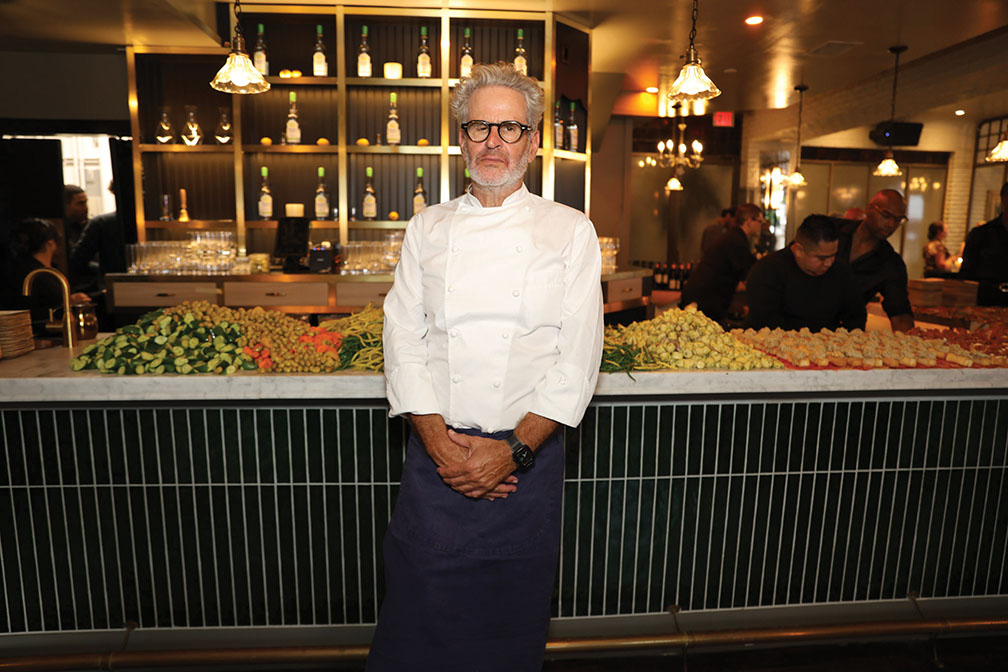
A Festive French Roast

One of my favorite things to cook for the Jewish holidays is a beautiful French roast. It’s so very festive and is perfect to feed a hungry crowd.
The Genius of the Marx Brothers

Like the greatest satirists, such as Jonathan Swift and Mark Twain, they chose comedy over accusation to mock the folly of society and add levity to dark times. But their aim was not levity alone.
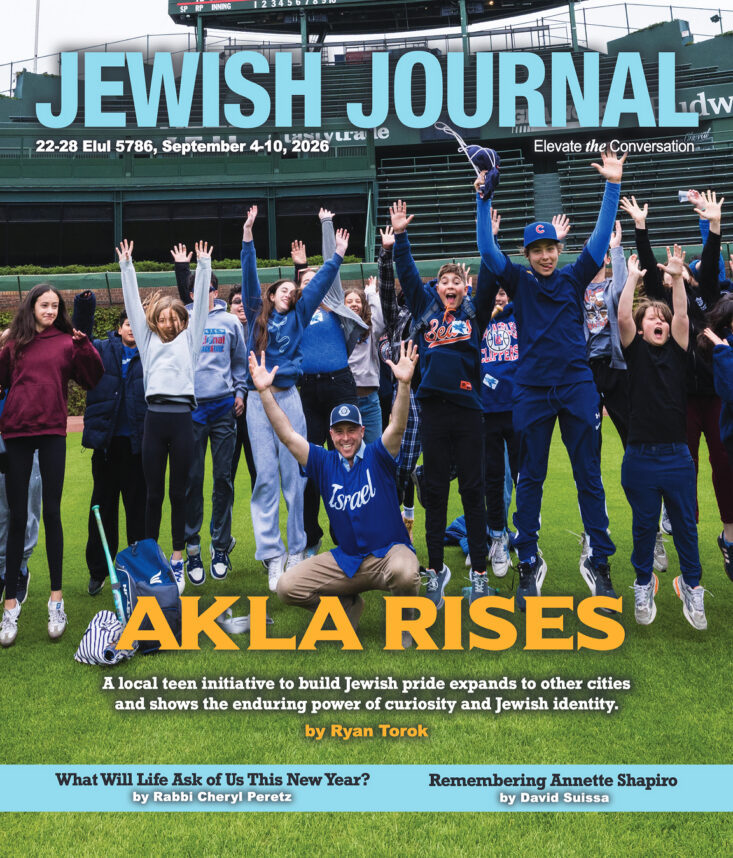
AKLA Rises

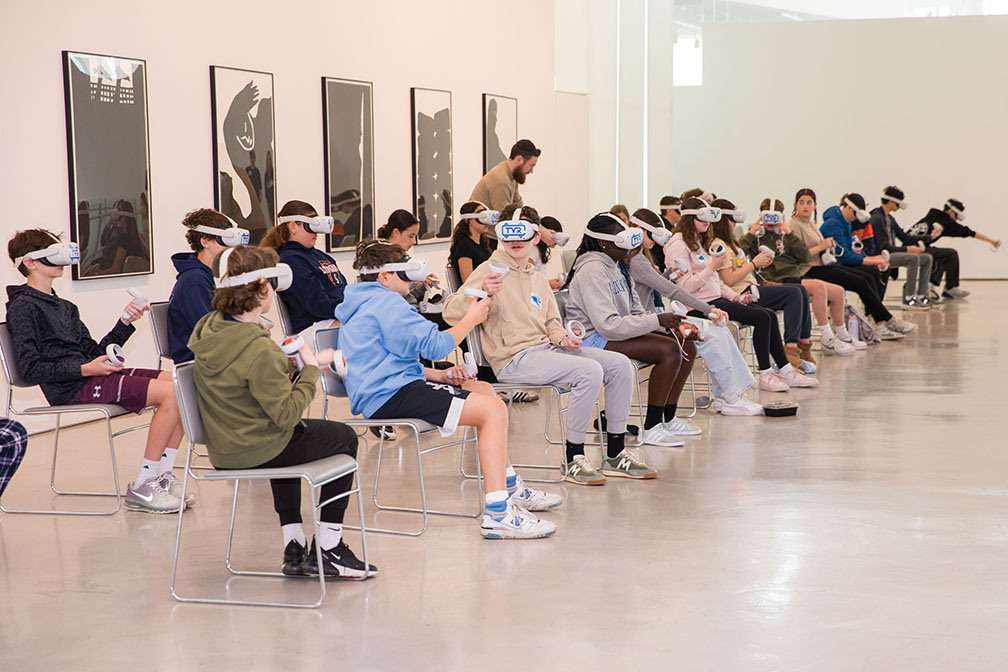
From a Local Experiment to a National Program: AKLA Expands Its Vision for Jewish Teens

Better Kisser Than a Cook

Sometimes love arrives ahead of you, in spite of you. Cooking slowly became a way of being there for the people I love. A wordless language that says: I see you. I hear you. You’re worth the onion-chopping.

Israel’s Brain-Drain Debate Is Asking the Wrong Question

If an experienced professional with rare expertise leaves Israel, the impact cannot be understood simply by adding another person to a brain-drain statistic. The more relevant question is how many people with comparable experience remain, how essential that expertise is and how easily it can be rebuilt.

More news and opinions than at a Shabbat dinner, right in your inbox.